
Product Short Description
Product Overview
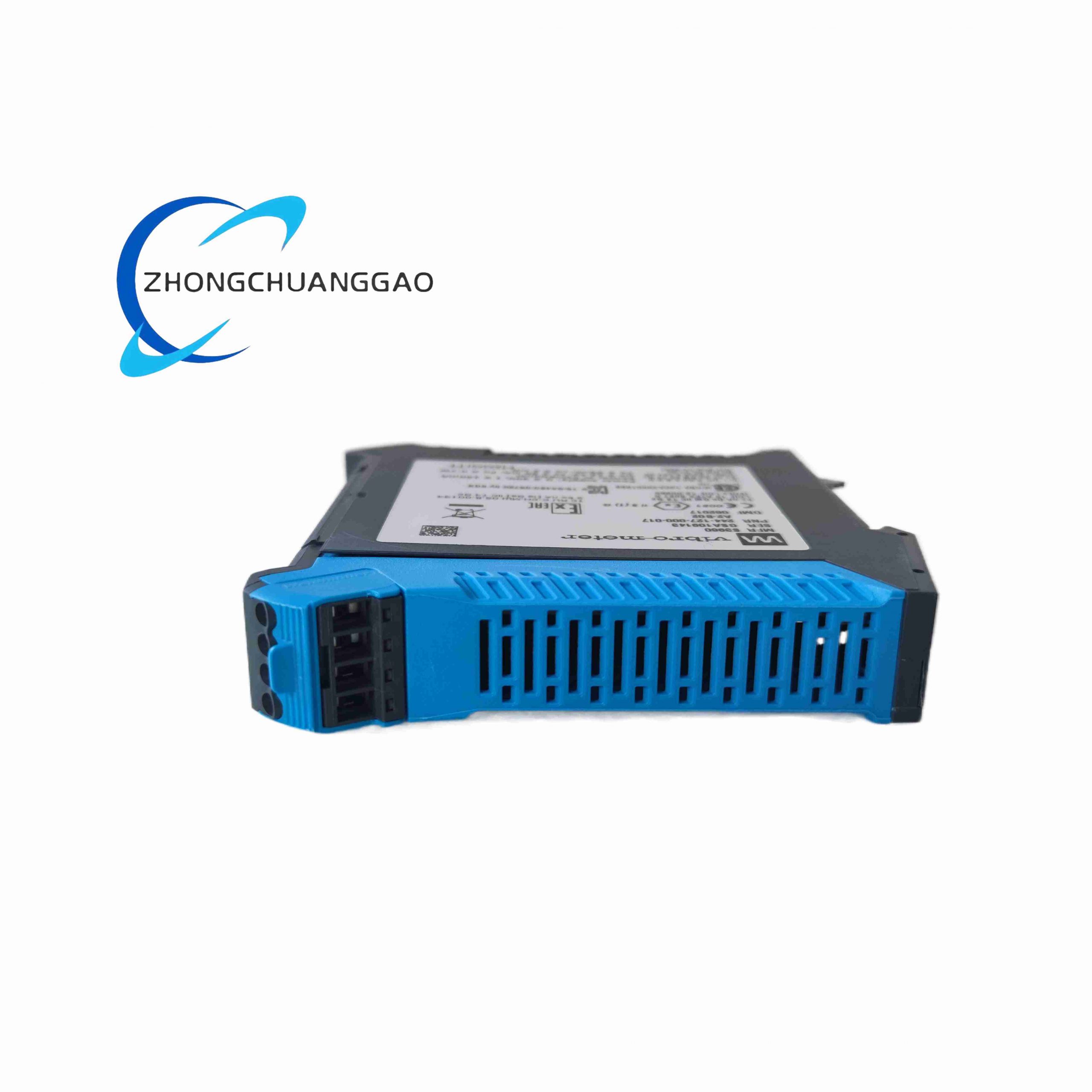
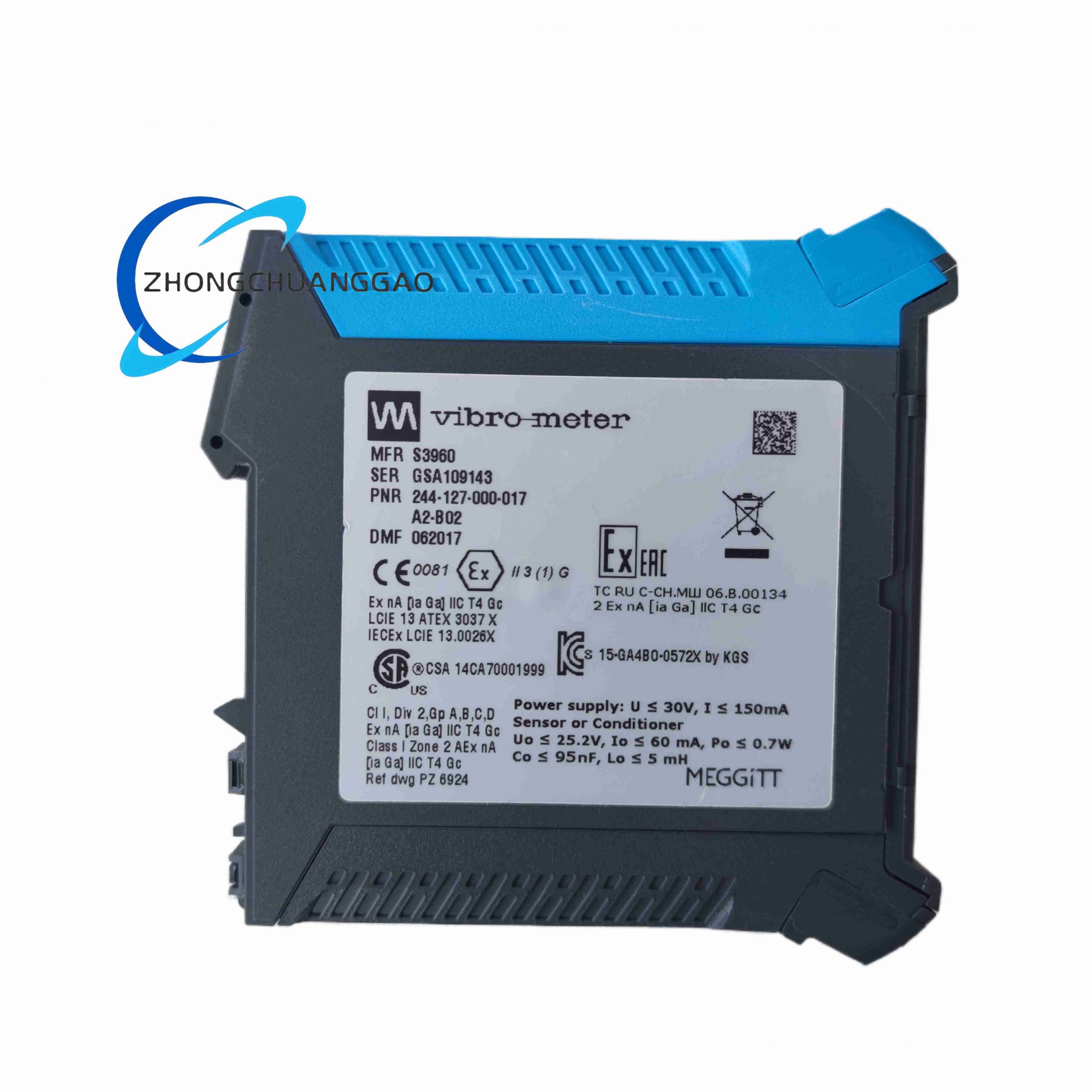
GSI127 is a high-isolation galvanic separation signal conditioner manufactured by Swiss Meggitt Vibro-Meter, designed for vibration monitoring measurement chains in turbines, compressors, and heavy rotating machinery. The model suffix A2 denotes standard industrial environmental grade; B02 defines fixed 7V/12mA transfer function matching CExxx piezoelectric accelerometer current output sensors.
Description
Core Technical Specifications
- Isolation Performance: 4kV RMS galvanic isolation between sensor side and monitoring system side; 50V RMS isolation between power supply and signal output
- Transfer Function (B02): 12mA sensor input current converts to 7VDC linear output voltage
- Power Input: 18–30VDC industrial auxiliary power; consumption ≤120mA under full sensor load
- Signal Compatibility: Fully compatible with Vibro-Meter CExxx IEPE accelerometers, IPC707 charge amplifiers, TQ9xx proximity probes
- Output Drive Capacity: Max 10kΩ load resistance; short-circuit protected output circuit
- Environmental Spec: Operating temperature -40°C ~ +85°C; humidity 5–95% non-condensing
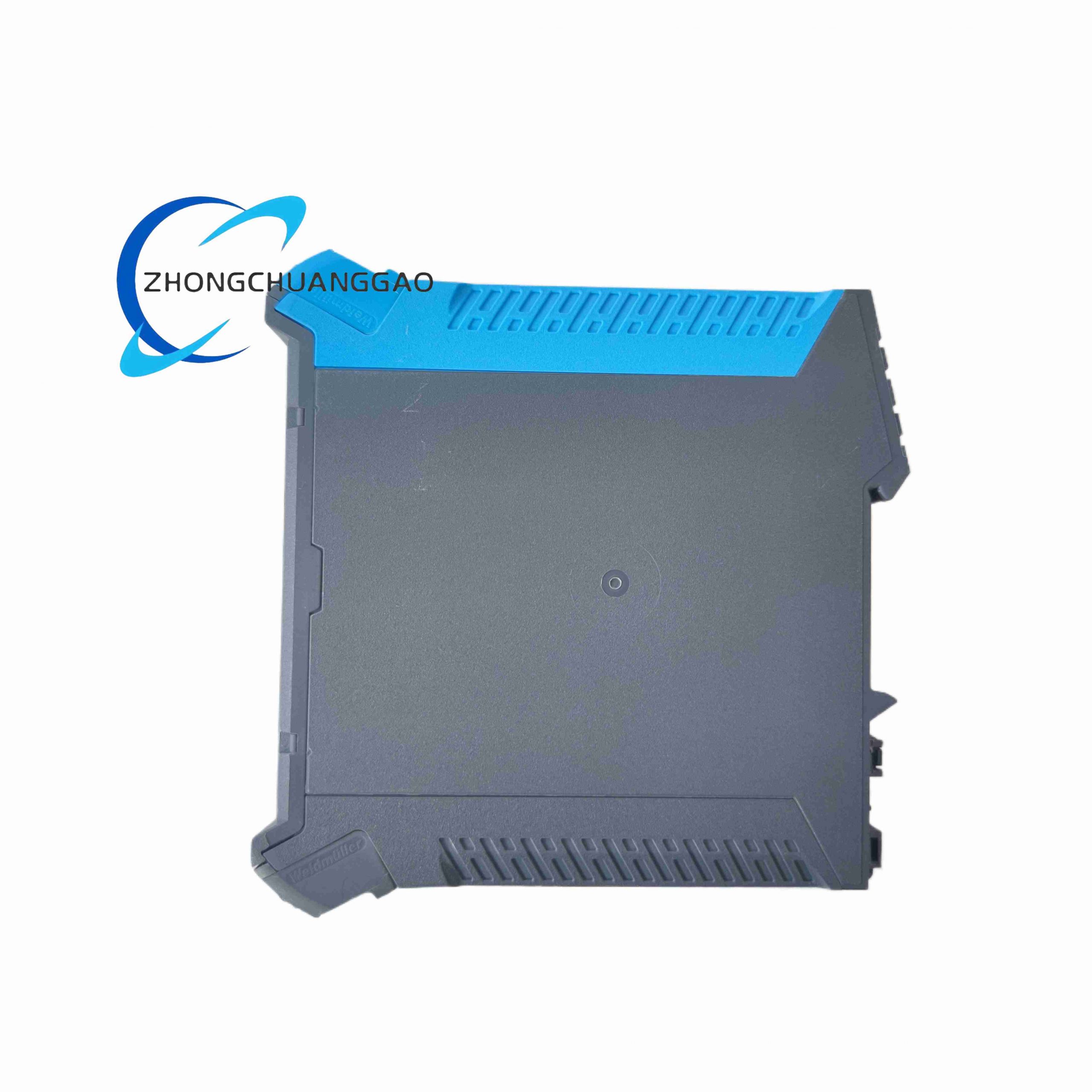
- Mounting Form: Standard 35mm DIN rail mount; removable screw terminal blocks for wiring
- Physical Data: 110mm(W) × 75mm(H) × 32mm(D); net weight 120g
Function Features
- Ultra-high electrical isolation eliminates ground loop noise that distorts low-amplitude vibration measurement signals
- Built-in transient surge protection suppresses high-voltage spikes from motor switching and lightning grid interference
- Fixed linear transfer function for direct conversion of sensor current output to standard voltage monitoring signal
- Passive signal amplification without external power booster for long-distance sensor cable transmission (up to 800m)
- SIL safety certification eligible for turbine safety critical vibration protection loops
- Plug-and-play modular design for quick replacement without reconfiguring vibration monitoring system parameters
- Wide temperature tolerance for outdoor fan, hydro turbine, and offshore rotating equipment monitoring cabinets
Working Principle
- Low-level current vibration signal from piezoelectric accelerometer enters the sensor-side isolated input cavity
- Internal high-frequency transformer galvanically decouples sensor circuit and monitoring side circuit to break ground potential difference loops
- Precision op-amp circuit executes fixed 12mA → 7V linear signal scaling per B02 transfer function coding
- Isolated output voltage signal transmits to central vibration monitoring rack or PLC analog input module
- Internal TVS transient diodes clamp overvoltage surges to protect sensitive measurement electronics from burnout
- Isolated auxiliary power supply channel provides stable excitation current to remote IEPE vibration sensors
Material & Structural Characteristics
- DIN Rail Enclosure: Black flame-retardant PA66 plastic with anti-static surface treatment
- Isolation Transformer Core: High-permeability ferrite core wrapped with 4kV reinforced insulation film
- Terminal Blocks: Nickel-plated copper screw terminals with spring wire retention for vibration resistance
- Circuit PCB: Double-sided high-isolation FR4 board with separated sensor, power, and output signal zones
- Internal Potting: Non-conductive silicone potting compound filling to resist condensation and mechanical shock
Installation Requirements
- Mount horizontally on DIN rail inside vibration monitoring cabinet; maintain 10mm clearance between adjacent isolation units
- Sensor-side cable uses shielded twisted pair; shield grounded only at GSI127 input terminal (single-end grounding rule)
- Separate sensor signal cables from high-voltage motor power cables by minimum 30cm distance
- Auxiliary 24VDC power wiring fitted with 0.5A fast-blow fuse for circuit overload protection
- Connect unit protective earth lug to cabinet low-impedance grounding bar
Usage Precautions
- Do not mix A-series and Ex-series GSI127 units in the same measurement chain without cross-verifying transfer function coding
- Avoid installation near high-current contactors, inverters, or large transformers generating strong electromagnetic fields
- Visually inspect silicone potting monthly for cracking if deployed in severe vibration turbine enclosures
- Never apply input signal current exceeding 15mA to prevent internal op-amp saturation and signal distortion
- Replace unit if output signal offset drifts more than ±0.5V full scale after zero calibration
-500x500.jpg)
Reviews
There are no reviews yet.