
Product Short Description
Product Introduction
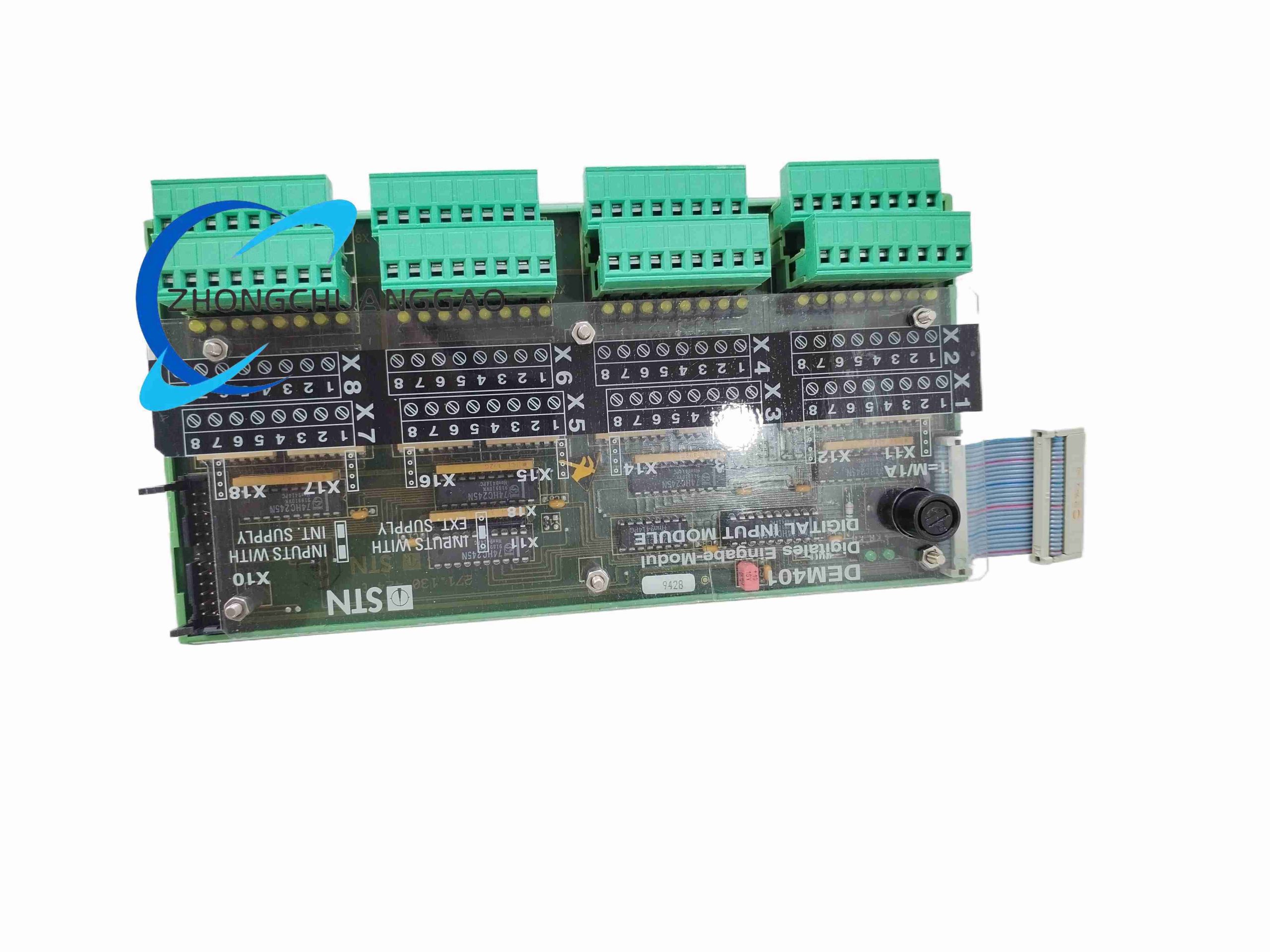
Marine-certified dedicated monitoring module designed for merchant vessel main propulsion engine and auxiliary generator set real-time parameter acquisition, signal conditioning and digital data output, compliant with international marine classification society safety standards.
Description
Technical Specifications
- Input Channel Configuration: 16 analog signal input channels, 32 digital binary input channels
- Analog Input Signal Types Supported: 4–20 mA current loop, 0–10 VDC voltage, PT100 platinum thermal resistance thermocouple
- Digital Input Rating: 24 VDC sinking/sourcing dry contact input, 12 VDC signal compatible
- Communication Interface: Isolated RS485 Modbus RTU marine communication bus
- Power Supply: 24 VDC marine vessel standard power supply, 16 VDC ~ 32 VDC operating tolerance
- Marine Environmental Temperature: -10 °C ~ +70 °C continuous operation
- Vibration Resistance Standard: IEC 60068-2-6 marine vibration grade
- Shock Resistance Standard: IEC 60068-2-27 marine heavy shock certification
Functional Features
- Real-time sampling of engine temperature, lubrication pressure, cooling water pressure, exhaust temperature, fuel pressure signals
- On-board signal linearization calibration for PT100 thermal resistance temperature measurement
- Hardware over-range protection for all analog input channels with fault diagnostic flag output
- Built-in threshold alarm logic with programmable upper/lower limit trigger points
- Continuous self-diagnosis circuit detecting channel open-circuit, short-circuit and module power failure
- Modbus RTU data upload to marine central alarm monitoring system
Performance Parameters
- Analog sampling resolution: 16-bit ADC per channel
- Sampling frequency: 10 Hz per analog channel synchronous sampling
- Temperature measurement accuracy: ±0.2 °C for PT100 input
- Analog current measurement precision: ±0.05% full scale
- Module power consumption: 11 W maximum full channel load
- Communication data refresh cycle: ≤ 100 ms complete channel data upload
Material Composition
- Main housing: Marine-grade aluminum alloy die casting, salt spray anti-corrosion passivation treatment
- Circuit board: High Tg FR4 PCB with anti-salt mist conformal coating
- Wiring terminals: Marine brass terminals with tin anti-corrosion plating
- Internal chips: Industrial extended temperature range microcontroller and isolated signal amplifiers
Structural Characteristics
- Wall-mounted panel installation enclosure with four fixed mounting holes
- Front panel layout: LED channel fault indicators, module power indicator, Modbus communication status lamp
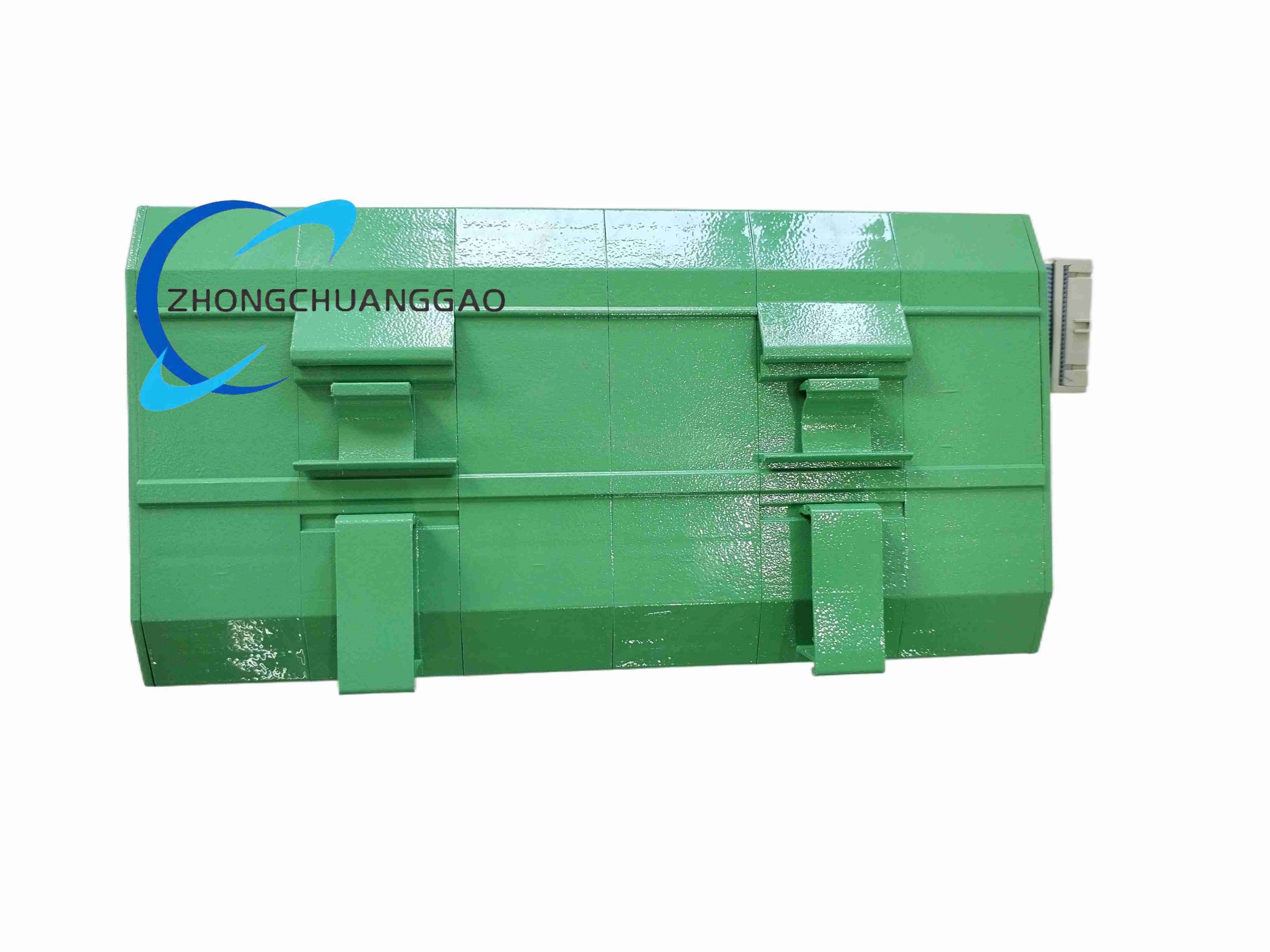
- Rear side integrated heavy-duty screw terminal blocks for all sensor input and power wiring
- Sealed IP30 front face protection against cabin dust and water splashing
Working Principle
Engine sensor analog/digital signals enter signal conditioning circuits for noise filtering and level conversion, high-precision ADC converts analog physical signals to digital numerical values, internal MCU executes linear calibration, threshold comparison and fault detection logic. Processed data is stored in Modbus register map and transmitted via isolated RS485 bus to vessel central monitoring unit for display and alarm triggering.
Advantage Highlights
- Full marine classification society type approval for onboard vessel installation
- Conformal coated circuit board resists marine salt fog, humidity and corrosive cabin atmosphere
- Integrated all common marine engine sensor signal conditioning without external signal isolators
- Built-in independent hardware alarm logic operates without upper system power supply
- High shock and vibration resistance adapts to continuous hull propulsion vibration environment
Applicable Industries
Ocean-going cargo vessels, container ships, bulk carriers, offshore supply vessels, marine auxiliary engine control rooms, ship power station monitoring systems
Installation Requirements
- Mount module inside dry, temperature-controlled engine control cabin, avoid direct exhaust heat radiation
- Separate sensor signal cables from high-current engine starter power cables with minimum 15 cm separation
- Connect module protective earth terminal to vessel ship ground copper bar
- Use marine shielded twisted cable for Modbus RS485 communication wiring
Operation Precautions
- Do not install module in bilge areas with continuous water splashing or high salt mist concentration
- Perform full channel calibration after replacing temperature/pressure sensors
- Cut off 24 VDC power before disconnecting sensor terminal wiring to prevent ADC chip damage
- Avoid operating module beyond upper temperature limit +70 °C during sustained full engine load
- Conduct annual insulation resistance test of all input channels per marine safety regulation
-500x500.jpg)
Reviews
There are no reviews yet.