
Product Short Description
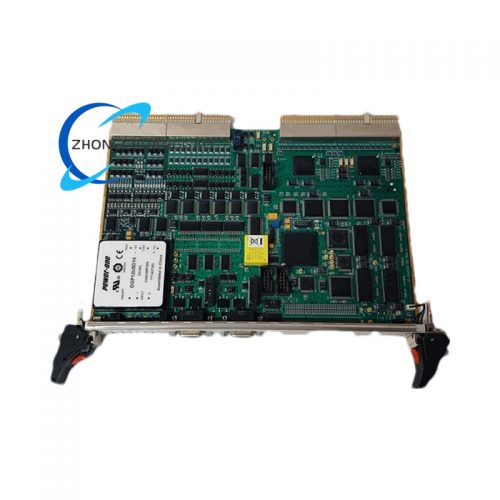
Product Description: The TRX32 303088G is a dedicated printed circuit board developed by Kongsberg Maritime for HiPAP high precision acoustic positioning systems. It integrates transmitting and receiving circuits for underwater acoustic signals, responsible for sending acoustic pulses to subsea transponders and receiving returned echo signals. The board carries local signal processing capability to convert analog acoustic signals into digital data for host system calculation of subsea positioning. It is designed for marine harsh environment and deployed as rack plug-in card inside HiPAP transceiver cabinet.
Description
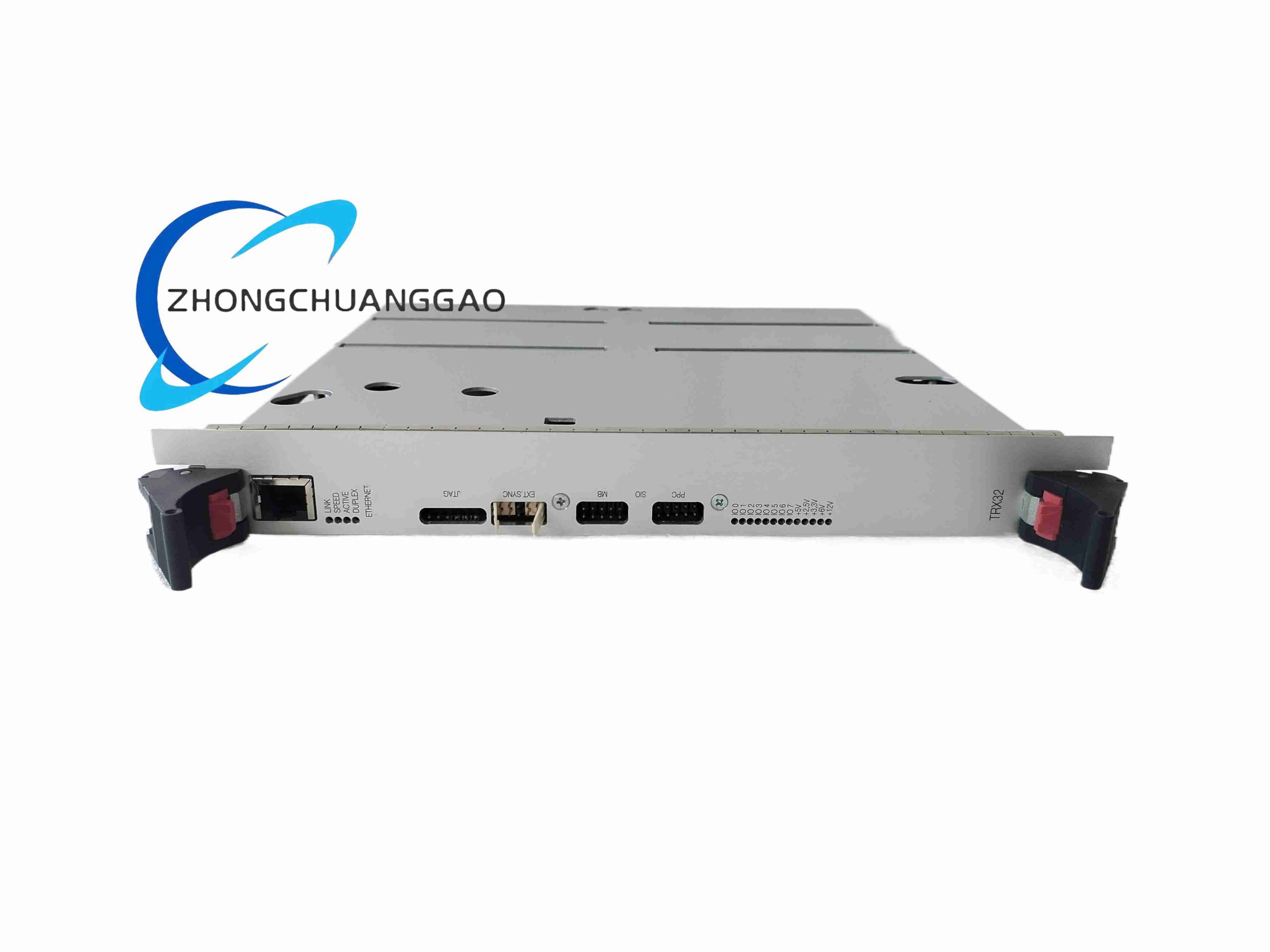
Technical Specifications: Part Number: 303088G Channel Quantity: 32 transmit and receive channels Host Communication Interface: Ethernet, supporting broadcast and addressed command transmission Synchronization Input: External trigger, 20MHz clock, TX enable signal, decimation clock Onboard Energy Reserve: 11 pcs 3900µF capacitors, total capacitance 42900µF Fuse Configuration: F1 12V 4A 250V, F2 6V 4A 250V Maximum Board Count Per Unit: Up to 8 TRX32 boards in one transceiver unit Front Panel Indicators: Ethernet LINK, SPEED, ACTIVITY LEDs, power and I/O status LEDs, SW1 and SW2 configuration switches Debug Ports: P4 external synchronization port, P5 and P7 serial debug ports
Function Features: It drives underwater transducer elements to transmit multi-frequency acoustic signals. It captures weak echo signals from subsea targets and completes analog signal conditioning and digital conversion. It supports external clock and trigger synchronization to align acoustic transmitting timing across multiple boards. Status LEDs provide real-time visual diagnosis of power, communication and I/O working state. It supports hardware configuration via on-board switches for different system deployment modes. Single channel fault will not shut down the whole board operation.
Application Scenarios: HiPAP 101, HiPAP 351, HiPAP 451, HiPAP 501 ultra-short baseline acoustic positioning systems. Offshore drilling rig dynamic positioning. ROV and subsea equipment tracking. Subsea construction survey and underwater navigation. Marine vessel hydrographic survey.
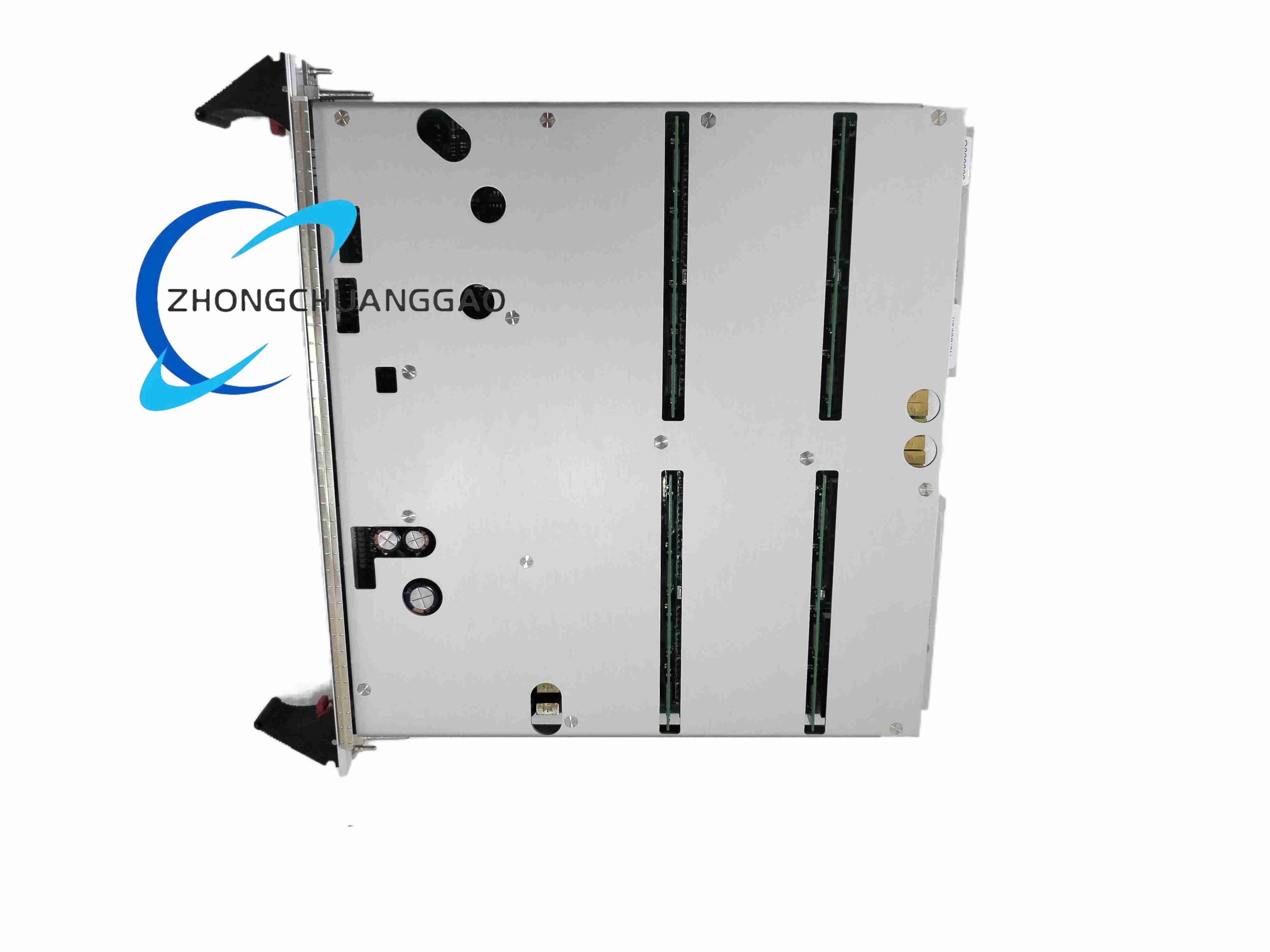
Material Composition: Industrial multilayer printed circuit board. Surface mounted electronic components including power capacitors, signal amplifiers, digital logic chips and protection fuses. Metal shielding plate for electromagnetic interference suppression. Metal ejector locking mechanism for rack installation.
Structural Characteristics: Standard rack plug-in board form factor. Equipped with two board ejectors for locking and extraction. A shielding and reinforcing cover plate covers most of component side. Front panel integrates indicator LEDs and signal connectors. Internal layout separates analog acoustic signal circuit and digital communication circuit.
Working Principle: The host system sends positioning command via Ethernet to TRX32 board. The board generates and amplifies multi-frequency acoustic excitation signal and outputs to transducer array. After acoustic signal travels through seawater and reflects back from subsea transponder, transducer converts acoustic wave back to analog electric signal. The board amplifies, filters and samples the echo signal, then transmits digital data back to host computer for time-of-flight calculation and subsea target coordinate solving. External synchronization signal ensures phase consistency among multiple transceiver boards.
Installation Requirements: Install inside dedicated HiPAP transceiver cabinet. Use board ejectors to fully lock the card into rack slot. Ensure reliable connection of all front panel signal cables. Maintain cabinet ventilation to avoid overheating. Keep cabinet sealed against moisture and salt spray. Configure on-board switches according to system configuration manual. Complete Ethernet and synchronization wiring before power on.
Usage Notes: Operate within rated marine power supply range. Do not remove shielding plate during powered operation. Avoid physical impact on PCB and capacitors. Conduct regular inspection of fuse status and LED alarm information. Disconnect power before replacing the board. Do not modify onboard circuit components. Keep the board away from strong electromagnetic interference sources. Follow Kongsberg official maintenance procedure for repair and replacement.
Reviews
There are no reviews yet.