
Product Short Description
Product Brief Introduction
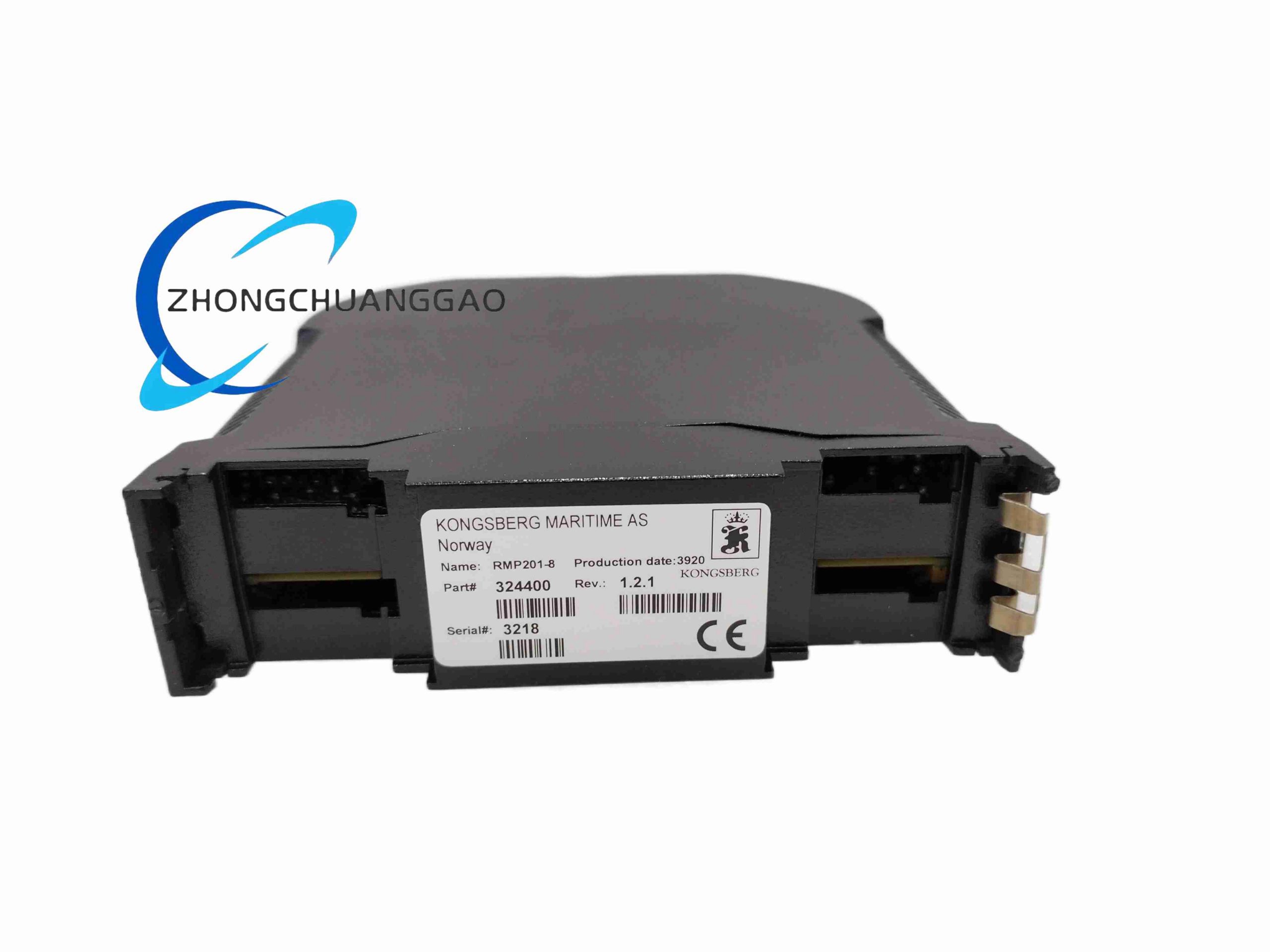
High-frequency analog signal processing expansion module for Kongsberg K-Chief marine automation system, matched with RCU502I main control unit, dedicated to collecting 4–20 mA analog sensor signals (temperature, pressure, liquid level, flow transmitters) and outputting analog control signals to marine field proportional actuators. Features high-speed 50 kHz signal sampling for precise continuous process variable regulation on vessels and offshore platforms.
Description
Core Technical Performance Parameters
- Channel Configuration: 8 galvanically isolated analog input channels + 8 isolated analog output channels
- Analog Input Standard: 4–20mA two-wire transmitter loop supply, 12 V DC loop power per channel
- Analog Output Standard: 4–20mA passive current output, max 600 Ω load resistance per channel
- Signal Sampling Rate: 50 kHz high-speed per-channel independent sampling
- Channel-to-Bus Isolation: 2500 V AC dielectric withstand isolation
- Operating Supply Voltage: 24 V DC marine standard control power, operating range 18 V DC ~ 32 V DC
- Power Consumption: Max 28 W under full 16-channel load
- Operating Ambient Temperature: -25 °C to +70 °C continuous operation
- Storage Temperature: -40 °C to +85 °C
- Humidity Tolerance: 5%–95% RH non-condensing
- Vibration Standard: IEC 60945 marine environmental specification, 10–2000 Hz sustained vibration resistance
- Marine Certifications: DNV, ABS, BV, LR vessel type approval
- Protection Rating: IP30 module housing, only for indoor sealed marine cabinet installation
- Mounting Format: 19-inch standard rack slide-in pluggable module
- Net Weight: 1.05 kg
Function & Feature Highlights
- Independent galvanic isolation for every input and output channel, completely eliminates ground loop noise caused by long-distance shipboard field wiring
- Built-in 12 V DC loop power supply for 2-wire pressure, temperature, level transmitters, no separate external power source required for field sensors
- Per-channel open-circuit & short-circuit diagnostic function; automatically detects broken transmitter cables or shorted actuator loops and sends fault codes to central HMI
- Hot-pluggable slide-in hardware design; single module replacement does not shut down the entire RCU control system, supporting vessel maintenance during navigation
- Full silicone conformal coating on all PCB layers to resist salt fog, moisture and chemical volatile gas corrosion in engine room environment
- Front panel individual LED indicators for each AI/AO channel: green for normal signal, red for wiring fault
- Supports closed-loop proportional regulation for ballast tank level, bilge pump pressure, cooling water temperature and fuel oil flow control
- Fanless passive heat dissipation design, removes mechanical failure risk of cooling fans in unattended marine machinery spaces
- Multi-module cascading support; up to 12 RMP201-8 modules can be connected to one RCU502I main controller to expand analog signal capacity massively
Working Principle
- Each 4–20mA analog input channel receives continuous measurement signals from marine transmitters (temperature sensors, pressure transmitters, liquid level gauges, flow meters). Internal isolation optocouplers convert analog current signals into digital sampling data without cross-channel interference.
- The onboard high-speed signal processor converts raw current values into standardized engineering units (bar, °C, m³/h, meter) and transmits digital process data to RCU502I master controller via proprietary marine fieldbus.
- RCU502I receives operator setpoints or automatic logic calculation results, sends target 4–20mA output values back to RMP201-8 through bus communication.
- The module’s analog output circuit generates precise regulated current signals to drive modulating control valves, variable speed pump controllers and heating regulators; built-in load detection continuously monitors actuator loop impedance.
- Real-time hardware diagnostic circuit scans each channel’s loop resistance constantly. If loop open or short circuit is detected, the module triggers red LED alarm and uploads fault location information to the vessel central alarm monitoring system.
Material & Structural Composition
- Main Housing: Cold-rolled steel frame with anti-salt-spray epoxy coating, built-in slide locking rail for 19-inch rack mounting
- PCB Substrate: High-TG marine FR4 fiberglass board, full silicone conformal anti-corrosion coating on all copper traces and components
- Isolation Components: High-withstand voltage optocoupler chips for each signal channel
- Loop Power Circuit: Low-noise stabilized DC regulator modules for sensor 12 V loop supply
- Signal Conversion Chips: High-precision 16-bit ADC/DAC industrial grade chips with wide temperature tolerance
- Terminal Blocks: Nickel-plated copper screw terminals with stainless steel locking bolts to resist loosening under long-term marine vibration
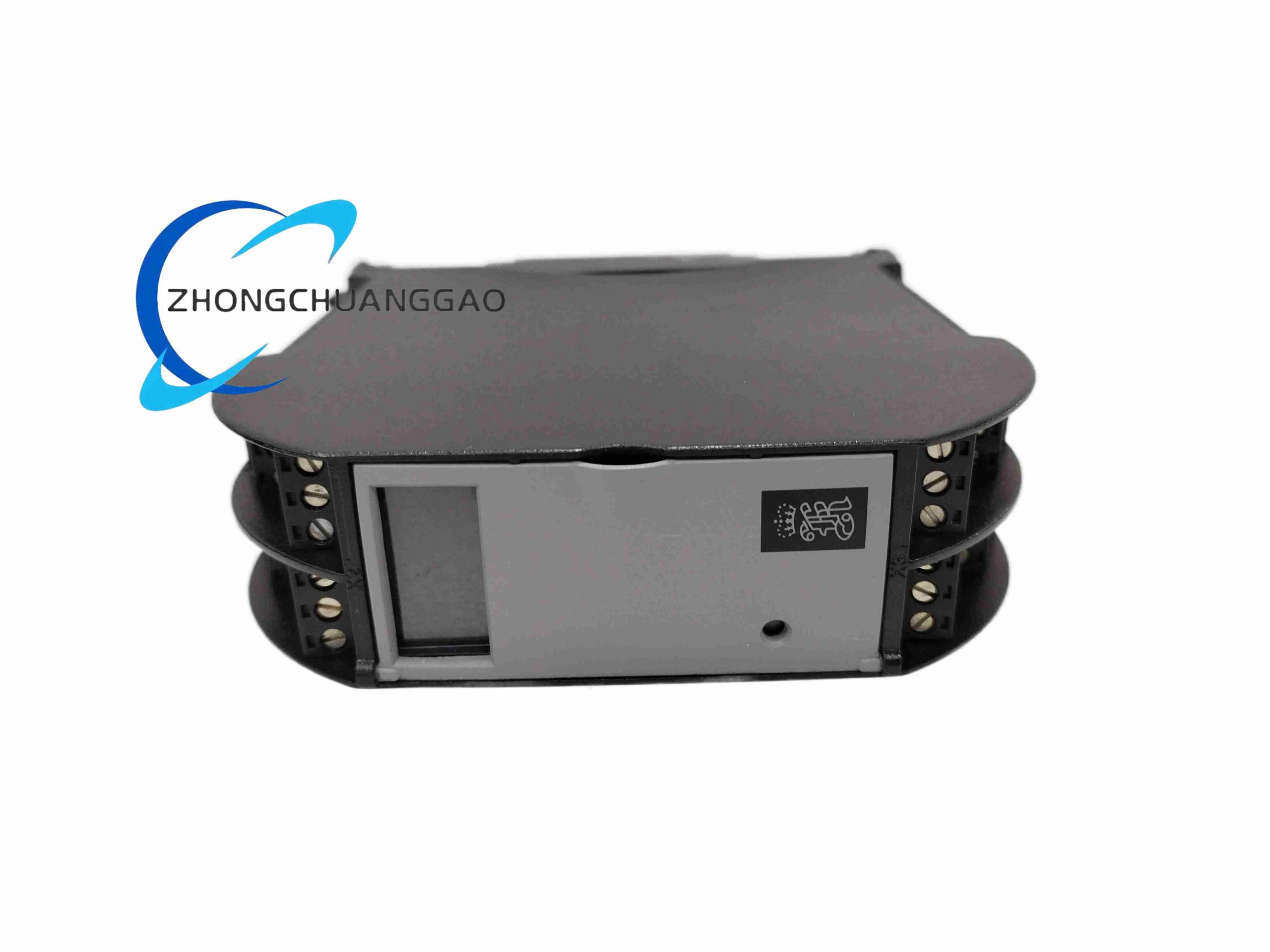
- Front Panel: Impact-resistant polycarbonate plastic with transparent viewing window for channel LED status observation
Installation Requirements
- Install horizontally on standard 19-inch marine cabinet rack, slide the module fully into the rack and lock the front panel latch tightly to avoid loose bus connection from vessel vibration
- Maintain minimum 30 mm vertical ventilation gap between stacked RMP and RCU modules to guarantee passive air convection cooling
- All field analog wiring must use marine-grade shielded twisted pair cable; shield layer only grounded at cabinet internal ground rail, floating ground at field transmitter side to prevent ground loops
- Max allowable wiring distance between RMP201-8 and field transmitters/actuators is 120 meters with 1.0 mm² cross-section copper cable
- Avoid mounting the module adjacent to large power contactors, frequency converters or main engine starter panels to reduce electromagnetic interference
- The installation cabinet must be IP54 sealed with dehumidifier equipment to eliminate condensed salt water vapor inside the cabinet
Application Scenarios
- Ocean-going cargo ship ballast tank level closed-loop regulation
- Vessel main engine cooling water, fuel oil and lube oil temperature/pressure monitoring
- Offshore FPSO crude oil storage tank liquid level and flow proportional control
- Passenger ship HVAC heating and cooling air flow modulating control
- Offshore wind service platform hydraulic pressure and water treatment system signal collection
- Marine chemical carrier cargo tank pressure safety monitoring
Operation & Maintenance Precautions
- Never connect AC voltage signals to analog input/output channels; AC leakage will burn internal ADC/DAC and isolation circuits completely
- Do not disconnect field transmitter cables while the module is powered; sudden loop open will trigger repeated fault alarms and accelerate component aging
- Annual inspection of PCB conformal coating integrity; if peeling, bubbling or salt crystal corrosion appears, send the module to professional marine service station for recoating
- All terminal screws need torque retightening every 6 months; long-term hull vibration gradually loosens wiring terminals and causes signal drift
- Firmware upgrade must be completed during vessel port stop with partial power isolation; online firmware update may interrupt analog control logic
- Do not block cabinet ventilation gaps with cables or pipe fittings; insufficient heat dissipation leads to signal sampling error and over-temperature protection shutdown
Reviews
There are no reviews yet.