
Product Short Description
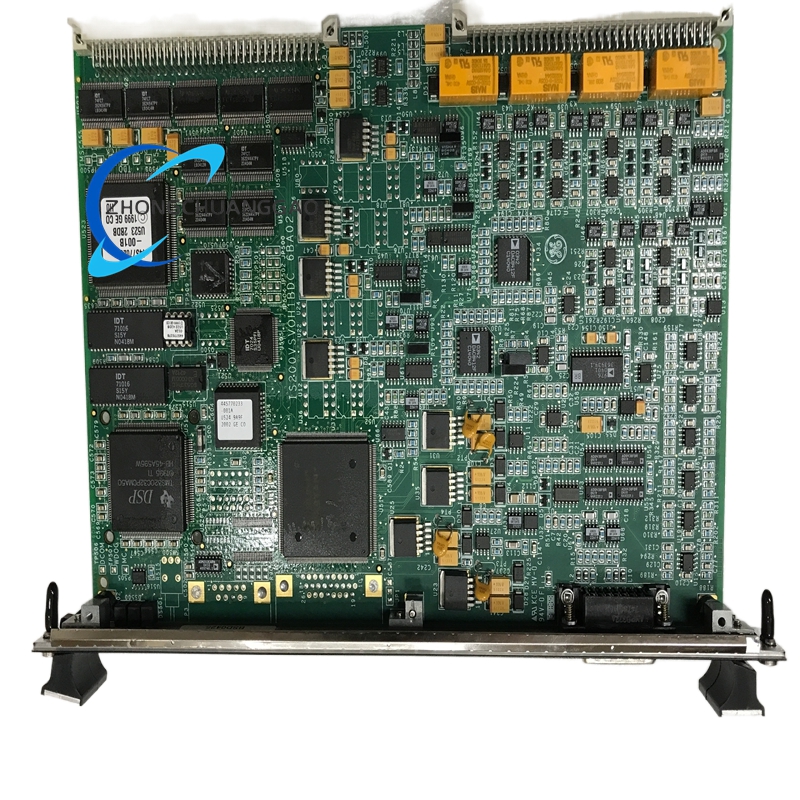
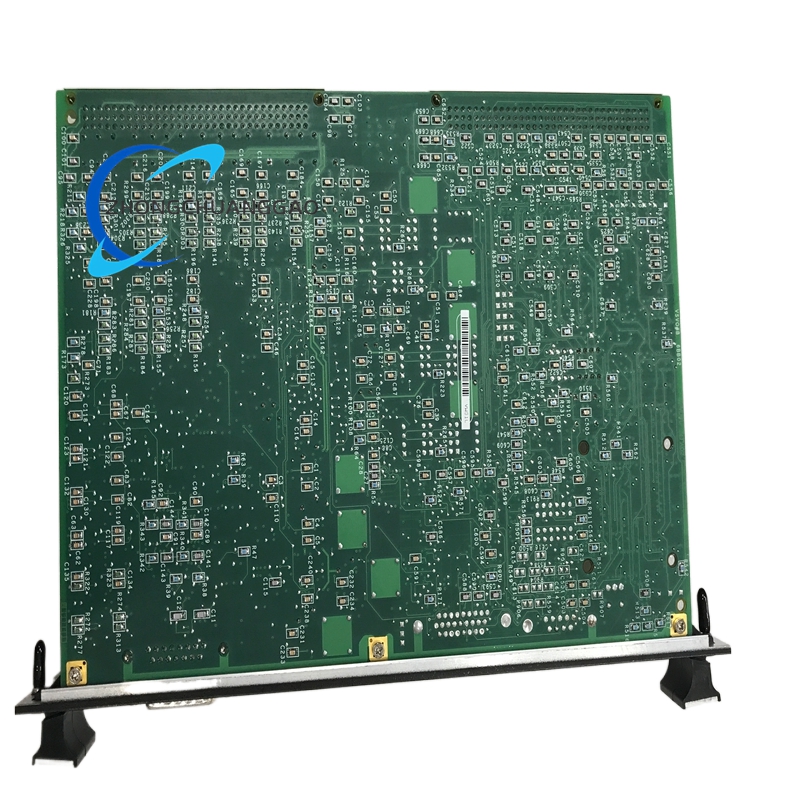
The IS200VSVOH1BED is a high-performance VME-based servo control card engineered for precision electro-hydraulic control of gas and steam turbines within the GE Mark VI/VIe Speedtronic platform. It functions as the core interface between the turbine’s digital control system and analog servo valves, governing critical parameters such as fuel flow, steam inlet pressure, and governor speed. Built for safety-critical industrial environments, it integrates high-speed processing, redundant power inputs, and comprehensive diagnostic circuitry to deliver accurate, reliable servo control in both simplex and TMR architectures.
Description
Technical Specifications
- Board Type: VMEbus Servo Control PCB (Conformal Coated)
- System Compatibility: GE Mark VI / Mark VIe Speedtronic (Simplex/TMR)
- Processor: 667 MHz Freescale 8349 PowerQUICC II Pro
- Operating System: QNX Real-Time OS
- Memory: 16 MB SDRAM, 32 MB Flash
- Servo Valve Outputs: 2 channels (3 channels for TMR configurations)
- Output Signal Type: Analog (4–20 mA, ±10 V DC)
- Pulse Rate Inputs: 2 channels (2 Hz–14 kHz, active/passive sensors)
- Redundant Power Input: 18–36 V DC (24 V DC nominal)
- Power Consumption: Max 12 W
- Operating Temperature: 0°C to +65°C (+32°F to +149°F)
- Storage Temperature: -40°C to +85°C (-40°F to +185°F)
- Dimensions (L×W×H): 229 mm × 178 mm × 38 mm (9 in × 7 in × 1.5 in)
- Weight: 0.6 kg (1.3 lbs)
- LED Indicators: 3 (Run, Fail, Status)
- Certifications: CE (EN 61000-6-2), UL 508, CSA C22.2 No.14-13, NFPA Class 1, RoHS
Key Features
- Precision Servo Valve Control: Delivers high-resolution analog outputs to regulate electro-hydraulic servo valves, ensuring accurate control of fuel flow, steam valves, and turbine speed.
- TMR & Simplex Compatibility: Supports both single-channel simplex and triple-modular redundant (TMR) system configurations, providing fault tolerance and zero downtime during component failures.
- High-Speed Real-Time Processing: Equipped with a 667 MHz PowerPC processor and QNX OS, enabling fast closed-loop control and deterministic response to dynamic turbine load changes.
- Redundant & Wide-Range Power: Accepts 18–36 V DC redundant power inputs, ensuring stable operation even with voltage fluctuations or single power supply failures.
- Comprehensive I/O Interface: Includes 2–3 servo outputs, 2 pulse rate inputs (for speed/position sensors), and digital communication ports for seamless integration with Mark VI/VIe I/O packs and HMI systems.
- Harsh Environment Durability: Features conformal coating, industrial-grade components, and robust VME connectors to withstand extreme temperatures, vibration, and electrical transients.
- Integrated Diagnostics & Status Monitoring: Three front-panel LEDs (Run, Fail, Status) provide real-time operational visibility, while onboard diagnostics detect and report faults to the control system for proactive maintenance.
Application Scenarios
- Power Generation Plants: Deployed in gas turbine, steam turbine, and combined-cycle power plants for critical control of fuel valves, steam inlet valves, and turbine governor speed; ensures stable, efficient power generation under varying grid loads.
- Oil & Gas Industry: Used in compressor stations, refineries, and offshore platforms to control turbine-driven compressors and pumps, maintaining precise process pressure and flow levels.
- Industrial Cogeneration: Applied in chemical plants, steel mills, and pulp/paper facilities with on-site turbine-based power generation, optimizing energy efficiency and meeting strict emissions standards.
- Marine Turbine Propulsion: Utilized in large marine vessels with gas turbine propulsion systems, providing accurate speed and thrust control for navigation and maneuvering.
Functional Overview
The IS200VSVOH1BED operates as the servo control core within the Mark VI/VIe system, receiving digital setpoints and control commands from the main turbine controller. It converts these digital signals into high-precision analog outputs to drive electro-hydraulic servo valves, adjusting fuel flow or steam valve position to maintain desired turbine speed, load, or temperature. The board monitors feedback from speed/position sensors via pulse rate inputs, closing the control loop for accurate regulation. Redundant power inputs and TMR-compatible design ensure continuous operation during faults, while onboard diagnostics and LED indicators simplify troubleshooting. All connections are made via VMEbus and front-panel I/O connectors, enabling easy integration, maintenance, and system expansion.
Reviews
There are no reviews yet.