
Product Short Description
Product Brief Introduction
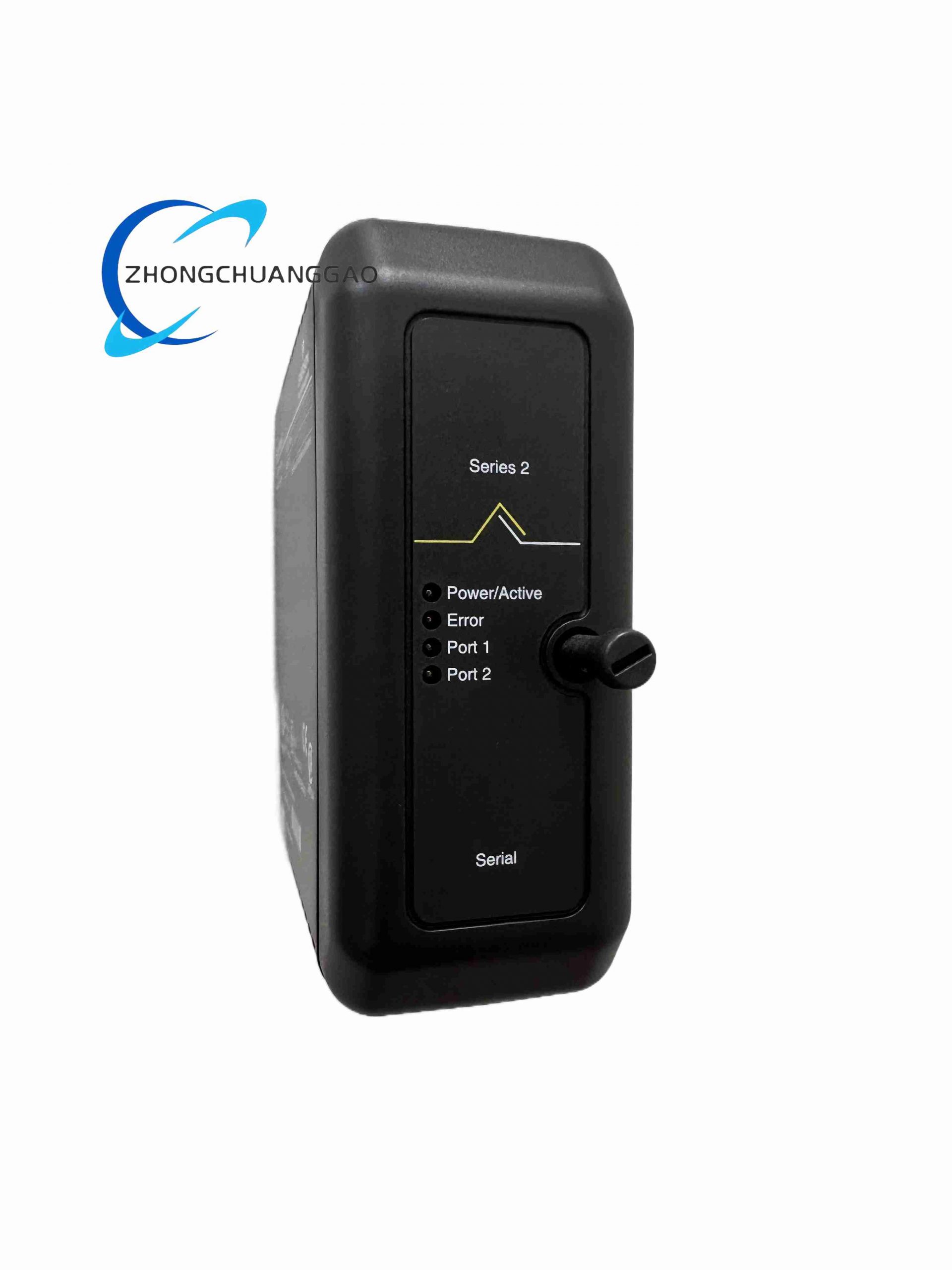
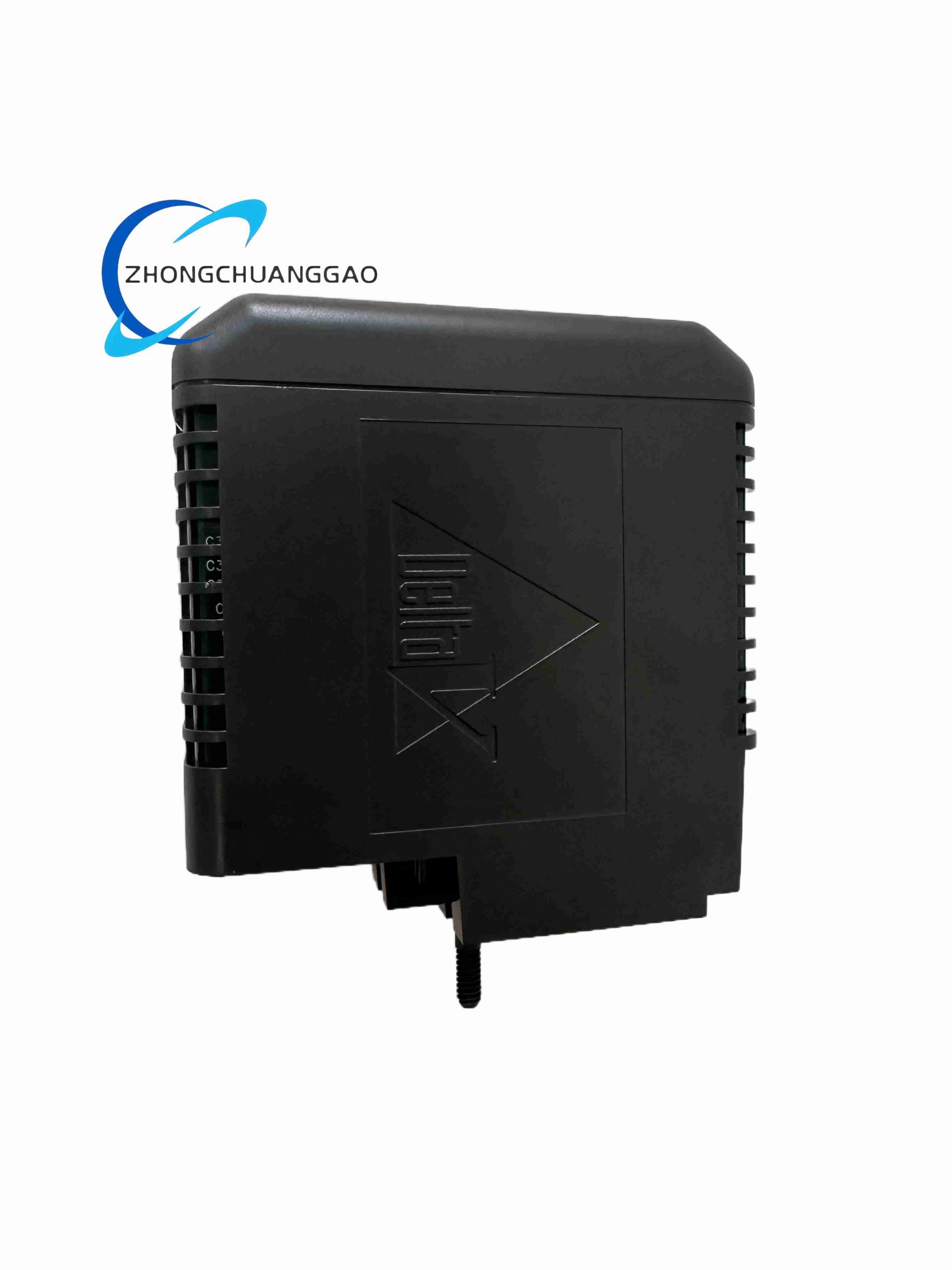
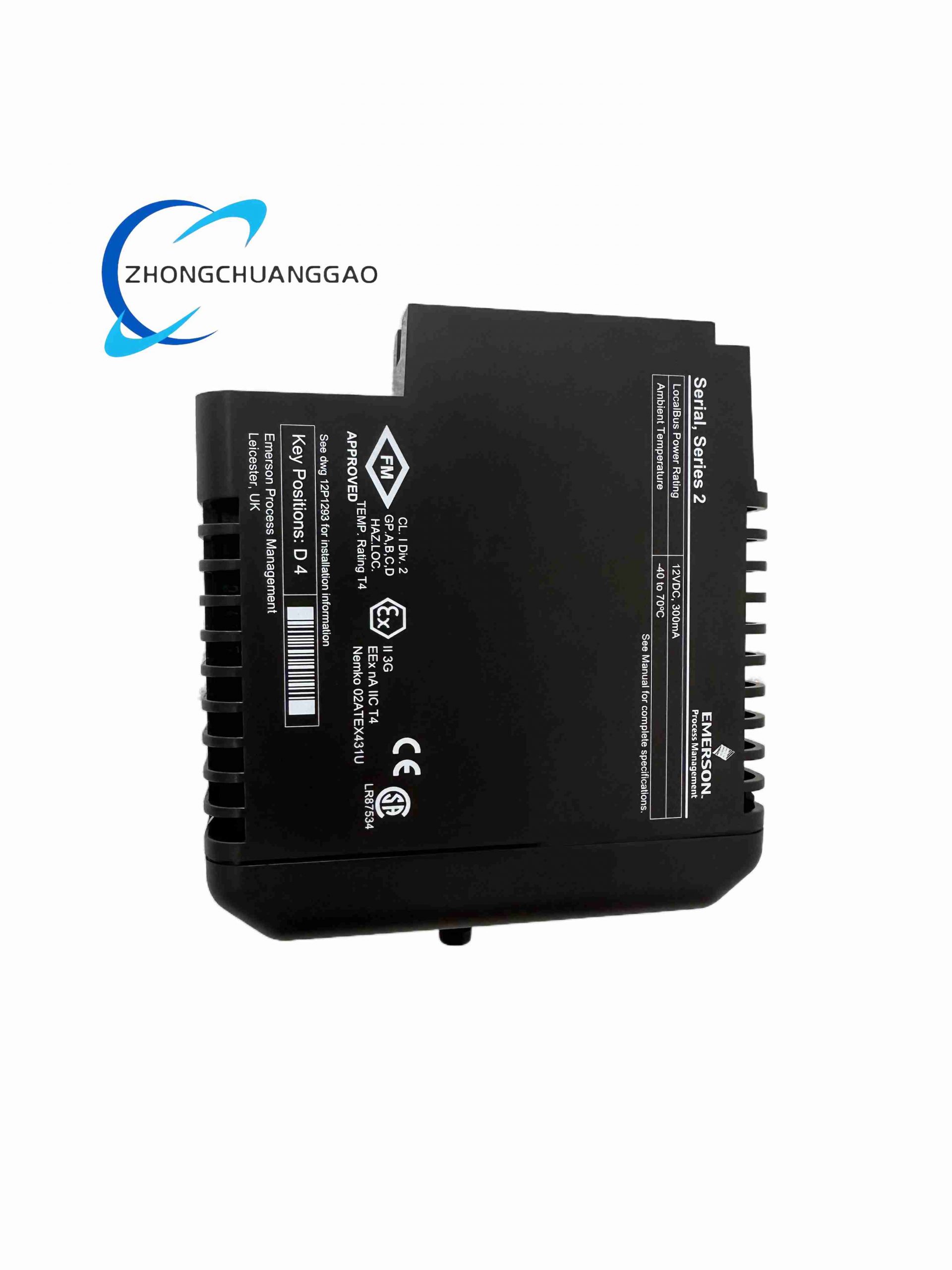
VE4006P2 is a DeltaV DCS M-series modular serial communication interface card designed to establish bidirectional data exchange between the DeltaV distributed control system and third-party industrial equipment, legacy PLC systems, chart recorders, analyzers and local HMI panels. It integrates multiple standard serial communication ports supporting RS232 and RS485 electrical standards, with built-in protocol processing firmware for Modbus RTU, ASCII and custom serial industrial communication protocols, enabling seamless cross-system data integration without intermediate gateway hardware.
Description
Core Technical Performance Parameters
- Serial Communication Ports: 4 independent configurable serial ports (RS232 / RS485 software selectable per port)
- Supported Communication Protocols: Modbus RTU master/slave, ASCII generic serial, DeltaV proprietary serial device protocol
- Maximum Baud Rate: 115200 bps per serial port
- Data Bit Configuration: 7/8 data bits, even/odd/no parity, 1/2 stop bits fully configurable
- Electrical Isolation: Each serial port 2500VDC galvanically isolated from DeltaV internal system bus
- Card Bus Interface: DeltaV M-series I/O carrier backplane high-speed digital communication bus
- Power Consumption: Max 3.0 Watts operating power draw from carrier backplane 12VDC bus
- Mounting Format: Standard M-series single-width I/O card slot plug-in design
- Physical Dimensions: Standard DeltaV M-series card form factor 230mm height × 35mm width × 180mm depth
- Net Weight: 0.42 kg
- Certifications: CE, UL 61010, ATEX Zone 2 Ex nA IIC T4
Function Features
- Four independent isolated serial ports with software-selectable RS232 point-to-point or RS485 multi-drop bus communication modes
- On-board embedded protocol processing microcontroller offloads serial communication data parsing workload from DeltaV main controller CPU
- Real-time serial communication fault diagnosis covering cable breakage, parity error, baud rate mismatch and response timeout with DCS workstation alarm reporting
- Bidirectional data mapping function to import third-party device measurement values and export DeltaV control setpoints to external serial equipment
- Hot-swap compatible card design supporting online replacement without full DeltaV controller rack shutdown
- Configurable serial communication fault logging stored in non-volatile on-board flash memory for post-failure troubleshooting analysis
- Front-panel multi-color LED status indicators per serial port showing transmit, receive and communication fault states
Working Principle
VE4006P2 inserts into a standard slot on the DeltaV M-series I/O carrier backplane, establishing high-speed digital data connection with the DeltaV system controller via the internal rack bus. Each of the four serial ports contains independent isolated UART communication transceivers configurable for RS232 or RS485 electrical signaling. Embedded firmware processes user-selected serial communication protocols to convert between DeltaV internal digital data format and third-party device serial data frames. When the DeltaV controller requires reading external equipment parameters or sending control commands, data packets transfer through the backplane bus to VE4006P2, which encodes data into serial frames and transmits via the selected serial port transceiver. Inbound serial data from external devices is decoded, validated for parity and framing errors, then repackaged into DeltaV standardized data structures for transfer to the main process controller. All communication errors are timestamped and stored in on-board flash memory for historical diagnostic review.
Material Composition & Structural Characteristics
- Card Housing: Black plastic injection molded edge guide frame for secure rack slot insertion
- Main Processing PCB: Multi-layer FR4 industrial communication circuit board with gold-plated backplane edge connector pins
- Communication Components: Isolated RS232/RS485 transceiver chips, high-speed UART microcontroller, non-volatile flash memory ICs
- Front Panel Interface: High-brightness multi-color LED status indicators, card slot locking ejection lever
- Internal Isolation Hardware: Reinforced opto-coupler isolation barriers separating serial port field circuits and DeltaV control bus circuits
Installation Requirements
- Insert into empty single-width slot on DeltaV M-series I/O carrier rack, fully engage ejection locking lever to secure backplane contact
- Separate serial communication shielded cable routing from analog measurement cables and high-voltage power wiring by minimum 20cm distance
- RS485 multi-drop bus cables require 120Ω termination resistor installed at both physical endpoints of the bus trunk
- All serial cable shielding grounded at control cabinet earth bus single-point to eliminate ground loop communication noise
- Verify serial port protocol, baud rate and parity parameter configuration on DeltaV workstation before connecting third-party field equipment
Application Scenarios
- Legacy analog chart recorder and gas analyzer serial data integration to DeltaV DCS
- Modbus RTU third-party PLC communication bridging for auxiliary plant equipment control
- Local machine HMI panel serial bidirectional data exchange with central DCS system
- Remote pump and compressor serial parameter monitoring via RS485 multi-drop bus
- Power plant generator excitation control system serial communication interface
Operation & Maintenance Precautions
- Do not mix RS232 and RS485 wiring standards on the same serial port terminal block; misconfiguration causes permanent transceiver chip damage
- Limit RS485 multi-drop bus cable total length to maximum 1200 meters at 9600 baud communication speed
- Clear on-board communication fault log memory monthly for long-term continuous operation applications
- Replace the card if front-panel port fault LEDs remain continuously illuminated after verifying serial wiring and third-party device power status
- Perform all serial port wiring modifications with the VE4006P2 card installed but serial communication port power disabled via DCS software configuration
Reviews
There are no reviews yet.