
Product Short Description
Product Introduction
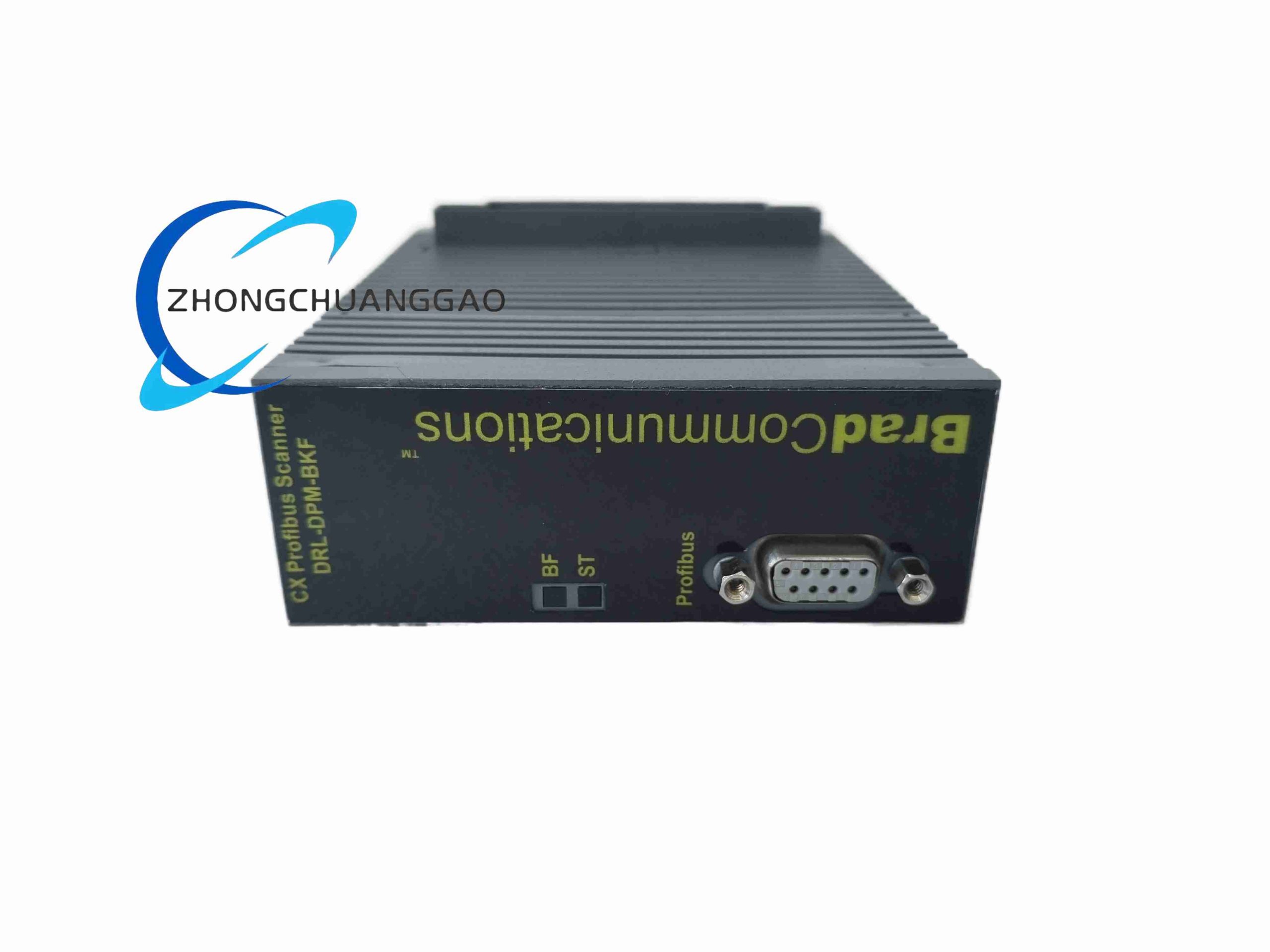
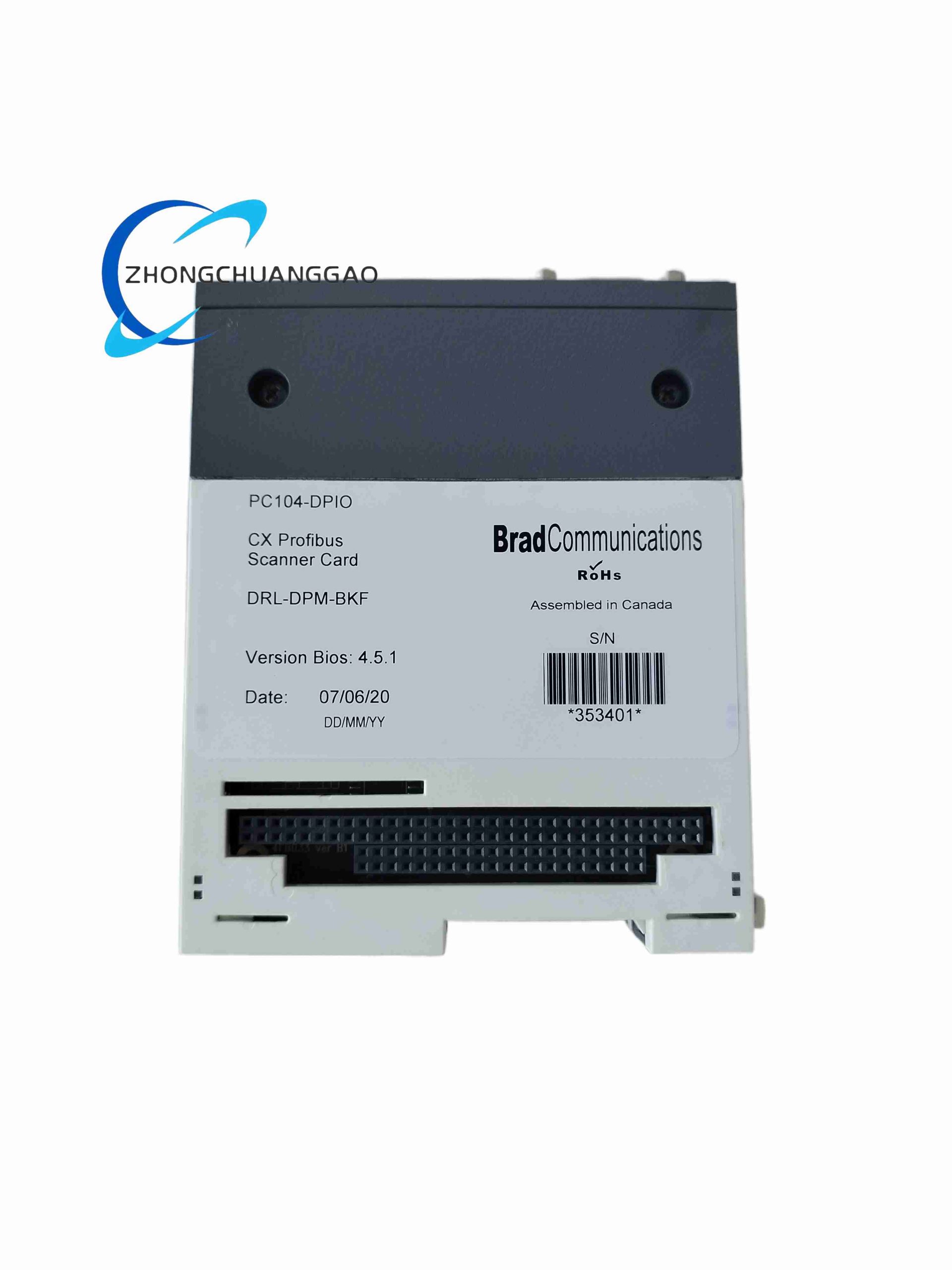
The Brad Communications PC104-DPIO is a compact stackable PC/104 bus industrial digital I/O and PROFIBUS-DP communication interface module manufactured under the Woodhead Brad product line. Designed for embedded industrial single-board computer (SBC) systems with limited cabinet space, it provides high-density discrete digital signal acquisition and control paired with high-speed PROFIBUS fieldbus master/slave communication functionality.
Description
Technical Specifications
PC/104 Bus & Communication Parameters
- Form Factor: Standard PC/104 stackable 90 mm × 96 mm footprint
- Host Bus Interface: PC/104 ISA-compatible 16-bit bus, 5 VDC host supply power
- PROFIBUS Protocol Support: PROFIBUS-DP V0/V1 master and slave dual mode operation
- Fieldbus Transmission Speed: 9.6 kbps to 12 Mbps software selectable baud rate
- Onboard Processing Hardware: AMD SC520 133 MHz embedded processor, 4 MB flash firmware storage, 16 MB SDRAM data buffer
Digital I/O Electrical Specifications
- Digital Input Channels: 64 opto-isolated 24 VDC industrial digital inputs
- Digital Output Channels: 64 relay-based digital control outputs
- Relay Contact Rating: 250 VAC @ 10 A resistive load, 250 VDC @ 16 A inductive load
- Isolation Voltage: 2500 VAC optocoupler channel-to-bus isolation
- I/O Response Latency: <0.8 ms digital signal sampling and output actuation delay
Environmental & Physical Specifications
- Operating Temperature Range: -40°C to +85°C
- Storage Temperature Range: -55°C to +100°C
- Relative Humidity: 5%–95% non-condensing
- Power Consumption: Maximum 5.5 W (1.2 A) via PC/104 backplane 5 V supply
- Net Module Weight: 0.2 kg
- Protection Rating: IP20 when installed inside sealed embedded control enclosures
- Certifications: CE EMC compliant, RoHS hazardous substance restricted
Function Features
- Stackable PC/104 form factor enables vertical stacking with other embedded CPU, analog DAQ, and serial communication modules without separate rack space
- Dual PROFIBUS-DP master/slave operation allows flexible integration as fieldbus controller or remote I/O slave node
- High-density 64-input / 64-output opto-isolated relay I/O eliminates external expansion relay terminal blocks
- Onboard watchdog timer output relay triggers system safety shutdown if host embedded CPU communication loss exceeds configurable timeout
- Continuous I/O channel diagnostic monitoring detects relay coil open-circuit, input wire break, and overloaded output contact faults
- Firmware field-upgradable via PROFIBUS bus or PC/104 host software without physical module removal
- Wide industrial temperature range supports outdoor unmanned embedded systems without temperature-controlled enclosures
Application Scenarios
- Compact PC/104 embedded robotic arm controller digital limit switch and actuator valve control
- Automotive production line vehicle component test bench discrete signal monitoring
- Remote unmanned environmental water quality monitoring station valve and pump automation
- Mobile construction machinery onboard embedded control system PROFIBUS fieldbus expansion
- Laboratory automated test equipment discrete relay switching and sensor digital feedback collection
Working Principle
The PC/104-DPIO module stacks vertically onto a host PC/104 single-board computer via standard PC/104 pin headers, drawing 5 VDC operating power and exchanging host data over the ISA-compatible bus. Field 24 VDC digital sensor signals enter opto-isolated input circuits, converted to logic-level digital signals sampled by the onboard AMD embedded processor. The processor buffers all input state data and transmits real-time digital I/O status over the PROFIBUS-DP fieldbus to higher-level automation controllers. PROFIBUS command messages received from the fieldbus network trigger relay output actuation to drive external solenoids, indicator lamps, and small motor loads. The integrated watchdog circuit continuously monitors host bus communication; loss of host data communication energizes a dedicated fault relay output for emergency machine stop logic activation.
Material Composition
- Main PCB: FR4 thin-profile PC/104 stackable printed circuit board with full industrial conformal coating
- Communication Processing Components: AMD embedded CPU ASIC, PROFIBUS DP transceiver chip, flash memory ICs
- Isolation Hardware: High withstand voltage optocoupler chips separating field I/O circuits and PC/104 host bus
- Output Switching Components: Industrial-grade miniature electromechanical signal relays with silver tin alloy contact tips
- Stack Connectors: Gold-plated PC/104 male/female stacking pin headers to resist vibration oxidation
Structural Features
- Ultra-compact low-profile rectangular PCB layout optimized for tight embedded enclosure stacking
- Edge-mounted PROFIBUS D-sub 9 fieldbus connector on one side; terminal block I/O wiring ports on opposite edge to separate signal cabling zones
- Front surface small surface-mount LED indicators for PROFIBUS bus activity, host bus communication, watchdog fault, and module power status
- Four corner mounting standoff holes for mechanical fixation inside embedded aluminum enclosures to resist vehicle vibration shock
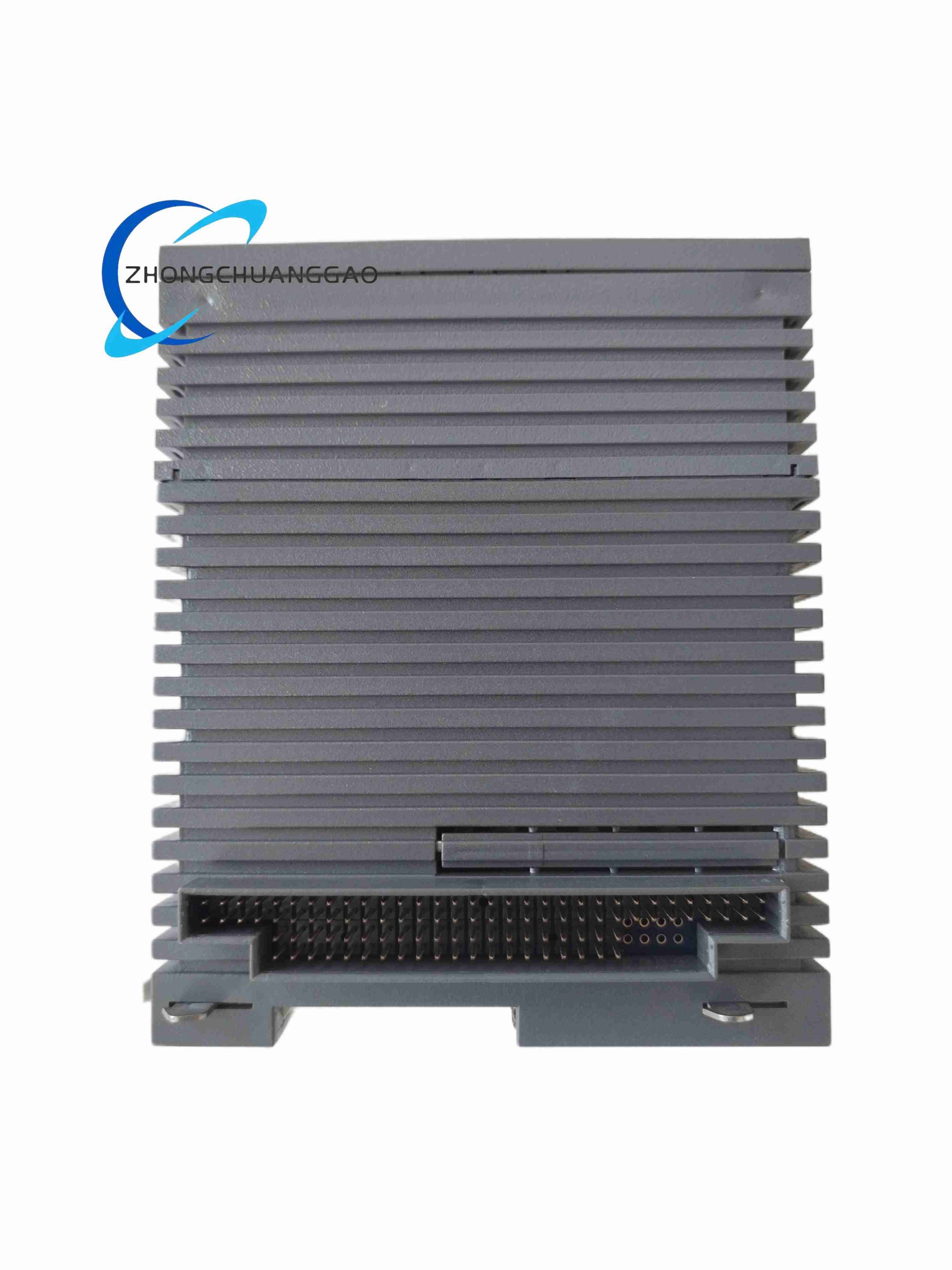
- Stack-through pin header design allowing additional PC/104 modules to stack above or below the DPIO unit without bus signal degradation
Installation Requirements
- Install module vertically stacked onto PC/104 host CPU board using insulating plastic standoffs to prevent PCB short-circuit contact with enclosure walls
- Maintain minimum 10 mm airflow gap between stacked PC/104 modules for passive heat dissipation
- Route PROFIBUS fieldbus cable as shielded twisted pair with single-point cabinet shielding grounding
- Separate high-current relay output load wiring and low-voltage PROFIBUS signal wiring into independent cable channels
- Torque digital I/O terminal block wiring screws to 0.5–0.7 N·m to avoid loose contact resistance
- Configure host PC/104 BIOS to allocate dedicated ISA memory address space for the DPIO module to prevent bus resource conflict
Usage Precautions
- Do not stack more than six high-power PC/104 modules (including PC104-DPIO) on a single host backplane; total 5 V current draw must not exceed host power supply rating
- Limit relay output contact switching frequency to maximum 10 cycles per second to prevent premature contact wear under full 10 A load
- Add freewheeling flyback diodes across all inductive output loads (solenoid valves, motor coils) to suppress voltage transients damaging relay contacts
- Avoid deploying the module in environments with conductive metal dust or salt spray without fully sealed IP65 rated enclosures
- Disable hot-swap operation; power down the full embedded PC/104 stack before adding or removing the DPIO module to prevent host bus short-circuit damage
- Perform annual firmware update to resolve PROFIBUS protocol compatibility bugs for multi-vendor fieldbus network integration
Reviews
There are no reviews yet.