
Product Short Description
Product Introduction
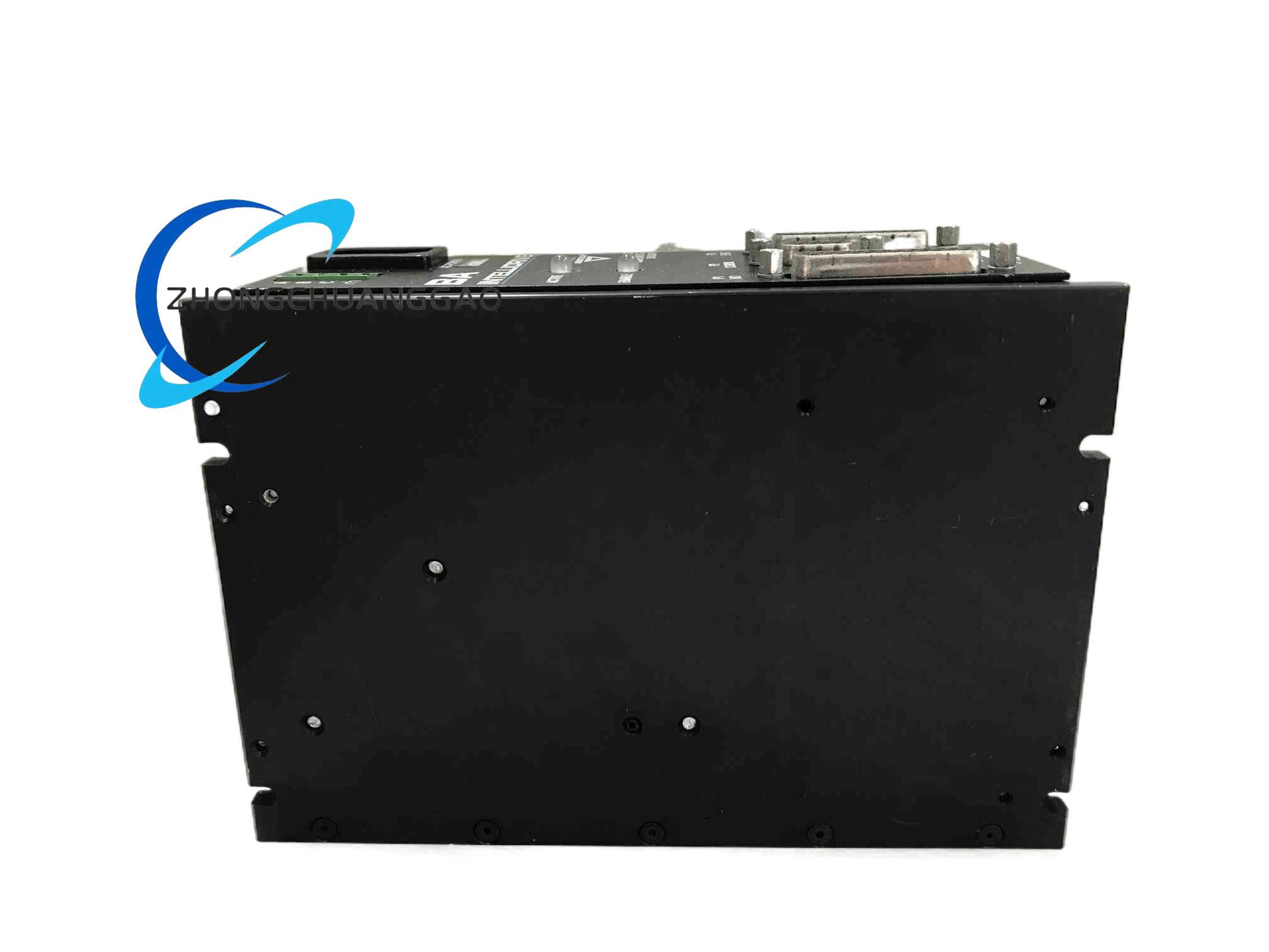
The BAI20-320 is a high-dynamic-response servo amplifier engineered to deliver high-precision current control for low-impedance, high-pole-count linear motors and torque motors. It is built for ultra-precision motion platforms where smoothness of motion directly determines yield in laser cutting, semiconductor wafer inspection, and optical metrology.
Description
Technical Specifications
-
Continuous output current: 320 A (sine-wave drive)
-
Peak output current: 640 A
-
Bus voltage range: 20–80 V DC
-
Modulation: high-frequency PWM
-
Current loop bandwidth: extremely high, enabling torque stability during rapid acceleration/deceleration with virtually no overshoot
-
Protection functions: over-current, over-voltage, under-voltage, over-temperature
Function Features
-
Microsecond-level current adjustment with minimal following error
-
Built-in advanced filtering algorithm that suppresses mechanical resonance
-
Accepts analog voltage commands and digital interface communication with AEROTECH controllers
-
Low current ripple minimizes motor heating during long-term operation
Application Scenarios
Semiconductor manufacturing and wafer processing, laser micro-machining, optical inspection equipment requiring long-exposure stability, precision positioning stages, and ultra-high-accuracy motion systems.
Performance Parameters
Sub-micron (down to nanometer-level) repeatability when driving linear motor stages; capable of driving both small precision displacement tables and medium-size linear motor modules.
Material & Structure
Industrial-grade construction with high-efficiency heat dissipation housing designed for 7×24 continuous duty.
Working Principle
The amplifier receives position/velocity/torque commands from the motion controller, processes them through a high-bandwidth digital control loop, and uses high-frequency PWM modulation to output precisely controlled sinusoidal current to the servo motor.
Installation Requirements
-
Mount in a well-ventilated industrial cabinet with adequate heat dissipation
-
Low-voltage power-up test: apply 24 V control power and low-voltage bus power without motor connected; verify status LEDs and check for fault codes before connecting the motor
-
Ensure bus voltage stays within the 20–80 V DC range
-
Provide proper grounding per servo drive installation standards
Usage Notes
-
Verify motor impedance compatibility before commissioning
-
Do not exceed rated peak current duration limits
-
Monitor amplifier temperature in high-duty-cycle applications
-
Perform low-voltage power-up verification before full-power operation to avoid unexpected faults
-500x500.jpg)
Reviews
There are no reviews yet.