Product Short Description
Technical Specifications
- Signal Types: Supports 4–20 mA, 0–5 V, and other common analog input signals.
- Channel Configuration: Available in 8-, 16-, or 32-channel versions.
- Resolution: 16-bit precision for accurate signal conversion.
- Accuracy: ±0.01% (1000–20,000 Hz), ±0.1% (100–999 Hz), ±1.0% (20–99 Hz).
- Input Voltage: 24 V DC (standard), with some versions supporting 2–22 mA DC.
- Isolation: Channel-to-channel isolation to prevent signal interference.
- Communication Protocols: Compatible with Modbus TCP/IP, EtherNet/IP, Profinet, and other industrial protocols.
- Environmental Tolerance:
- Operating Temperature: -20°C to 70°C.
- Storage Temperature: -40°C to 85°C.
- Humidity: 5%–95% non-condensing.
Description
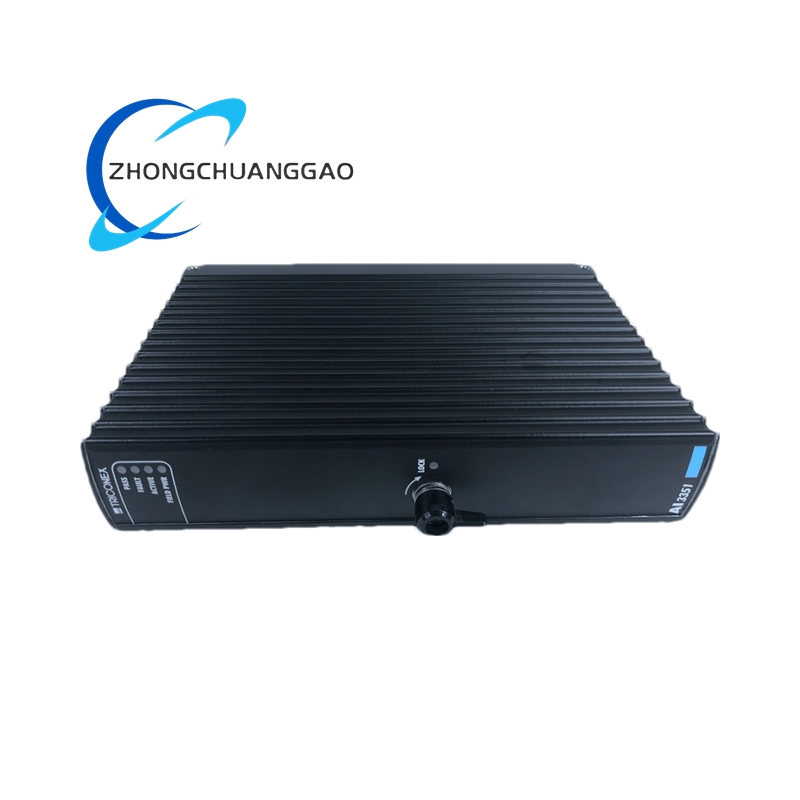
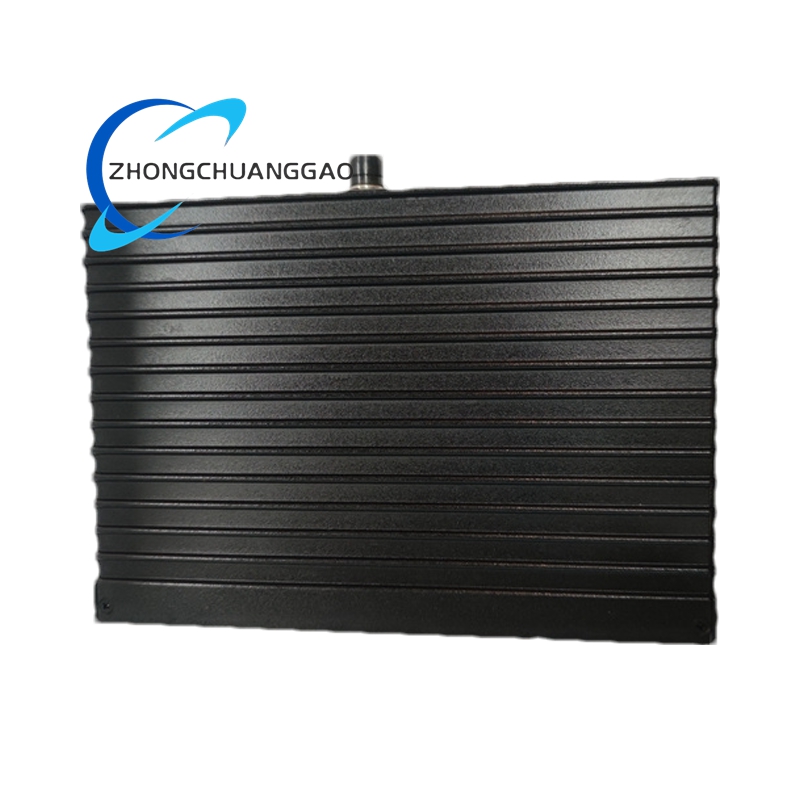
- Physical Dimensions: Approximately 200 mm × 150 mm × 50 mm or 215 mm × 303 mm × 89 mm (varies by version).
- Weight: Approximately 1.5 kg (3 kg with packaging).
- Material: Aluminum alloy housing for dust and corrosion resistance.
Functional Features
- Triple Modular Redundancy (TMR): Three independent channels operate in parallel, ensuring fault tolerance and continuous operation.
- Hot-Swappable Design: Modules can be replaced without shutting down the system, minimizing downtime.
- High Precision: 16-bit resolution and low-error rates ensure accurate signal conversion for precise control.
- Comprehensive Diagnostics: Real-time monitoring of module health with fault detection and alerts.
- Signal Isolation: Channel-to-channel isolation prevents cross-talk and improves reliability.
- Flexible Communication: Supports multiple industrial protocols for seamless integration with DCS and other systems.
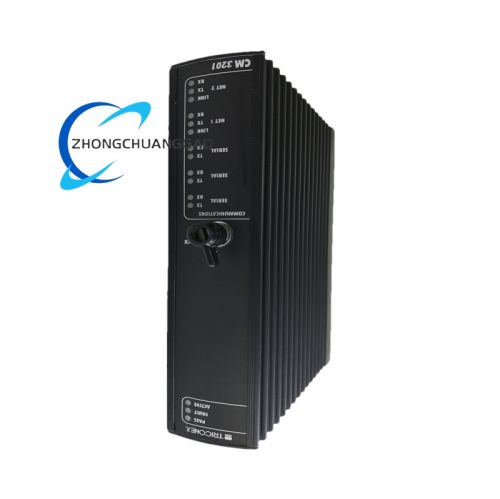
- Status Indicators: LEDs for each channel display PASS, FAULT, or ACTIVE status for easy troubleshooting.
Application Scenarios
- Safety Instrumented Systems (SIS): Used in emergency shutdown systems (ESD), fire and gas detection (F&G), and burner management systems (BMS) to ensure safe operation in oil and gas, chemical, and power generation industries.
- Process Control: Monitors critical process parameters in refineries, offshore platforms, and LNG terminals.
- Power Generation: Ensures safe operation in nuclear and thermal power plants with real-time monitoring of reactor and turbine parameters.
- High-Precision Manufacturing: Supports flexible conveyor systems in automotive and electronics assembly lines for precise product positioning.
- Marine & Offshore: Used in drilling rigs and production platforms for fault-tolerant control in harsh environments.
Advantages
- High Reliability: TMR architecture eliminates single points of failure, ensuring continuous operation.
- Cost Efficiency: Reduces long-term maintenance costs through modular design and self-diagnostics.
- Versatility: Integrates seamlessly with diverse industrial networks via multiple communication protocols.
- Robustness: Withstands extreme temperatures, humidity, and vibrations for reliable performance in harsh environments.
- Scalability: Easily expands to accommodate increasing control demands without system overhaul.
Reviews
There are no reviews yet.