
Product Short Description
- Technical Specifications
- Input Electrical Parameters
The common version adopts 24VDC nominal input voltage, with an operating voltage range of 15 – 30VDC and an absolute maximum input voltage of 33VDC. It also has variants that support 115VAC/VDC. It typically has 32 common – ground digital input channels, and some versions come with 16 channels. The input delay is less than 10ms when switching between on and off states. The input impedance exceeds 30kΩ without a backplane and is 3kΩ when equipped with a backplane.
- Physical and Installation Parameters
Its shipping weight is 2 kilograms. The operating temperature range is -40°C to 70°C, and some versions can withstand storage temperatures up to 85°C. It adopts Triconex rack mounting and some models support DIN rail mounting. The housing is made of steel or aluminum alloy, with an IP67 protection level that can resist the impact of harsh industrial environments.
- Certification and Protocol Parameters
It meets safety standards such as IEC 61508 SIL 3 and ISA 84.00.01. It supports communication protocols including Modbus, OPC and DNP3, which facilitates seamless data interaction with other components in the entire control system.
- Input Electrical Parameters
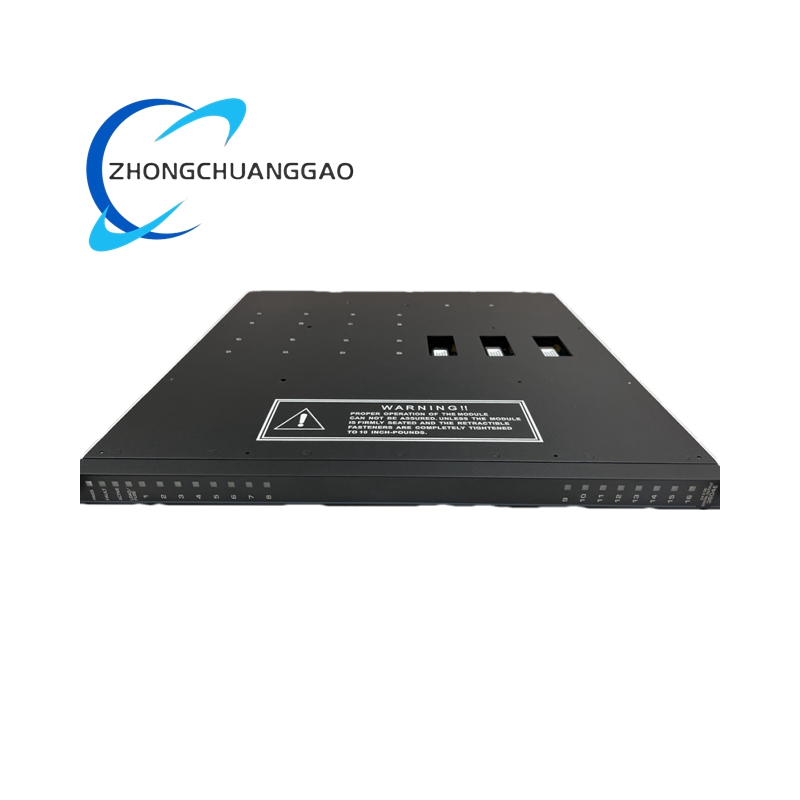
Description
- Functional Features
- TMR Architecture Compatibility for High Reliability
It supports the triple modular redundancy architecture of Triconex systems. Each digital input signal is processed through three independent and isolated internal channels of the module. The TMR processor uses a voting mechanism to verify the accuracy of the input signals. Even if one channel fails, the other two channels can ensure the correct transmission and processing of signals, avoiding system malfunctions caused by single – point failures.
- Comprehensive and Efficient Diagnostic Capabilities
It is equipped with forced – to – value diagnosis and channel fault diagnosis functions. The forced – to – value diagnosis function can test the connectivity and status of input points within less than 2ms, enabling timely detection of faults such as open circuits, short circuits and ground faults of signal lines. When a fault is detected, the module activates fault indicator lights and sends alarm signals to the system, helping technicians quickly locate and handle problems.
- Strong Environmental Adaptability
The module has excellent electromagnetic interference resistance, which can maintain stable signal collection and transmission performance even in industrial sites with severe electrical noise interference. Its wide operating temperature range and high – level protection grade allow it to operate normally in harsh environments with extreme temperature changes and high humidity, without being affected by harsh working conditions.
- Clear Status Indication and Easy Management
It is equipped with input status indication functions. Operators can intuitively observe the working status of each input channel through the indicator lights on the module. This visual design makes it convenient for on-site personnel to conduct daily inspections and quickly confirm whether the module is operating normally and whether the signal input is smooth.
- TMR Architecture Compatibility for High Reliability
- Application Scenarios
- Oil and Gas Industry
It is widely used in emergency shutdown systems of offshore oil drilling platforms and natural gas processing plants. It collects digital signals such as valve position status and gas leakage detector alarms. When a fire or gas leakage signal is detected, it quickly transmits the signal to the processor. The processor then executes emergency measures such as closing valves and cutting off fuel supply to prevent the spread of accidents. It is also applicable to long – distance oil and gas pipelines to monitor the switch status of pipeline emergency cut-off devices in real time.
- Petrochemical and Chemical Industry
In ethylene cracking units and chemical fertilizer production plants, it is connected to emergency stop buttons beside cracking furnaces, toxic gas detectors in the plant area and limit switches of emergency drain valves. It collects real – time digital signals and transmits them to the safety instrumented system. When abnormal signals occur, the system can quickly trigger interlocking actions such as cutting off raw material supply and activating emergency cooling, ensuring the safety of chemical reaction processes.
- Power and Nuclear Industry
In thermal power plants, it is integrated into boiler and steam turbine safety control systems to collect status signals of safety valves and pressure switches. It helps the system detect abnormal equipment operation in a timely manner and avoid major power generation accidents. In nuclear power plants and nuclear waste treatment facilities, it is used in the safety monitoring system to collect digital signals of key equipment status. It ensures the stable operation of nuclear – related equipment through reliable signal transmission and redundant design, preventing nuclear safety hazards.
- Metallurgical and Pharmaceutical Industry
In the metallurgical industry, it is applied to the safety interlocking system of blast furnaces and steel rolling equipment. It collects signals such as the position of furnace door switches and the status of cooling system pumps. It can quickly respond to equipment faults and avoid accidents such as furnace body damage. In pharmaceutical factories, it is used in production processes that require strict safety control. It collects signals such as the switch status of sterile workshop access doors and the operation status of mixing equipment to ensure that the pharmaceutical production process meets safety and quality standards.
- Oil and Gas Industry
Reviews
There are no reviews yet.