
Product Short Description
Technical Specifications
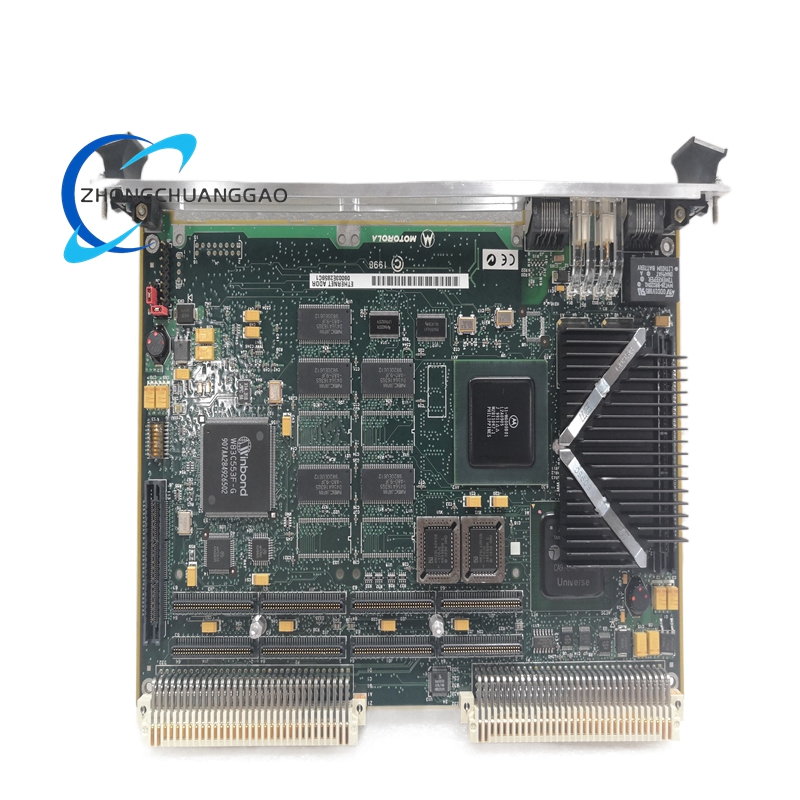
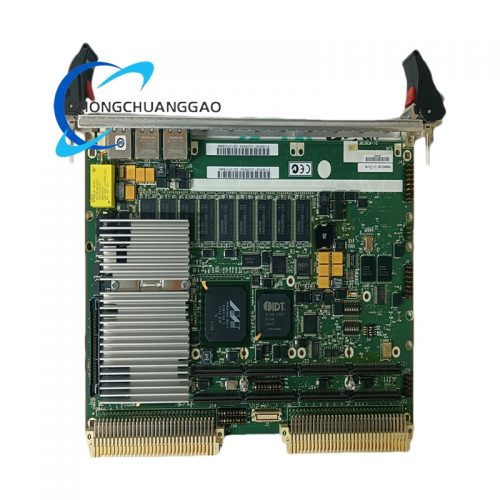
- Microprocessor: Motorola PowerPC 750 (32-bit, up to 450 MHz)
- Cache: 32KB L1 cache, 1MB backside L2 cache
- Memory: 32MB to 512MB ECC SDRAM (error-correcting code for data integrity)
- Firmware: Up to 1MB onboard flash memory (user-configurable)
- PMC Slots: Two 32/64-bit PMC expansion slots (compliant with IEEE P1386.1)
Description
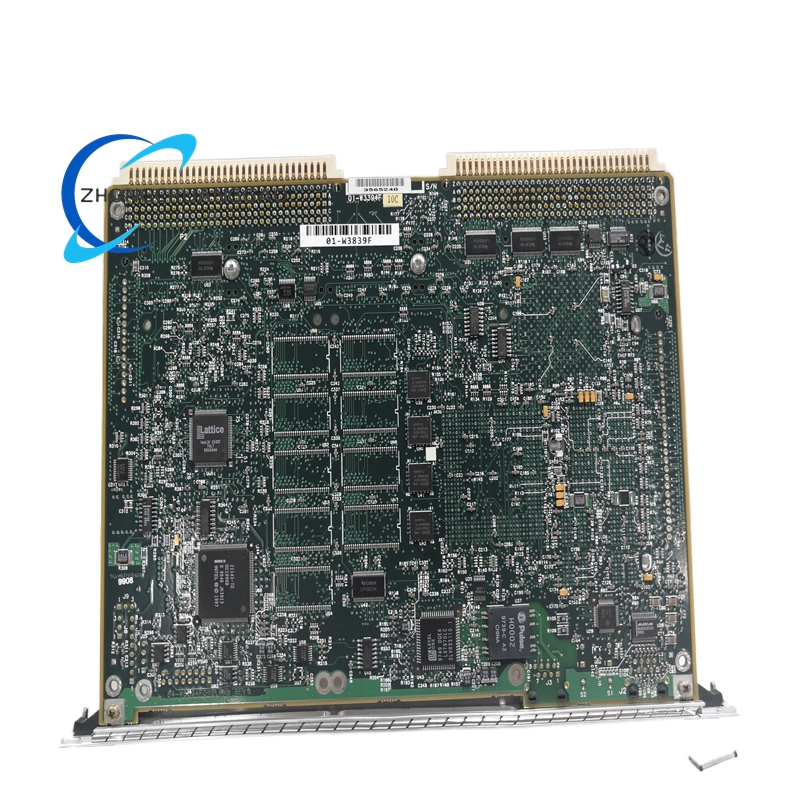
- Connectors: 64-bit PCI expansion mezzanine connector, VME64 extension connector (5-row 160-pin DIN replaces traditional 3-row 96-pin connectors)
- Storage: 8K x 8 NVRAM with replaceable backup battery for clock and data retention
- Debugging: Onboard diagnostic monitor with self-test functionality, asynchronous serial debug port
- Timers: Four 32-bit timers, one 16-bit watchdog timer
- Ethernet: 10/100 Mb/s Ethernet interface
- VMEbus Support: 4-level requester, 7-level interrupter, and 7-level interrupt handler
- Operating Temperature: -20°C to +60°C (industrial-grade)
Functional Characteristics
- High Performance: The PowerPC 750 microprocessor delivers fast computational speed and efficient power consumption, suitable for real-time control and data processing.
- Customizable I/O: Dual PMC slots allow users to add specialized I/O cards (e.g., analog/digital I/O, communication interfaces) to meet evolving application needs.
- Enhanced Connectivity: VME64 extension connectors provide additional I/O pins (Z and D rows) for expanded functionality and backward compatibility with existing VME systems.
- Reliable Data Handling: ECC SDRAM ensures data integrity, while NVRAM with battery backup retains critical data during power failures.
- Flexible Architecture: The PowerPlus II architecture optimizes processor, PCI, and VMEbus interactions to reduce latency and improve overall system performance.
- Easy Debugging: Built-in diagnostic tools and serial debug port simplify system development and troubleshooting.
Application Scenarios
- Industrial Automation: Controls complex machinery, such as CNC machines, robotic arms, and conveyor systems, ensuring precise and reliable operation.
- Military and Aerospace: Used in avionics, radar systems, and missile guidance for high-performance, real-time control under harsh conditions.
- Telecommunications: Manages network equipment, such as routers and switches, requiring high-speed data processing and low latency.
- Scientific Research: Supports data acquisition and control in large-scale experiments, such as particle accelerators and astronomical telescopes.
- Energy Management: Monitors and controls power generation and distribution systems, including gas turbines and smart grid applications.
Reviews
There are no reviews yet.