
Product Short Description
Product Introduction
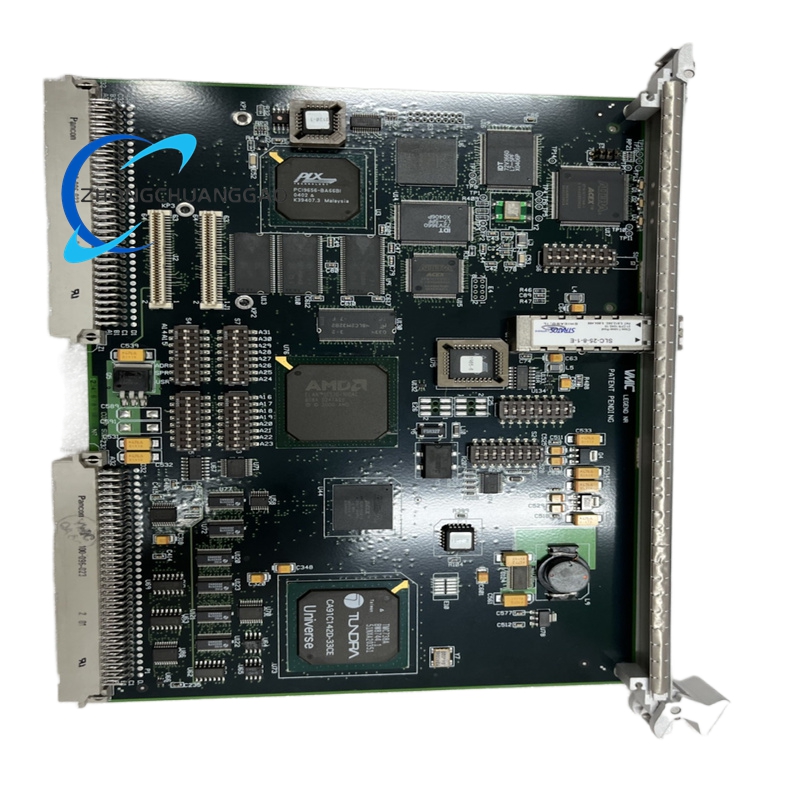
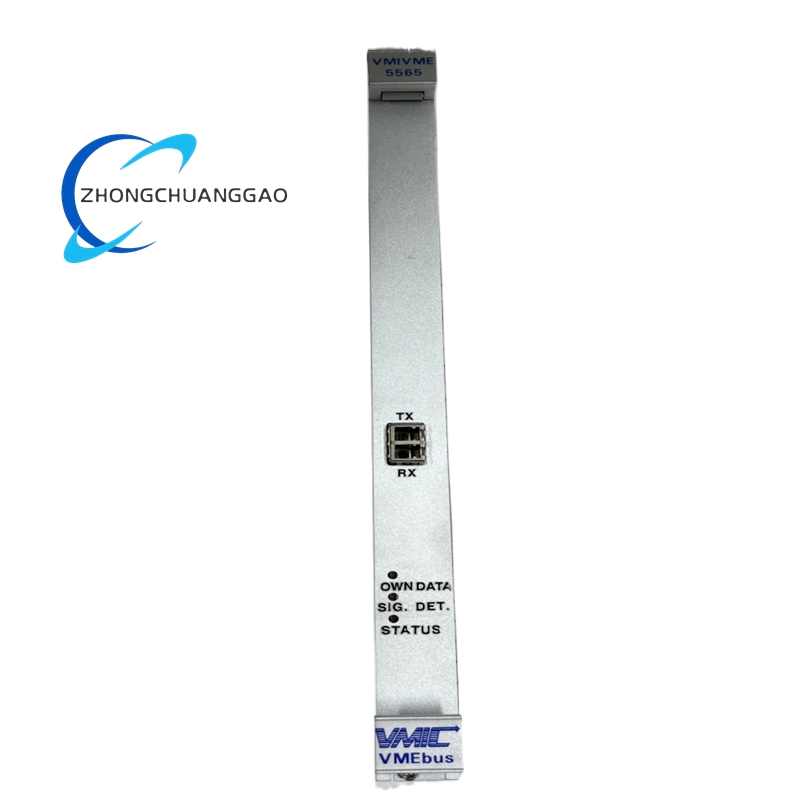
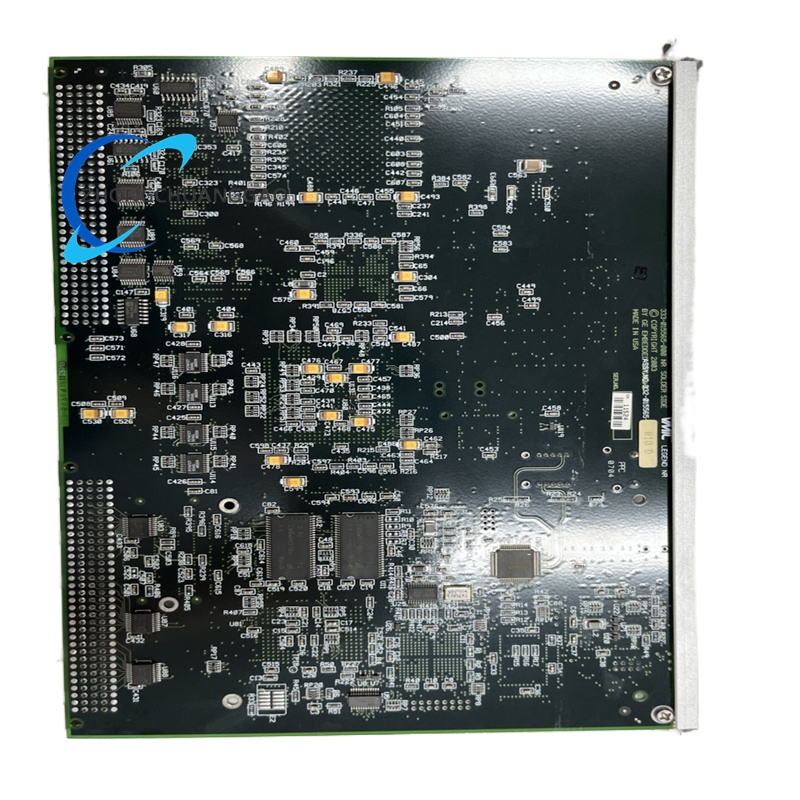
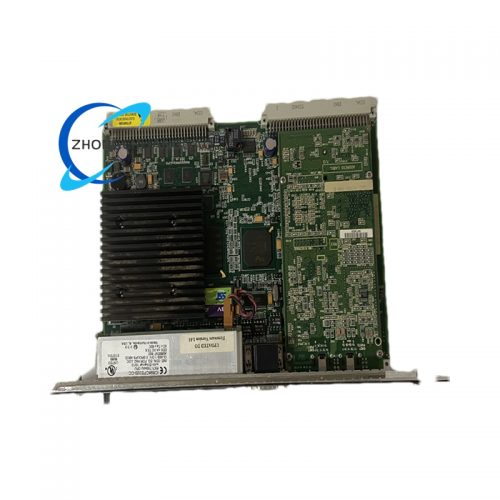
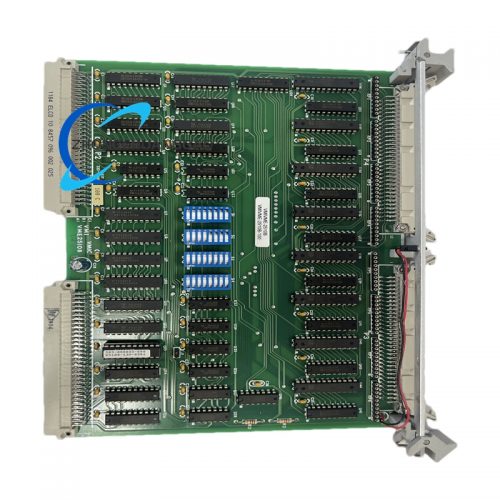
The GE VMIVME-5565 is a high-performance, industrial-grade VMEbus reflective memory node card engineered for deterministic, low-latency, real-time data sharing across distributed computing systems. It establishes a fiber-optic network where data written to local memory on one node is automatically mirrored to all other nodes on the network, creating a single, coherent shared memory space. This module eliminates processor overhead for data transfers, supports up to 256 interconnected nodes, and delivers sustained data rates up to 170 Mbyte/s. Designed for mission-critical applications, it provides transparent, reliable, and high-bandwidth communication between VMEbus-based systems, making it ideal for synchronized control, simulation, and data acquisition in harsh industrial and embedded environments.
Description
Technical Specifications
Core Reflective Memory Performance
- Network Type: Fiber-optic reflective memory network (2.12 Gbaud serial bit rate)
- Node Capacity: Supports up to 256 independent nodes per network
- Data Transfer Rate: 43 Mbyte/s (4-byte packets) to 170 Mbyte/s (64-byte bursts) (non-redundant)
- Redundant Transfer Rate: 20 Mbyte/s to 87 Mbyte/s (for enhanced error resilience)
- On-Board Memory: 64 Mbyte or 128 Mbyte SDRAM (configurable)
- VMEbus Transfer Rate: Up to 40 Mbyte/s
- DMA Channels: Two independent DMA channels for high-efficiency data movement
- Packet Size: Dynamic, 4 to 64 bytes of data per packet
- Data Integrity: Built-in error detection and redundant transfer mode for data reliability
Fiber-Optic Interface
- Connector: Front-panel fiber-optic transceiver (RX/TX)
- Fiber Support: Multimode fiber (up to 300 meters) or single-mode fiber (up to 10 kilometers)
- Link Redundancy: Optional dual-fiber redundant links for fault tolerance
VMEbus Interface
- Bus Standard: VMEbus slave interface (A24/D32)
- Addressing: Configurable via on-board jumpers for flexible memory mapping
- Data Transfer: Supports 8-bit, 16-bit, and 32-bit data transfers; burst-mode access
- Control/Status Registers: Dedicated registers for network configuration, diagnostics, and interrupt management
Physical & Electrical
- Form Factor: Single-slot 6U VMEbus Eurocard
- Connectors: Front-panel fiber-optic ports; VMEbus P1/P2 backplane connectors
- Power Input: +5 VDC (±5%) from VME backplane
- Power Consumption: Max 5.0 A @ 5 VDC (25 W)
- Weight: Approx. 0.7 kg
- Compliance: CE, FCC, RoHS
Environmental Ratings
- Operating Temperature: 0°C to +65°C (with forced air cooling)
- Storage Temperature: -40°C to +85°C
- Relative Humidity: 20%–80% RH (non-condensing)
- Vibration: 5 g RMS (10–500 Hz)
- Shock: 30 g (11 ms half-sine)
Software & Compatibility
- Drivers: Included VMISFT-RFM2G network and shared memory driver
- Operating System Support: Windows NT®, Windows® 2000, VxWorks®, Linux®
- Programming Model: Transparent memory access; no custom protocol development required
Key Features
- Deterministic Real-Time Performance: Delivers predictable, low-latency data transfers for time-critical applications.
- Transparent Data Sharing: Data writes are automatically mirrored across all nodes; no processor intervention needed.
- High Bandwidth: Sustained throughput up to 170 Mbyte/s for large dataset transfers.
- Massive Scalability: Supports up to 256 nodes, enabling large-scale distributed systems.
- Long-Distance Connectivity: Fiber-optic links extend up to 10 km with single-mode fiber.
- Dual DMA Engines: Accelerates data movement and reduces host CPU load.
- Redundant Operation: Optional redundant data paths enhance system fault tolerance.
- Error Detection: Built-in mechanisms ensure data integrity across the network.
- Flexible Memory Configurations: 64 MB or 128 MB onboard SDRAM options.
- Wide OS Compatibility: Seamless integration with major real-time and general-purpose operating systems.
- Rugged Industrial Design: Operates reliably in demanding environments with wide temperature and vibration tolerance.
Application Scenarios
- Real-Time Simulation: Flight simulators, driving simulators, and hardware-in-the-loop (HIL) test systems requiring synchronized data across multiple compute nodes.
- Industrial Automation: Distributed control systems (DCS) for manufacturing, process control, and robotics with coordinated motion control.
- Aerospace & Defense: Avionics data networks, mission computers, and radar/sensor data fusion systems.
- Test & Measurement: High-speed data acquisition (DAQ) systems and automated test equipment (ATE) with multi-node synchronization.
- Power & Energy: Smart grid control, wind turbine farm management, and power plant distributed control.
- Transportation: Railway signaling systems, marine vessel control, and heavy equipment monitoring networks.
- Telecommunications: High-availability data centers and real-time signal processing clusters.
- Research & Development: Scientific computing, particle accelerator control, and large-scale experimental data sharing.
Reviews
There are no reviews yet.