It serves as a distributed control unit with 4 digital inputs, 4 analog inputs and 4 relay outputs. It can distribute I/O modules to different locations of the production site. This distributed design eliminates the limitations of centralized control and enables precise control of scattered equipment, enhancing the flexibility of the entire control system.
It is equipped with an RS-485 serial port and supports multiple mainstream industrial communication protocols including Modbus RTU, Modbus TCP/UDP and PROFINET. These protocols allow seamless data exchange and integration with upper-level computers, PLCs and other automation equipment, ensuring the controller can be smoothly incorporated into existing industrial control ecosystems.
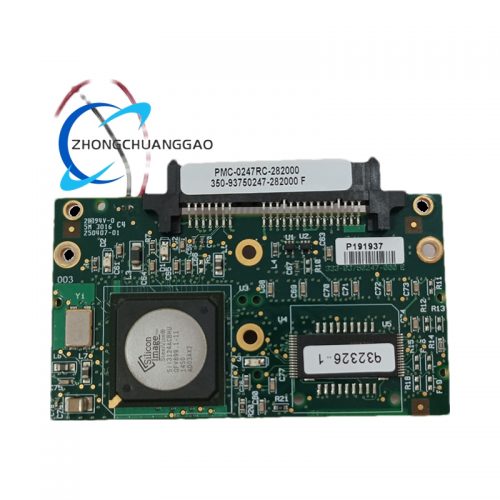
It functions as a coprocessor that undertakes partial control tasks. It reduces the scanning time pressure on the host PLC and significantly improves the overall operational efficiency of the system. It provides comprehensive diagnostic data that enables maintenance personnel to monitor the operating status of the system in real time, quickly identify fault points and shorten maintenance downtime.
Its modular design allows flexible combination and expansion of I/O modules based on actual application needs. Users do not need to reconfigure the entire system when increasing or modifying control points. It can be configured and programmed through handheld programmers, professional software or PLCs, and the simple operation process lowers the threshold for later maintenance and debugging.
It is widely used in automobile assembly lines, electronic component workshops and machinery processing plants. It connects robotic arms, CNC machine tools and conveyor belt systems. It controls the operation rhythm of equipment and collects real-time data such as processing accuracy and operation status. It ensures the coordination and stability of the production line and improves production efficiency and product qualification rates.
It is applied to power plants, oil and gas fields and water treatment facilities. In power plants, it monitors the operating parameters of generators and transformers. In oil fields, it connects pressure and flow sensors on pipelines to control the operation of pumping equipment. In water treatment plants, it regulates the operation of dosing pumps and water pumps to ensure stable operation of energy and water treatment processes.
It plays a role in railway signal systems, port loading and unloading equipment and airport ground support systems. It controls the switching of railway signals to ensure the safe operation of trains. It also regulates the operation of port gantry cranes and airport luggage conveying equipment, realizing automated control of transportation-related equipment and improving operation efficiency and safety.
It is integrated into the control systems of large shopping malls, high-rise office buildings and intelligent communities. It controls and regulates central air conditioning, lighting and ventilation systems. It adjusts equipment operating parameters according to changes in indoor temperature and personnel flow. It achieves precise management of building energy consumption and enhances the comfort of the indoor environment while reducing energy waste.
It is used in the supporting control systems of medical equipment such as large-scale diagnostic instruments and pharmaceutical production lines. It monitors key parameters such as temperature and pressure during the operation of medical equipment. It ensures the stable and accurate operation of the equipment. In pharmaceutical production lines, it controls the mixing speed and material delivery volume to ensure pharmaceutical production meets strict medical quality standards.
Reviews
There are no reviews yet.