Product Short Description
Technical Specifications
- Electrical Parameters
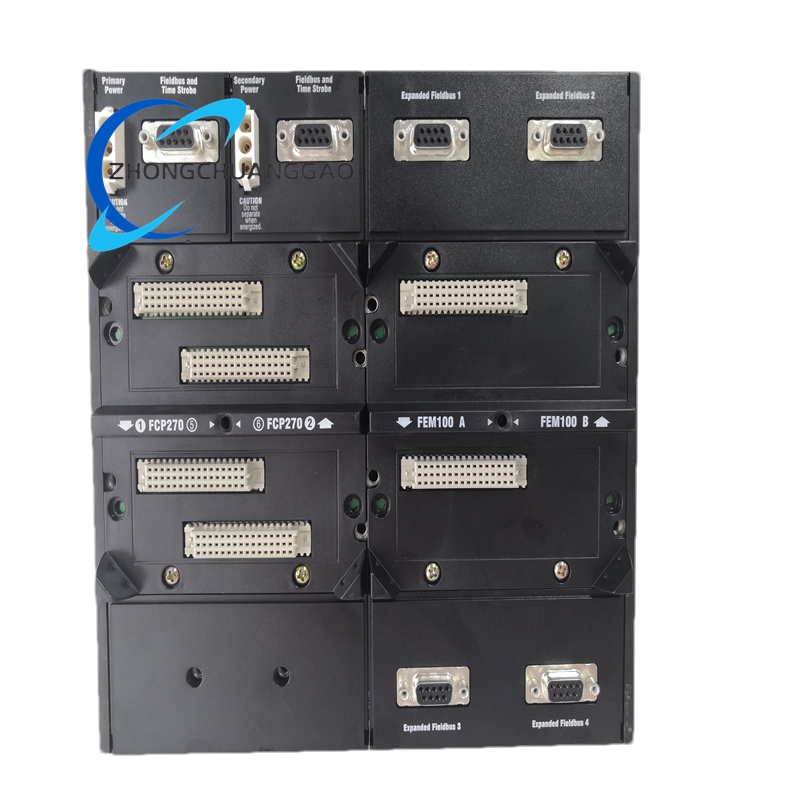
- It is configured with primary and secondary 24V DC power connections, which ensures continuous and stable power supply for the installed modules and avoids system interruptions caused by single power path failures.
- It supports the Modbus RTU communication protocol and adopts an RS485 network topology, with a maximum of 32 nodes and a cable transmission length of up to 2000 meters, enabling long-distance and multi-node data transmission.
- It connects to standard fieldbus modules at 2Mbps and 100 series fieldbus modules at 268kbps, matching the communication rate requirements of different types of modules.
- It provides an optional GPS time strobe connection interface, which is applicable to the baseplates of devices such as FCP 280 and FDC 280 to meet the time synchronization needs of high-precision control systems.
- Physical Parameters
- It has dimensions of 8.50 x 9.25 x 1.75 inches and a weight of 1.60 lbs, featuring a compact structure that is convenient for layout in control cabinets.
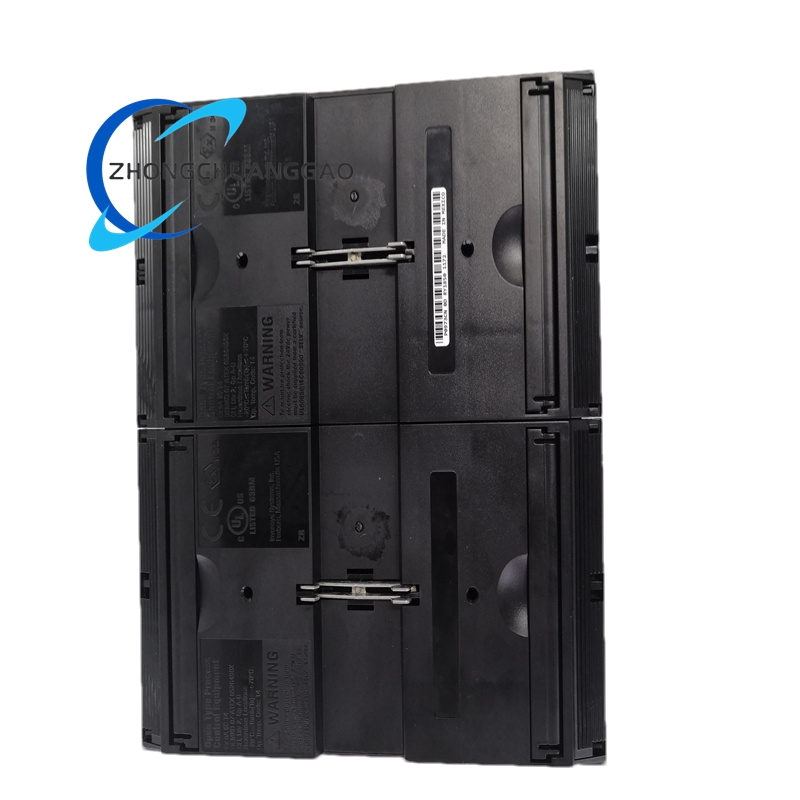
- It is made of aluminum alloy and polycarbonate, and has an IP66 protection level, which can effectively resist dust erosion and water splashing and protect internal connection components.
- It supports three installation methods: horizontal DIN rail mount, vertical DIN rail mount, and horizontal or vertical DIN rail mount with the baseplate kept horizontal.
Description
- Environmental Parameters
- Its operating temperature range is -40°C to 70°C, and the storage temperature ranges from -55°C to 85°C, adapting to extreme temperature conditions in both on-site operation and warehouse storage.
- It maintains stable performance in high-humidity, dusty and other harsh industrial environments, without being affected by common on-site environmental interference factors.
Function Features
- Strong Compatibility with Multiple Modules
It is highly compatible with various modules of the Foxboro Evo system, including field control processors such as FCP 280 and FCP 270, field device controller FDC 280, field communication modules like FCM 100ET and FCM 100E, as well as fieldbus expansion modules and isolator/filter modules. The keyed positions dedicated to specific CP-type modules prevent incorrect insertion of modules and ensure accurate and reliable connections.
- Flexible Expansion Capability
It is equipped with up to 16 slots that can accommodate multiple expansion modules at the same time. Users can add I/O modules, communication modules and other functional modules according to actual business needs, which directly expands the data processing capacity and control functions of the original system without large-scale modification of the existing control framework.
- High Reliability and Stable Operation
The passive backplane design of the module reduces the risk of active component failures, greatly improving the stability and anti-interference ability of signal and power transmission. The dual 24V DC power input design ensures uninterrupted power supply for the entire backplane and the installed modules, and its rugged material and sealed structure further enhance its ability to withstand harsh industrial environments.
- Easy Installation and Maintenance
The modular design and multiple DIN rail installation options simplify the on-site assembly process. When a certain connected module malfunctions, it can be quickly removed and replaced from the corresponding slot without affecting the normal operation of other modules. Meanwhile, its backward compatibility with existing I/O subsystems avoids the need for overall replacement of the original system during upgrades, reducing maintenance costs and downtime.
Application Scenarios
- Oil and Gas Industry
It is widely used in oil drilling platforms and refineries. It serves as a backplane to connect modules that monitor parameters such as oil pressure, pipeline temperature and gas flow. It integrates the collected on-site signals and transmits them to the central control system, which adjusts the operation of valves and pumps in real time according to the data to ensure the safety and efficiency of oil and gas extraction, transportation and refining processes.
- Chemical Manufacturing Industry
It is installed in the control system of chemical workshops, matching with modules that monitor reactor temperature, material concentration and distillation tower pressure. It provides stable installation and signal transmission channels for these modules, ensuring that key process parameters are accurately fed back to the upper-level controller. The controller relies on these data to regulate feeding speed and reaction time, avoiding safety accidents caused by parameter deviations.
- Power Industry
It is applied in thermal power plants and hydropower stations, carrying modules responsible for monitoring boiler temperature, steam turbine pressure and cooling water flow. It realizes the integrated transmission of power and data between each monitoring module and the central control platform. The platform adjusts fuel injection volume and cooling system parameters based on the transmitted data to maintain the stable operation of power generation equipment and ensure continuous power supply to the power grid.
- Food and Beverage Industry
It is integrated into food processing production lines such as dairy pasteurization and beverage filling. It connects modules that monitor parameters like sterilization temperature, ingredient mixing ratio and filling flow. It ensures the stable transmission of data in each production link, allowing the control system to adjust equipment operation in a timely manner, which helps maintain consistent product quality and meet strict food safety production standards.
- Papermaking Industry
It is used in papermaking and pulp production workshops. It is matched with modules that collect signals such as pulp concentration, roller temperature and paper machine speed. It provides reliable signal and power transmission support for these modules, enabling the control system to precisely regulate the papermaking process. This ensures the uniformity of paper thickness and quality, and improves the stability and efficiency of the papermaking production line.
Reviews
There are no reviews yet.