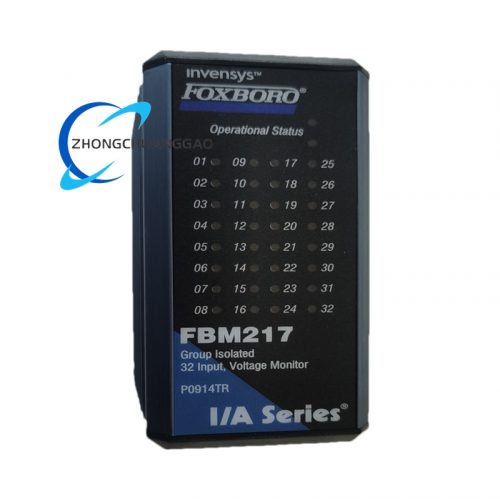
Product Short Description
Technical Specifications
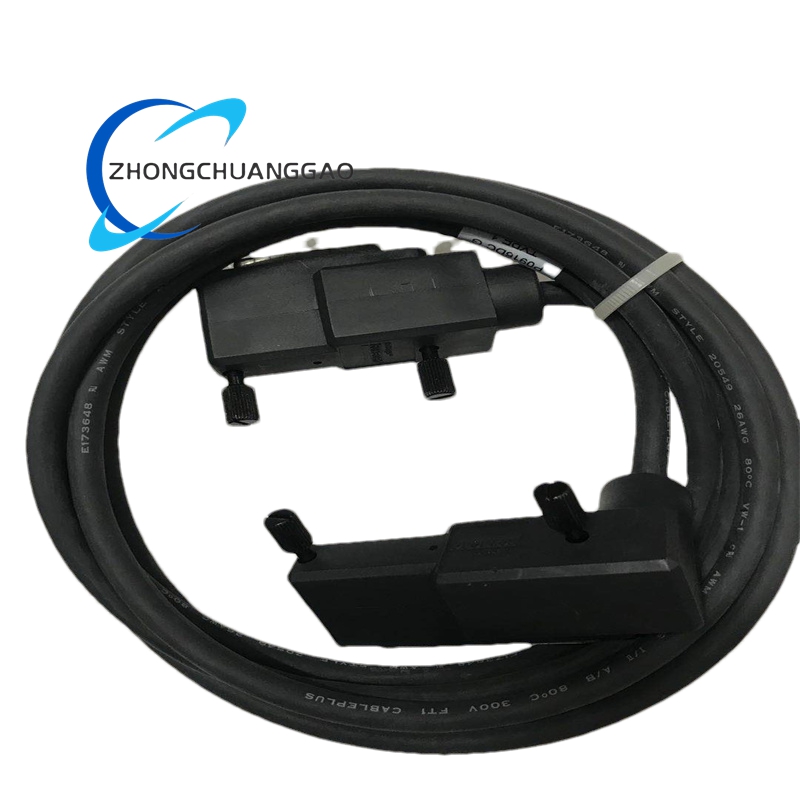
- Cable and Termination Parameters
- It features a fixed length of 3 meters, which is equivalent to 9.8 feet, matching the typical distance requirements between field instruments and control cabinets in most industrial installations.
- The cable adopts Type 1 termination, a design recognized for its robust connection performance in industrial environments and its ability to maintain stable contact even under mechanical stress.
- The cable conductor uses high-conductivity copper material, and the insulation layer is made of flame-retardant and wear-resistant PVC, which prevents signal interference and external damage.
- Electrical Performance Parameters
- It supports signal transmission for industrial standard instruments, including 4 – 20mA analog signals and discrete digital signals, compatible with common signal types of pressure transmitters, temperature transmitters, and limit switches.
- It has a rated voltage of 300 volts alternating current, meeting the electrical safety requirements of industrial control circuits, and a maximum current-carrying capacity of 2 amperes to adapt to the power supply needs of small to medium-sized field instruments.
- The cable has a low signal attenuation rate, with a signal loss of less than 0.5% per meter during analog signal transmission, ensuring the accuracy of data collected by the control system.
Description
- Environmental Adaptability Parameters
- The operating temperature range spans from -40°C to 70°C, allowing it to work normally in both low-temperature outdoor equipment areas and high-temperature workshop environments.
- It operates stably in environments with a relative humidity of 0% to 95% without condensation, avoiding insulation failure caused by moisture accumulation.
- It has anti-vibration properties that can withstand continuous vibration in industrial production workshops, and the termination connection remains intact without loosening under standard industrial vibration intensity.
Function Features
- Stable Signal Transmission
The high-quality conductor and insulation materials minimize signal attenuation and electromagnetic interference during transmission. It ensures that analog signals reflecting process parameters and digital signals indicating equipment status are transmitted to the control system accurately and in real time. This stability prevents misjudgments or incorrect control instructions caused by distorted signals, safeguarding the normal operation of the entire production process.
- Durable Connection Structure
The integration of Type 1 termination creates a secure and tight connection between the cable and instruments or control units. This structure resists the effects of mechanical pulling and vibration during long-term industrial operations, avoiding connection loosening that could lead to communication interruptions. It reduces the frequency of maintenance and replacement caused by poor connections and extends the overall service life of the cable assembly.
- Broad Compatibility
The cable assembly is fully compatible with all equipment under Foxboro’s I/A Series distributed control system. It connects seamlessly with various field instruments such as pressure transmitters, temperature transmitters, flow meters, and discrete devices like pushbuttons and limit switches. It eliminates the need for additional adapters or conversion components, simplifying system integration and reducing the cost of equipment configuration.
- Harsh Environment Resistance
The industrial-grade material selection and structural design enable the cable assembly to resist the adverse effects of dust, moisture, and temperature fluctuations in industrial sites. It maintains performance integrity in harsh working conditions where ordinary cables may fail, ensuring uninterrupted signal transmission and providing reliable support for the continuous operation of industrial production lines.
Application Scenarios
- Petrochemical Industry
It is deployed in oil refineries, natural gas processing plants, and pipeline transportation systems. It connects field instruments such as pressure transmitters on pipelines and temperature sensors in distillation towers to the I/A Series control system. It transmits real-time data on oil pressure, gas flow, and refining temperature to the central control room. It allows operators to monitor key process parameters and adjust equipment operations promptly, preventing safety hazards such as pipeline leakage and over-temperature reactions.
- Power Generation Industry
In thermal power and hydropower plants, it is used in the control systems of boilers, steam turbines, and power distribution equipment. It links steam pressure sensors, generator load detectors, and switch status indicators to the main control system. It ensures the timely transmission of data such as steam temperature and power output. It helps the control system adjust fuel supply and turbine speed, maintaining stable power generation and ensuring the safe operation of the power grid.
- Water Treatment Industry
It is applied in urban sewage treatment plants and industrial wastewater treatment systems. It connects liquid level sensors in sedimentation tanks, pollutant concentration detectors, and dosing pump control switches to the automation control system. It transmits real-time signals about water level, pollutant content, and pump operation status. It enables the control system to precisely regulate the dosing amount and the operation of water treatment equipment, ensuring that the treated water meets environmental discharge standards.
- Chemical Industry
In chemical production workshops, it is used to connect instruments on reaction kettles, raw material storage tanks, and mixing equipment to the I/A Series DCS. It transmits signals such as chemical reaction pressure, raw material liquid level, and valve switching status. It ensures that the control system can monitor the entire production process in real time. It triggers timely adjustments to feeding speed and reaction temperature when parameters deviate, avoiding dangerous accidents such as overpressure explosions and chemical spills.
- Food and Beverage Industry
It is installed in automated production lines for food processing and beverage filling. It connects temperature sensors in baking equipment, pressure detectors in filling machines, and weight sensors in packaging lines to the control system. It transmits real-time data on processing temperature, filling pressure, and product weight. It helps the control system maintain consistent parameters across all production stages, ensuring product quality uniformity and complying with food safety production standards.
Reviews
There are no reviews yet.