
Product Short Description
Product Introduction
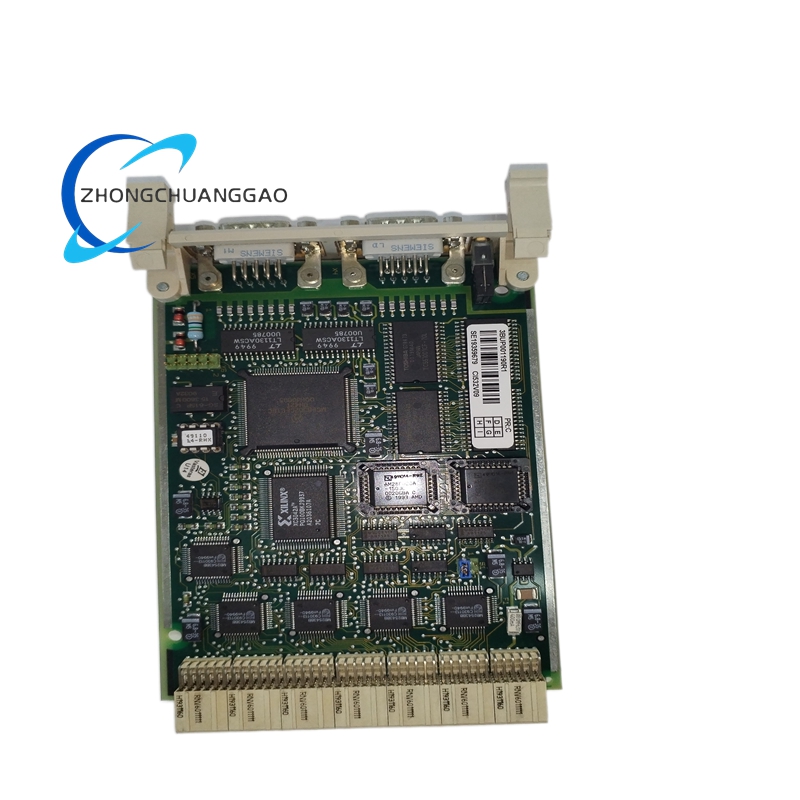
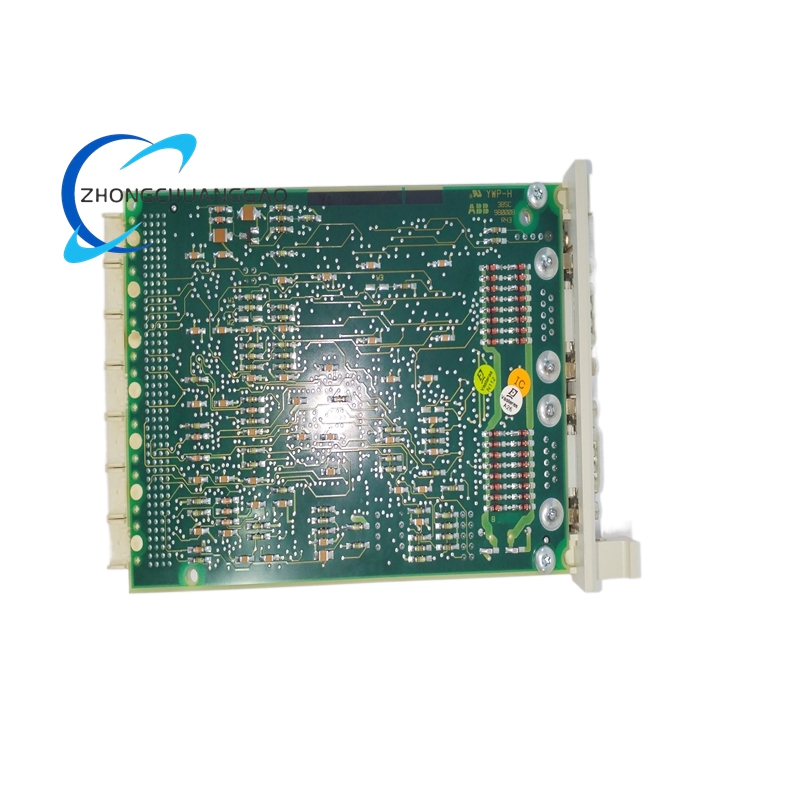
The ABB CI532V09 is a high-performance, industrial-grade communication interface module designed for seamless data exchange and protocol integration within modern industrial automation systems. It serves as a critical bridge between ABB control platforms (including PLCs, DCS, and legacy systems) and diverse field devices, supporting both legacy fieldbus and modern Ethernet-based communication protocols. Engineered for harsh industrial environments, this module enables reliable real-time data transmission, remote monitoring, and system integration, facilitating the migration of legacy PROFIBUS devices to modern PROFINET networks. It features direct Ethernet-based configuration, eliminating the need for additional hardware, and supports automatic GSDML file generation to simplify controller setup. The module is optimized for DIN-rail mounting, hot-swappable operation, and robust electromagnetic compatibility, making it ideal for factory automation, process control, and system modernization projects.
Description
Technical Specifications
Core Communication Parameters
- Product Type: Industrial Communication Interface Module
- Supported Protocols: PROFIBUS-DP, PROFINET IO, Ethernet/IP, Modbus TCP, RS485
- Physical Interfaces:
- 1 × RJ45 Ethernet port (10/100 Mbps)
- 1 × D-sub 9-pin PROFIBUS-DP port
- 1 × Terminal block RS485 port
- Communication Redundancy: Dual-port redundancy for PROFINET/Ethernet networks
- Data Transfer Rate: Up to 12 Mbps (PROFIBUS-DP), 100 Mbps (Ethernet)
- Galvanic Isolation: 2500 V AC isolation between communication ports and internal logic
- Bus Topology Support: Multi-drop, daisy-chain, star, and ring topologies
- Node Capacity: Supports up to 126 PROFIBUS-DP slaves and 64 PROFINET devices per network segment
Power & Electrical Specifications
- Supply Voltage: 24 V DC (±10%)
- Power Consumption: 5 W (typical)
- Input Protection: Overvoltage, reverse polarity, and short-circuit protection
- Isolation Voltage: 2500 V AC (communication side to logic side)
- Output Current: Up to 3 A for connected field devices
Physical & Environmental Specifications
- Dimensions: 265 mm (L) × 27 mm (W) × 120 mm (H)
- Net Weight: 0.2 kg
- Mounting: Standard 35 mm DIN-rail mounting (EN 60715)
- Enclosure Rating: IP20 (indoor cabinet-mounted installation)
- Operating Temperature: -20°C to +70°C
- Storage Temperature: -40°C to +85°C
- Relative Humidity: 5%–95% RH (non-condensing)
- Vibration Resistance: IEC 60068-2-6 (10–2000 Hz, 2 g)
- Shock Resistance: IEC 60068-2-27 (15 g, 11 ms)
- Material: Flame-retardant thermoplastic (UL 94 V-0)
- Color: Standard ABB industrial gray
Compliance & Certifications
- Standards: IEC 61000-6-2 (EMC immunity), IEC 61000-6-4 (EMC emission), IEC 61158 (fieldbus standards)
- Safety: EN 61010-1 (electrical equipment safety)
- Certifications: CE, UL, CSA, RoHS compliant
- Protocol Compliance: PROFIBUS DP V1, PROFINET IO V2.3, Ethernet/IP, Modbus TCP
Functional Features
1. Multi-Protocol Integration & Legacy Migration
- Dual Protocol Support: Simultaneously operates PROFIBUS-DP and PROFINET/Ethernet protocols, enabling seamless integration of legacy and modern devices.
- PROFIBUS-to-PROFINET Gateway: Acts as a transparent gateway, converting PROFIBUS-DP data to PROFINET IO without programming changes to legacy devices.
- Automatic GSDML Generation: Automatically generates GSDML files for PROFINET configuration, simplifying integration with modern controllers.
- Direct Ethernet Configuration: Supports configuration via Ethernet port without additional hardware or software tools.
- Legacy System Compatibility: Integrates with ABB Advant OCS, AC800M, 800xA, and third-party PLC systems.
2. High-Reliability Communication
- Redundant Network Operation: Dual Ethernet ports support redundant network configurations for maximum uptime and fault tolerance.
- Galvanic Isolation: Complete electrical isolation eliminates ground loops and protects against electrical noise and transient voltage spikes.
- Real-Time Data Handling: Deterministic communication with low latency for time-critical process control applications.
- Error Detection & Correction: Built-in CRC, data validation, and retransmission mechanisms ensure data integrity.
- Hot-Swappable Design: Allows module replacement during system operation, minimizing downtime and simplifying maintenance.
3. Advanced Diagnostics & Monitoring
- LED Status Indicators: Multi-color LEDs provide real-time visual feedback on power, communication status, and fault conditions.
- Comprehensive Fault Diagnostics: Detailed error logging and reporting for quick identification and resolution of communication issues.
- Network Health Monitoring: Continuous monitoring of bus performance, signal quality, and node connectivity.
- Remote Diagnostics: Supports remote access to module status and diagnostic data via the host control system.
- Alarm Notification: Generates system alarms for communication failures, device disconnects, and configuration errors.
4. Robust Industrial Design
- Wide Temperature Tolerance: Operates reliably in extreme industrial environments with temperature fluctuations.
- EMC Resilience: Superior electromagnetic compatibility ensures stable performance in electrically noisy industrial settings.
- Compact Form Factor: Space-saving design optimizes control cabinet space utilization.
- High MTBF: Industrial-grade components and construction ensure long service life and minimal maintenance.
- Shock & Vibration Resistance: Designed to withstand mechanical stress in industrial and mobile applications.
5. Flexible Configuration & Scalability
- Plug-and-Play Installation: Auto-detection and configuration of connected devices reduce commissioning time.
- Modular Architecture: Easily expandable to accommodate additional nodes and devices as system requirements grow.
- Multi-Topology Support: Adapts to various plant layouts with support for multiple network topologies.
- User-Friendly Configuration: Intuitive web-based interface for parameter setup and network management.
- Third-Party Device Compatibility: Integrates with a wide range of PROFIBUS and PROFINET devices from multiple manufacturers.
Application Scenarios
1. Factory Automation & Discrete Manufacturing
- Automotive Production: Integrates PLCs with robotic assembly lines, conveyors, and vision systems for efficient vehicle manufacturing.
- Food & Beverage Processing: Enables real-time control of mixing, packaging, and bottling lines with high-speed data exchange.
- Electronics Manufacturing: Connects SMT machines, pick-and-place robots, and test equipment in semiconductor and electronics production.
- Machine Tools: Provides communication between CNC controllers, drives, and I/O systems in metalworking facilities.
- Packaging Machinery: Integrates packaging lines with warehouse management systems for efficient material handling.
2. Process Automation & DCS Systems
- Oil & Gas Production: Controls and monitors drilling, extraction, and refining processes with reliable communication between distributed I/O and central controllers.
- Petrochemical Plants: Manages complex chemical processes, ensuring safe operation of reactors, distillation columns, and storage systems.
- Power Generation: Integrates with boiler, turbine, and generator control systems in thermal, hydro, and renewable power plants.
- Water & Wastewater Treatment: Facilitates communication between PLCs, SCADA systems, and field instruments for water purification networks.
- Pharmaceutical Manufacturing: Supports precise process control and data acquisition in regulated production environments.
3. System Modernization & Legacy Integration
- Legacy PROFIBUS Upgrade: Migrates existing PROFIBUS-DP networks to modern PROFINET infrastructure without replacing field devices.
- Multi-Vendor System Integration: Bridges communication between ABB control systems and third-party PLCs, drives, and instruments.
- Factory Network Expansion: Provides additional communication ports for expanding existing automation systems with new equipment.
- Retrofit Projects: Upgrades older industrial facilities with modern communication capabilities while preserving existing hardware investments.
- Hybrid System Architecture: Enables coexistence of legacy fieldbus and modern Ethernet networks in the same facility.
4. Building Automation & Infrastructure
- Smart Building Management: Integrates HVAC, lighting, and security systems in commercial buildings for centralized control.
- District Heating & Cooling: Monitors and controls energy distribution networks for residential and commercial complexes.
- Data Center Infrastructure: Connects power distribution units, cooling systems, and environmental monitors in data centers.
- Transportation Systems: Controls traffic management, railway signaling, and airport baggage handling systems.
- Mining Operations: Supports communication in harsh mining environments for equipment control and safety systems.
5. Marine & Offshore Applications
- Ship Automation: Ensures reliable communication on vessels for navigation, propulsion, and cargo handling systems.
- Offshore Platforms: Integrates control systems for drilling, production, and safety equipment in offshore oil and gas facilities.
- Port Automation: Connects container cranes, terminal operating systems, and logistics equipment in seaports.
- Subsea Control Systems: Provides communication for subsea production equipment and remote monitoring systems.
Reviews
There are no reviews yet.