
Product Short Description
Product Introduction
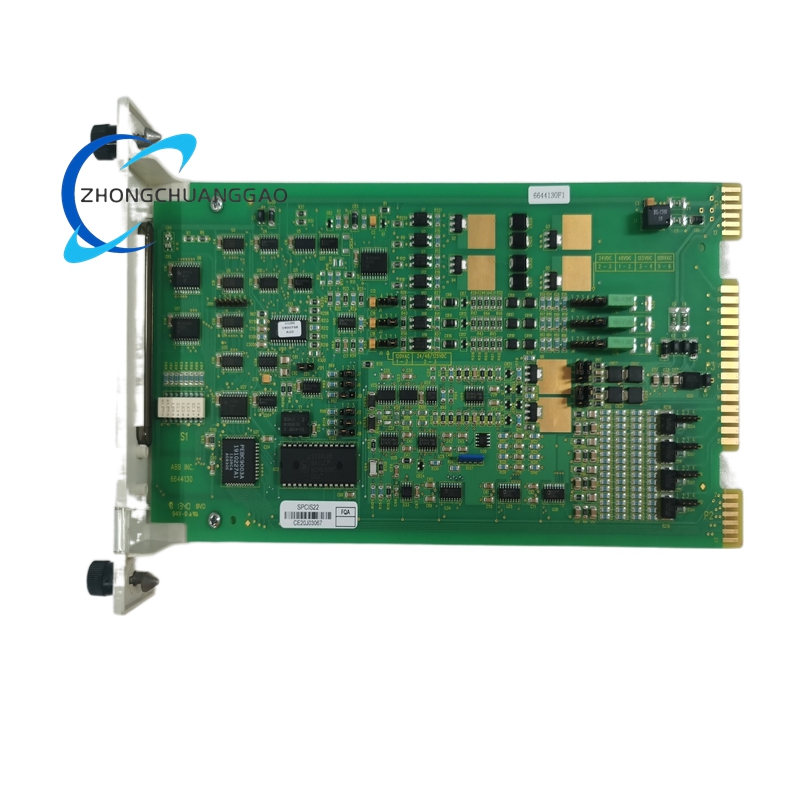
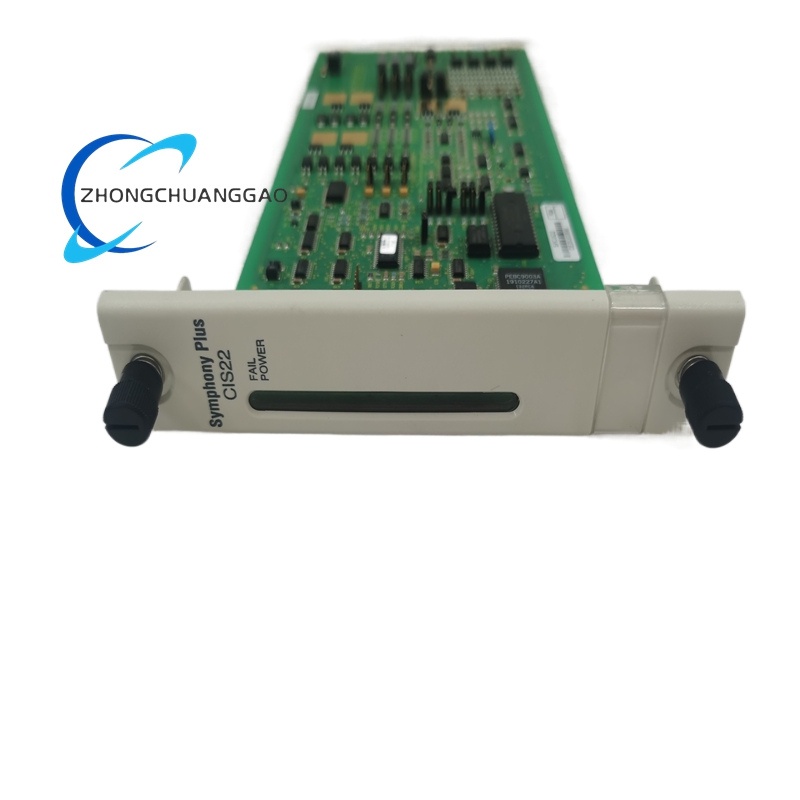
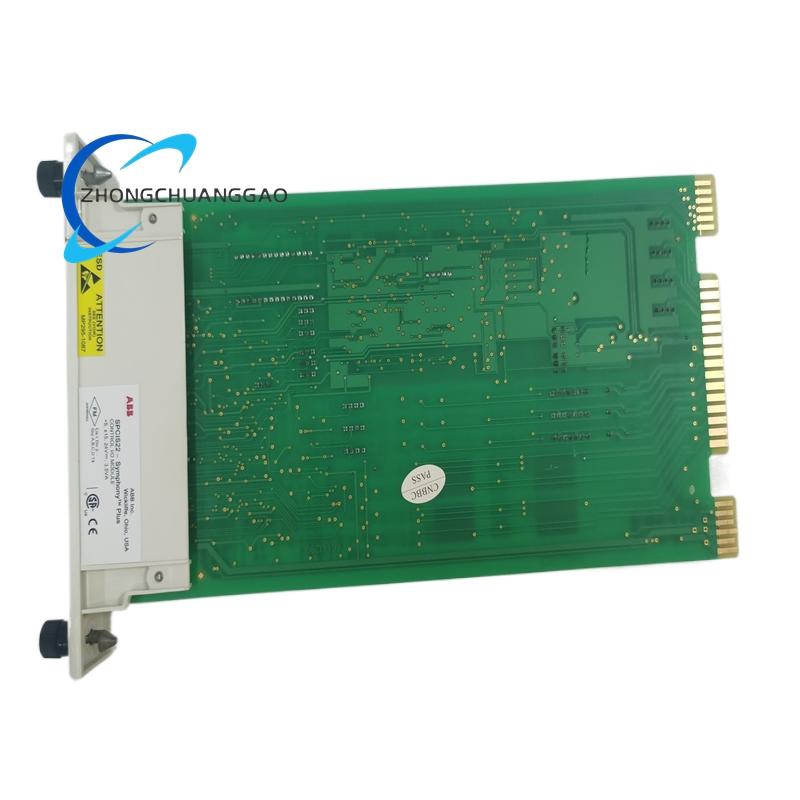
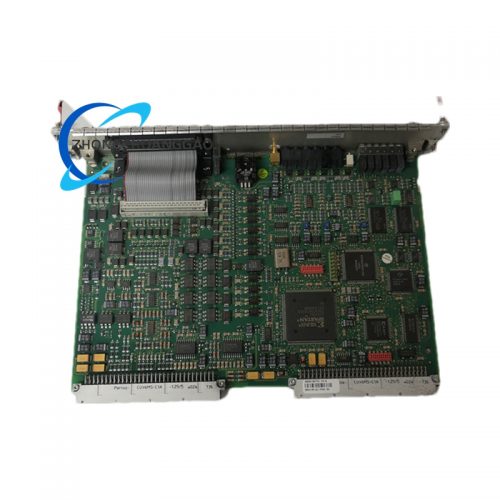
The ABB SPCIS22 is a compact, multi-channel control input/output slave module designed for seamless integration into ABB’s Symphony Plus, Symphony, and legacy INFI 90 distributed control systems (DCS). It serves as a critical interface between field sensors, actuators, and the central control processor, enabling reliable signal acquisition and precise control command execution. As the modernized successor to the Bailey INFI 90 IMCIS22, it maintains full backward compatibility while delivering enhanced performance, isolation, and diagnostic capabilities. This module is engineered for mission-critical industrial environments, providing a robust, space-efficient solution for mixed analog and digital signal processing in process automation.
Description
Technical Specifications
- Product Type: Control I/O Slave Module
- System Compatibility: ABB Symphony Plus, Symphony, INFI 90 DCS
- Input Channels:
- 4 Analog Inputs (AI): Configurable for 4–20 mA current or 0–10 V DC voltage signals
- 3 Digital Inputs (DI): 24 V DC logic level inputs
- Output Channels:
- 2 Analog Outputs (AO): Configurable for 4–20 mA current or 0–10 V DC voltage signals
- 4 Digital Outputs (DO): 24 V DC switching outputs
- Isolation: Full galvanic isolation between channels and system bus (1500 V AC)
- Accuracy: ±0.1% of full-scale for analog signals
- Update Rate: Fast analog/digital update cycle (< 10 ms)
- Power Supply:
- Logic Power: +5 V DC ±5%
- Field Power: +24 V DC (20.4–28.8 V DC)
- Power Consumption: Typical 3 W, maximum 4 W
- Physical Dimensions: 350 mm (L) × 260 mm (W) × 70 mm (H)
- Net Weight: 0.45 kg
- Mounting: Panel-mount or rack-mount (19-inch industrial cabinet compatible)
- Environmental Ratings:
- Operating Temperature: -20°C to +60°C
- Humidity: 5%–95% RH (non-condensing)
- Vibration/Shock: Compliant with IEC 60068 industrial standards
- EMC Protection: Built-in shielding for industrial electromagnetic interference resilience
- Certifications: CE, UL, IEC 61010 safety compliance, RoHS
- Alternate Part Numbers: IMCIS22, IMCIS22R, YSPCIS22, SPCIS22-REP
Key Features
Mixed Signal Integration
- Combined I/O Design: Integrates 4 AI, 3 DI, 2 AO, and 4 DO channels in one module, minimizing cabinet space and simplifying system wiring.
- Flexible Signal Configuration: Analog channels support both current (4–20 mA) and voltage (0–10 V) modes via software selection, adapting to diverse field device requirements.
- Isolated Signal Paths: Galvanic isolation eliminates ground loops and cross-channel interference, ensuring signal integrity in electrically noisy industrial environments.
Seamless DCS Compatibility
- Legacy & Modern System Support: Fully compatible with INFI 90, Symphony, and Symphony Plus DCS architectures, facilitating easy upgrades and system expansions.
- High-Speed Bus Communication: Connects directly to the system backplane, enabling real-time data exchange with the control processor.
- Hot-Swappable Design: Allows module installation, removal, or replacement without shutting down the entire control system, reducing downtime during maintenance.
Reliability & Diagnostics
- Continuous Self-Monitoring: Onboard diagnostics track channel status, power supply health, and communication integrity, providing real-time fault alerts.
- LED Status Indicators: Visual feedback for power, communication, and individual channel faults for quick on-site troubleshooting.
- Industrial-Grade Durability: Rugged construction designed for 24/7 operation in harsh process environments, with high resistance to temperature extremes and mechanical stress.
Easy Configuration & Maintenance
- Software Configuration: Full parameterization, calibration, and channel setup via ABB’s system engineering tools (e.g., Control Builder M).
- Standardized Mounting: Fits standard 19-inch racks and supports panel mounting for flexible installation options.
- Backward Compatibility: Direct replacement for legacy IMCIS22 modules, preserving existing wiring and system configurations.
Application Scenarios
Oil & Gas Industry
- Refinery Control: Monitoring and controlling pressure, temperature, and flow in distillation columns, catalytic crackers, and pipeline systems.
- Offshore Platforms: Signal interfacing for production separators, pump controls, and safety shutdown systems in marine environments.
- Pipeline Operations: Analog input for flow meters and digital output for valve actuators in long-distance transmission networks.
Power Generation
- Thermal Power Plants: Control signals for boiler feedwater pumps, steam turbine valves, and flue gas treatment systems.
- Hydroelectric Facilities: Monitoring water level sensors and controlling guide vane actuators for turbine speed regulation.
- Renewable Energy: Grid interconnection control for wind farms and solar power plants, managing inverter output and grid synchronization.
Chemical & Pharmaceutical Manufacturing
- Continuous Process Plants: Precise control of reactor feed rates, pH adjustment, and temperature regulation in chemical synthesis.
- Batch Processing: Digital control for automated material handling and analog monitoring of critical process parameters in pharmaceutical production.
- Hazardous Area Applications: Isolated signal handling for processes involving flammable or toxic materials.
Water & Wastewater Treatment
- Municipal Water Plants: Analog input for water quality sensors and digital output for chemical dosing pumps and filter valves.
- Wastewater Facilities: Control of aeration blowers, sludge pumps, and UV disinfection systems based on real-time sensor data.
- Desalination Plants: Monitoring pressure and flow in reverse osmosis systems and controlling high-pressure pump operations.
Metals & Mining
- Steel Mills: Signal interfacing for rolling mill drives, furnace temperature controllers, and material handling conveyors.
- Mineral Processing: Control of flotation cell valves and monitoring of slurry flow and density in ore processing lines.
- Aluminum Smelting: Analog monitoring of electrolytic cell parameters and digital control of raw material feed systems.
Pulp & Paper Industry
- Paper Machine Control: Adjusting stock flow, press loads, and dryer temperatures using analog outputs, with digital interlocks for safety.
- Pulp Digestion: Regulating chemical injection and temperature in batch and continuous cooking processes.
- Recovery Boilers: Controlling fuel feed and air distribution for efficient black liquor combustion.
General Industrial Automation
- Food & Beverage: Managing pasteurization temperatures, filling machine speeds, and packaging line actuators.
- Automotive Manufacturing: Control signals for robotic welding cells, assembly line conveyors, and paint shop processes.
- Legacy System Modernization: Upgrading INFI 90 DCS installations with modern SPCIS22 modules while preserving existing infrastructure.
Reviews
There are no reviews yet.