
Product Short Description
Product Overview
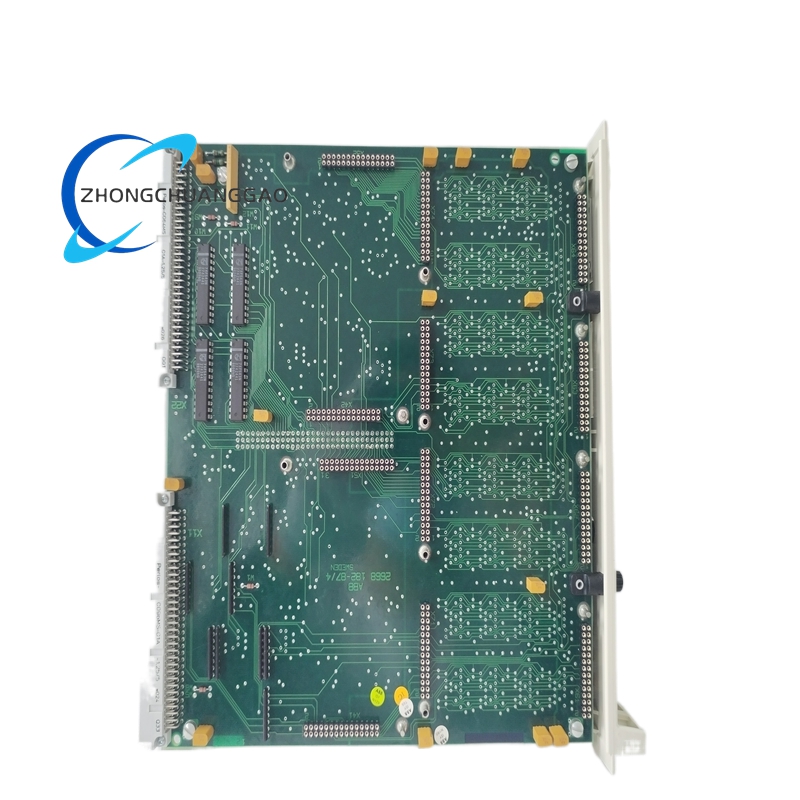
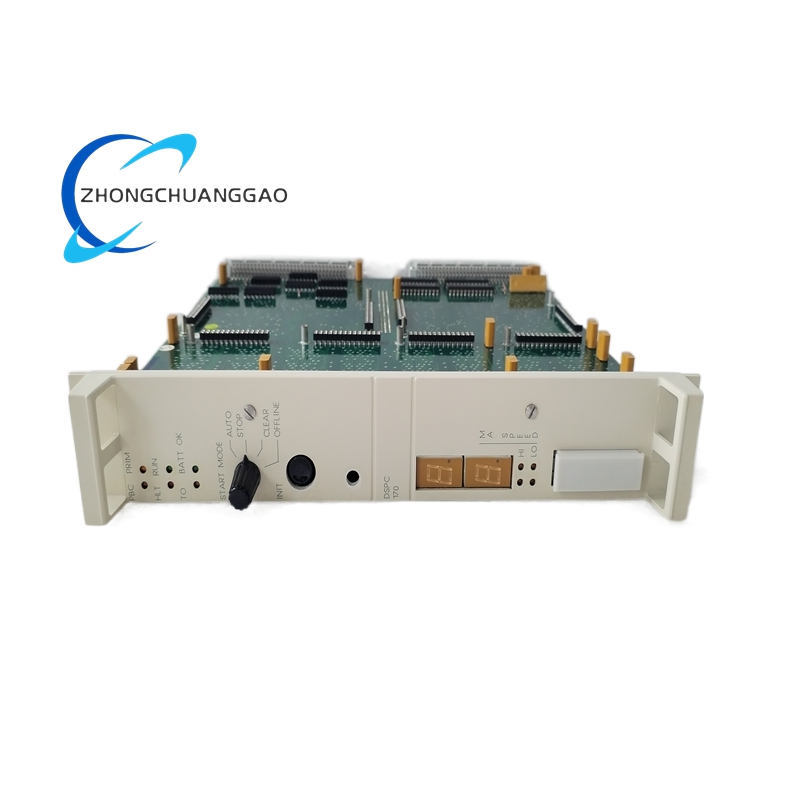
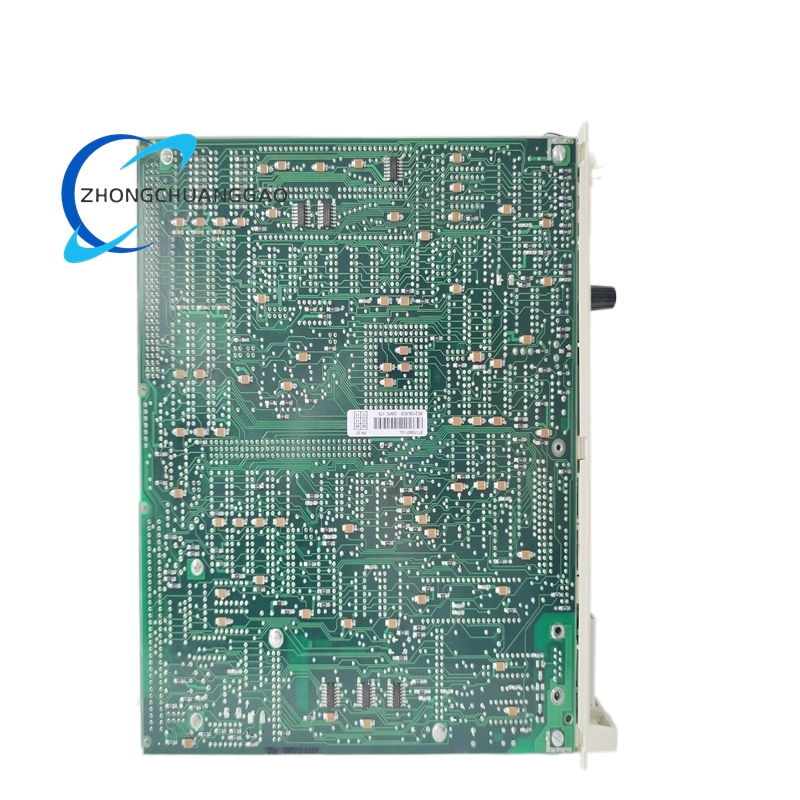
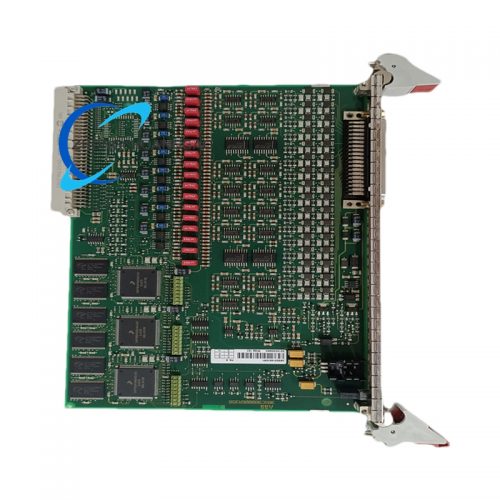
The ABB DSPC170 is a high-performance central processing unit (CPU) module designed for advanced industrial automation and distributed control systems (DCS). As a core component of ABB’s Advant OCS (Open Control System) and MasterPiece 200 series, this module excels at executing complex control logic, real-time data processing, and system management tasks . It is engineered to deliver reliable and precise control in demanding industrial environments, combining robust hardware with flexible programming capabilities.
Description
Technical Specifications
The DSPC170 module features a range of technical specifications that vary slightly depending on the specific system configuration and vintage. The following table consolidates the most common parameters found in technical literature:
| Parameter | Specification |
|---|---|
| Processor Architecture | 32-bit RISC processor; Dual-core ARM Cortex-A9 (up to 800 MHz); Supports DSP and FPU instruction sets |
| Processor Speed | Ranging from 85 MHz to 150 MHz |
| Memory | RAM: 16 MB to 512 MB; Flash: 1 MB to 1 GB (configuration dependent) |
| Power Supply | 5V DC or 12-36V DC internal; System-level 24V DC or 110-220V AC/DC with external power modules |
| Communication Interfaces | RS-232, RS-485, Ethernet, Profibus DP, Modbus RTU/TCP, I²C, SPI |
| Operating Temperature | -40°C to +85°C (extended); -25°C to +70°C (standard) |
| Protection Rating | IP20 (requires cabinet installation) |
| Dimensions (approx.) | Width: 45-63 mm; Height: 118-162 mm; Depth: 82 mm |
| Weight | Approximately 0.9 kg to 1.0 kg |
| Certifications | CE, IEC 60068-2-6 (vibration resistance) |
Key Features and Advantages
The ABB DSPC170 is distinguished by its robust feature set, designed to meet the rigorous demands of modern industrial automation.
High-Performance Computing
The module is built around powerful processor architectures, including dual-core ARM Cortex-A9 and 32-bit RISC designs with DSP capabilities. This ensures it can handle complex algorithms, multi-tasking, and real-time control loops with minimal latency, often in the microsecond range .
Exceptional Reliability and Durability
Engineered for continuous operation in harsh environments, the DSPC170 features industrial-grade components and a design that resists vibration, shock, and electromagnetic interference. Its Mean Time Between Failures (MTBF) is typically rated at over 50,000 hours, ensuring long-term system uptime .
Flexible Communication and Integration
With support for multiple industrial protocols like Profibus DP, Modbus, and Ethernet TCP/IP, the DSPC170 seamlessly integrates into both new and legacy systems. It acts as a central hub, communicating with I/O modules, HMIs, drives, and third-party devices to create a cohesive automation solution .
Modularity and Scalability
The module’s compact and modular design allows for easy installation in standard control cabinets. It supports hot-swapping in compatible system configurations, minimizing downtime during maintenance. Its scalability enables connection to numerous I/O stations, making it suitable for projects of all sizes .
Flexible Programming
The DSPC170 supports various programming languages and development environments, including those conforming to the IEC 61131-3 standard. This flexibility allows engineers to implement custom control logic and algorithms tailored to specific process requirements .
Application Scenarios
The versatility of the ABB DSPC170 makes it an ideal choice for a wide range of industries and applications.
-
Process Industries: It is extensively used for real-time monitoring and control in oil and gas refineries, chemical plants, and pharmaceutical production lines, managing variables such as temperature, pressure, and flow .
-
Manufacturing and Discrete Control: In the automotive, electronics, and machinery manufacturing sectors, the module coordinates robotic assembly lines, CNC machines, and material handling systems, ensuring precise and efficient operation .
-
Energy and Power Management: The DSPC170 plays a critical role in power generation plants (including thermal and wind), substation automation, and smart grid applications. It handles tasks like boiler control, turbine monitoring, and power distribution optimization .
-
Infrastructure and Utilities: It is deployed in water and wastewater treatment facilities for flow control and process automation, as well as in intelligent transportation systems for traffic signal control and tunnel management .
-
Building Automation: The module can be integrated into large-scale building management systems to control HVAC, lighting, and security systems .
Reviews
There are no reviews yet.