
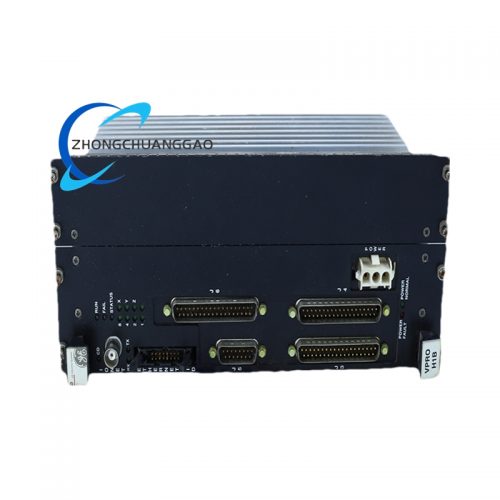
Product Short Description
Technical Specifications
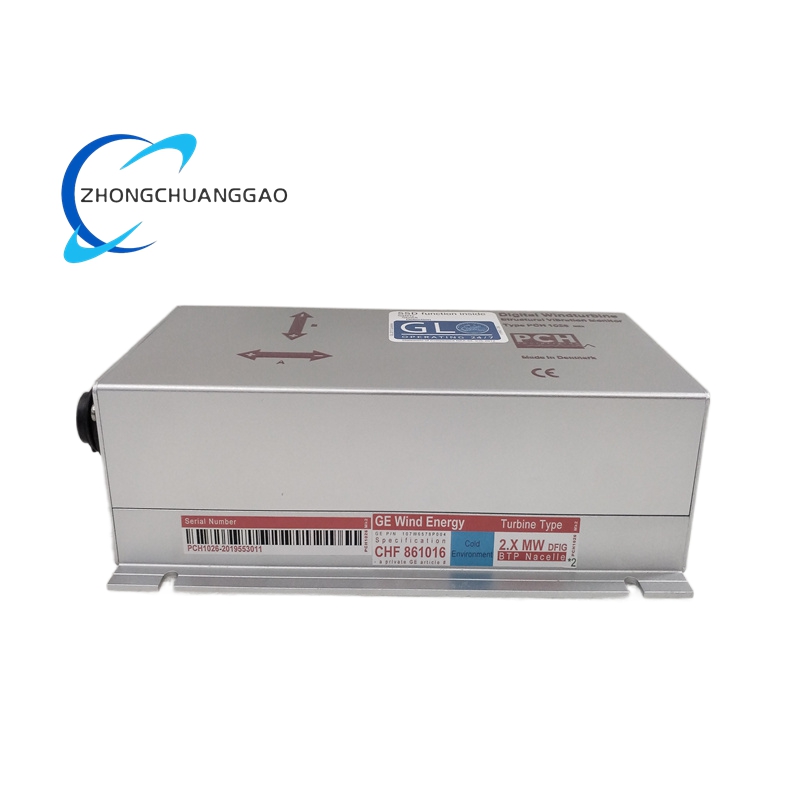
- Frequency Range: 0.05 Hz to 200 Hz (adjustable for different applications)
- Input Channels: Up to 4 channels (internal and external)
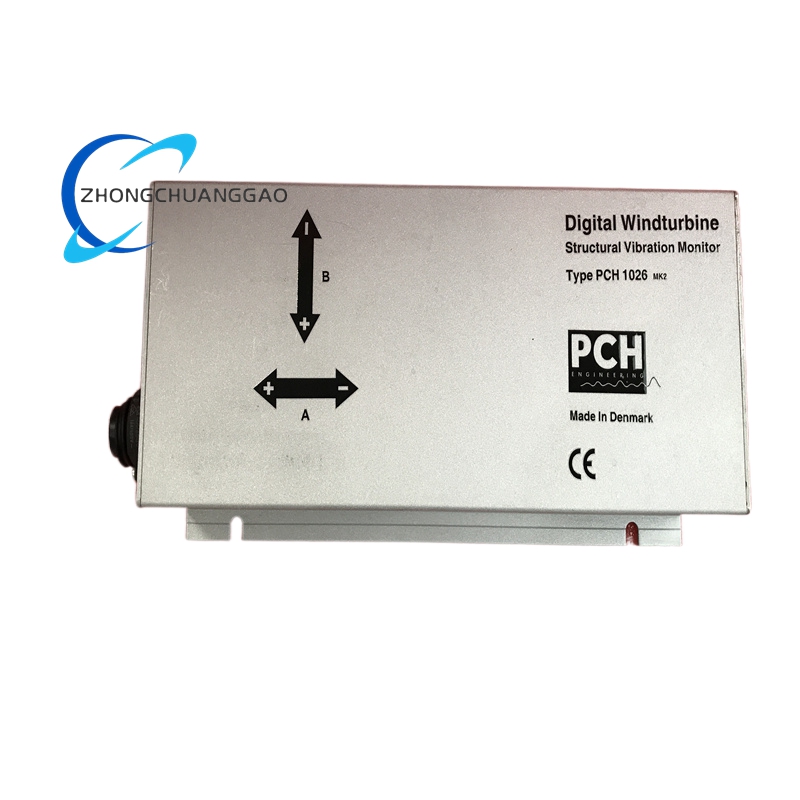
- Sensors: 3 built-in accelerometers for three-axis measurement (X, Y, Z directions)
- Dynamic Range: ±6 g (peak)
- Output Signals: 4 independent 4-20 mA outputs, 4 independent alarm relays, and 1 system fault relay
Description
- Power Supply: DC 20-30 V, maximum power consumption of 7 W
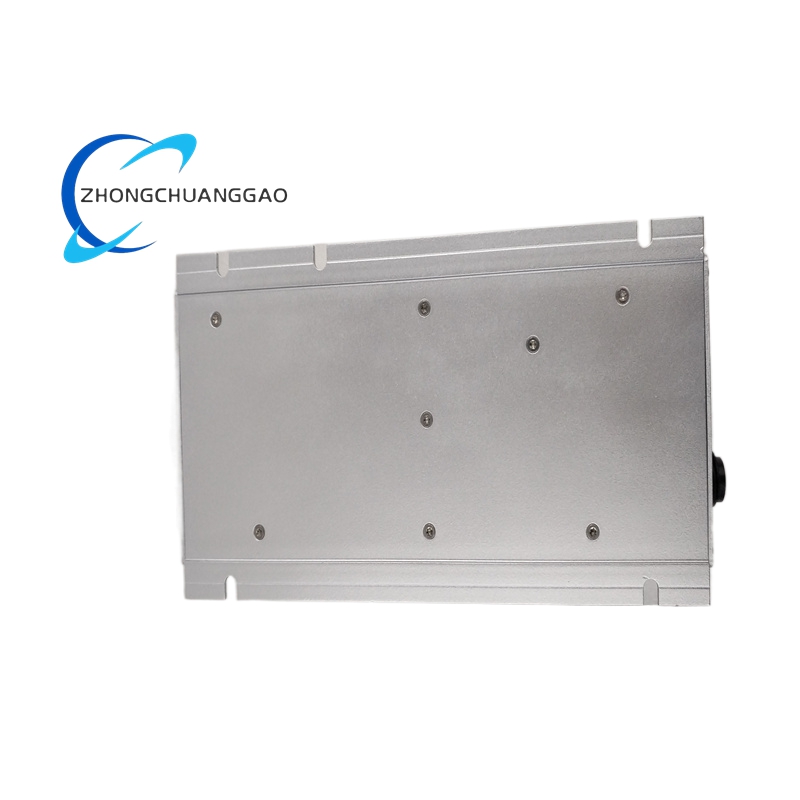
- Dimensions: 254 x 130 x 66 mm
- Weight: Approximately 2 kg
- Environmental Rating: Designed for harsh environments, including temperature extremes, electrical noise, and humidity
- Certifications: Germanischer Lloyd (GL) certification for safety components (Pl = d), ISO 4866 compliance for building vibration monitoring
Functional Features
- Real-Time Monitoring: Continuously monitors vibration signals and analyzes vibration spectra and characteristics to detect abnormal patterns.
- Programmable Alarms: Alarm thresholds and delay times for each relay can be programmed to trigger alerts when vibration levels exceed set limits.
- Self-Diagnostic Capabilities: Built-in self-test functions for sensors and electronic circuits, with a system fault relay to indicate any issues.
- Fieldbus Communication Support: Supports fieldbus communication protocols for easy integration with other systems and remote data transmission.
- Data Logging: Records vibration data for subsequent analysis and trend monitoring, aiding in predictive maintenance and fault diagnosis.
- Flexible Configuration: Can be configured using the included PC software (CHT 1012) via a serial RS-232 port or remotely via an optional RS-485 connection.
- Robust Design: Enclosed in a sealed, rugged casing for protection against dust, moisture, and physical damage.
Application Scenarios
- Wind Turbines: Monitoring tower vibrations, drivetrain vibrations (variable-pitch turbines), and blade edge vibrations (stall-regulated wind turbines).
- Industrial Equipment: Vibration monitoring of machinery such as pumps, compressors, and motors to detect misalignment, imbalance, or bearing wear.
- Civil Engineering Structures: Monitoring vibrations in steel towers, chimneys, bridges, and buildings to assess structural integrity and safety.
- Seismic Monitoring: Compliant with ISO 4866 standards for seismic vibration monitoring in earthquake-prone regions.
- Energy Sector: Used in power plants and substations to monitor vibrations in turbines, generators, and transformers, ensuring stable operation.

Reviews
There are no reviews yet.