Product Short Description
Product Introduction
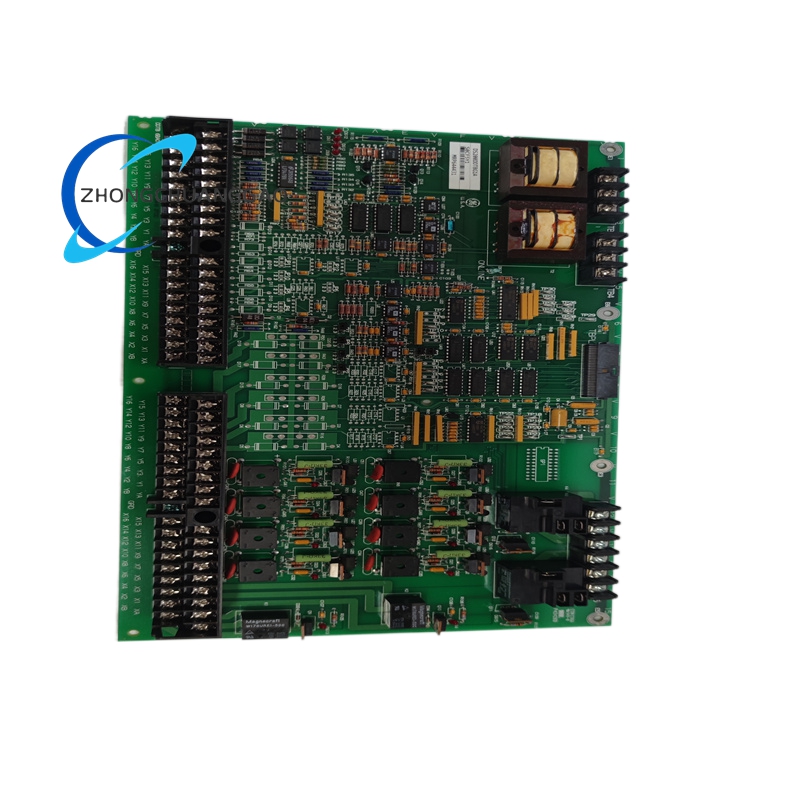
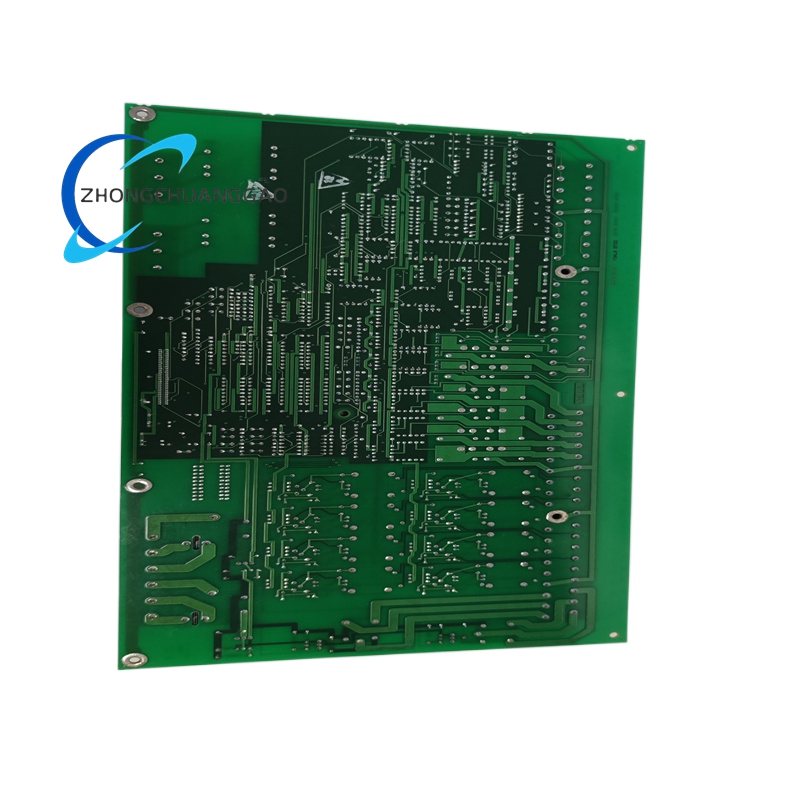
The GE DS200DDTBG1A is an LCI Auxiliary I/O Terminal Board under the DS200 series, specifically designed for GE LS2100 static starter control systems and Mark V DS200 series turbine control systems. It functions as a critical interface hub that connects high-voltage signals with the digital signal processor (DSP) of the control system, connecting to the IS200ADMAH1A ADMA board for seamless data exchange. The board is equipped with 17 status LEDs (DS1-DS17), 12 configurable jumpers, and multiple terminal blocks to handle various input/output signals, including 4-20 mA current loops, high-voltage AC inputs, high/low current signals, and four buffered analog outputs. It provides signal conditioning by amplifying, filtering, and isolating external I/O signals to ensure compatibility with the DSPC board’s DSP, and supports reassignment of LEM or CT input channels via jumper reconfiguration. It is supported by the GEH-6373 series reference manual, constructed with industrial-grade components and standard PCB coating, ensuring reliable performance in harsh industrial conditions, and is a key I/O interface component in turbine and static starter control systems.
Description
Technical Specifications
| Parameter | Details |
|---|---|
| Brand | GE (General Electric) LS2100/Mark V DS200 Series |
| Model | DS200DDTBG1A |
| Product Type | LCI Auxiliary I/O Terminal Board |
| Application | LS2100 Static Starter Control Systems, Mark V DS200 Series Turbine Control Systems |
| Interface Connection | Connects to IS200ADMAH1A ADMA Board and DSPC Board’s DSP |
| Input Types | 4-20 mA current loops, high-voltage AC inputs, high/low current signals, LEM/CT input channels |
| Output Types | Four buffered analog outputs |
| Configuration Components | 12 configurable jumpers, 3 sets of DIP switches |
| Diagnostic Features | 17 status LEDs (DS1-DS17) for software/hardware-driven status indication |
| Reference Manual | GEH-6373 Series |
| PCB Coating | Standard Coating |
| Operating Temperature | -40°C to +70°C |
| Storage Temperature | -40°C to +85°C |
| Humidity | 5% – 95% RH (non-condensing) |
| Dimensions | Approx. 6.0 × 5.0 × 1.5 inches (152.4 mm × 127.0 mm × 38.1 mm) |
| Weight | Approx. 1.8 lbs (0.82 kg) |
| Mounting | PCB for standard LS2100/Mark V chassis installation |
| Country of Origin | USA |
| Signal Conditioning | Amplification, filtering, and isolation of external I/O signals |
| Channel Reassignment | Supports reassignment of LEM/CT input channels via jumper reconfiguration |
| Power Supply | 24 VDC (from system control power) |
| Protection | Overvoltage, overcurrent, and short-circuit protection for input/output circuits |
| Compliance | Industrial EMC and safety standards (IEC 61010-1, IEC 61326-1) |
Functional Features
- Signal Conditioning: Amplifies, filters, and isolates external I/O signals to ensure compatibility with the DSPC board’s DSP, enabling accurate data processing.
- Multiple I/O Handling: Manages 4-20 mA current loops, high-voltage AC inputs, high/low current signals, and four buffered analog outputs, supporting diverse control system requirements.
- Flexible Configuration: 12 jumpers and 3 sets of DIP switches allow customization for specific system configurations and channel reassignment of LEM/CT inputs.
- Real-time Status Monitoring: 17 status LEDs provide clear indication of software and hardware-driven operational status, simplifying troubleshooting and reducing downtime.
- Seamless System Integration: Connects to IS200ADMAH1A ADMA board and DSPC board’s DSP, ensuring reliable data exchange between I/O terminals and control processors.
- Channel Reassignment Capability: Supports reassignment of LEM/CT input channels via jumper reconfiguration, enhancing adaptability to varying system requirements.
- Industrial-grade Durability: Built with industrial-grade components and standard PCB coating to operate in extreme temperatures and high-vibration industrial environments, ensuring long-term reliability.
- Standardized Documentation: The GEH-6373 manual offers detailed setup, operation, and maintenance instructions for consistent deployment.
- Plug-and-Play Installation: Supports hot-swap installation in compatible control systems, minimizing operational disruptions during replacement.
- EMC and Safety Compliance: Complies with industrial EMC and safety standards, ensuring safe and reliable operation in industrial settings.
- Buffered Analog Outputs: Four buffered analog outputs provide stable and accurate signal transmission to connected actuators and monitoring devices.
Application Scenarios
- Gas & Steam Turbine Static Starters: Interfaces with LS2100 static starter control systems to handle auxiliary I/O signals, supporting safe turbine start-stop operations and load management.
- Mark V Turbine Control Systems: Integrates with Mark V DS200 series systems to manage auxiliary I/O terminals, providing signal conditioning for turbine exciters and enclosure cooling fans.
- Heavy-Duty Industrial Starters: Manages I/O signals in static starter systems for large motors in steel rolling mills, mining operations, and industrial compressors, ensuring precise control and monitoring.
- Power Generation Auxiliaries: Controls auxiliary systems in grid-connected power plants, handling current loop signals from sensors and transmitting control signals to actuators, maintaining stable power output.
- Petrochemical Refineries: Operates in turbine and compressor control systems, withstanding harsh refinery environments and ensuring process continuity through reliable I/O signal management.
- Marine Power Systems: Integrates with shipboard turbine control systems, providing auxiliary I/O terminal management for propulsion and power generation systems.
- Industrial Automation: Serves as an auxiliary I/O terminal board in various industrial automation systems, handling signal conditioning and I/O management for process control equipment.
- Static Starter Retrofits: Replaces legacy I/O terminal boards in existing LS2100 static starter systems, facilitating easy upgrades and ensuring compatibility with modern control processors.
- Turbine Auxiliary System Control: Manages I/O signals for turbine lubrication, cooling, and fuel systems, supporting overall turbine operational safety and efficiency.
Reviews
There are no reviews yet.