Product Short Description
Technical Specifications
-
- Processor and Storage Parameters
- It is equipped with an 80188 processor operating at a speed of 10 MHz, which ensures efficient execution of complex programmable logic programs and rapid response to control commands.
- It has a configuration of 4GB DDR3L memory to provide sufficient space for real-time data processing and system operation, and is paired with a 32GB solid-state drive that guarantees fast data reading and writing and reliable data storage.
- I/O Channel Parameters
- It is configured with 4 digital input channels and 6 Type A non-monitored digital output channels, and the total number of I/O points reaches 512 to meet large-scale signal collection and control needs.
- It is equipped with 4 analog input ports that support 0-10V voltage input, which can accurately collect analog signals such as temperature and pressure from industrial transmitters.
- All I/O channels adopt an isolated design to prevent mutual interference between channels and avoid module damage caused by voltage surges.
- Processor and Storage Parameters
Description
- Communication and Physical Parameters
- It supports multiple industrial communication protocols including Modbus, DNP 3 and IEC 61850 to achieve smooth data interaction with different control systems.
- It is equipped with 2 Gigabit Ethernet interfaces, 4 USB 2.0/3.0 interfaces, 1 RS232 interface and 1 RS485 interface to meet the connection needs of various external devices.
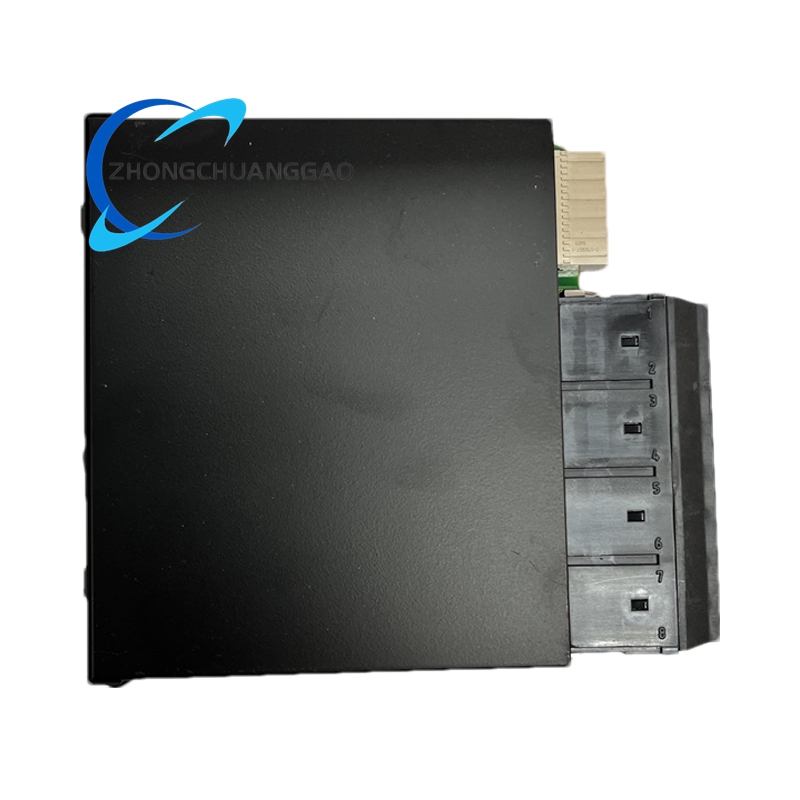
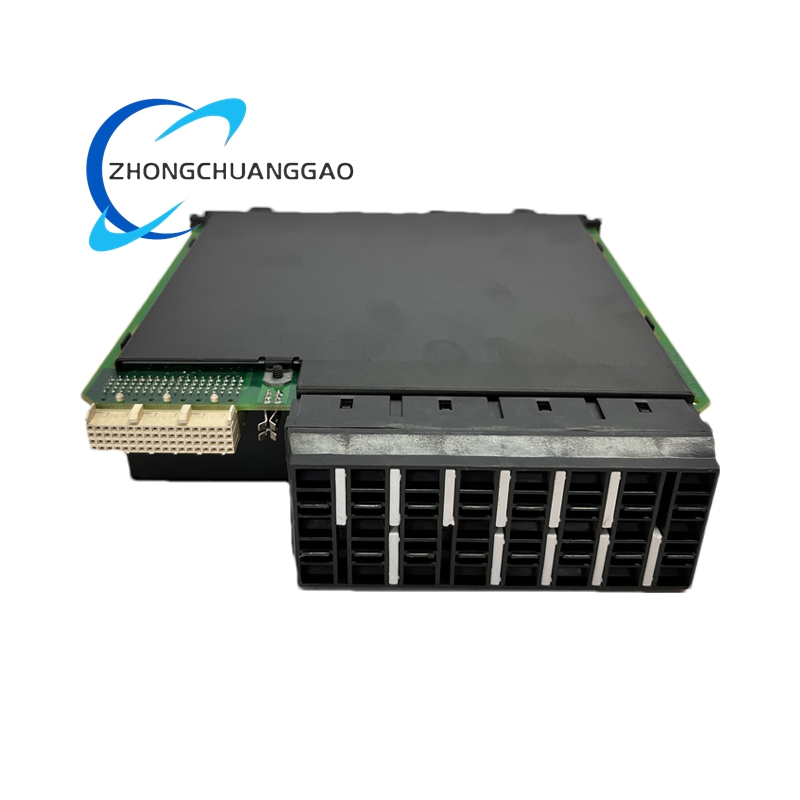
- The module weighs 0.92 kg, and its compact size allows for easy installation in dense control cabinets with limited space.
- It maintains stable operation in harsh industrial environments with extreme temperatures, shock and vibration, and has a long mean time between failures.
Function Features
- Powerful Programmable Logic Capabilities
The module carries programmable logic functions that support programming with multiple languages such as C++, Python and Matlab. Users can write customized control programs according to specific application requirements to achieve functions such as logical judgment, sequential control and interlocking protection. This capability enables the module to adapt to diverse and complex industrial control scenarios without the need for additional dedicated control components.
- Diverse and Expandable I/O Capabilities
The combination of a large number of digital and analog I/O channels allows the module to simultaneously process discrete switch signals and continuous analog signals. It can collect data from multiple sensors and switches while sending control signals to multiple actuators. It also supports function expansion through Mini PCIe slots and M.2 slots, which can add wireless communication and other advanced functional modules to meet future system upgrade needs.
- Seamless System Integration
Compatibility with multiple mainstream industrial communication protocols and a variety of interfaces allows the module to be quickly integrated into existing power protection systems, industrial automation systems and monitoring platforms. It eliminates communication barriers between different devices and systems, and ensures efficient and stable data transmission between the module and upper-level controllers or monitoring centers.
- Ruggedness and Long-term Reliability
The module uses premium electronic materials and a reinforced structural design that can withstand harsh conditions such as high temperatures, vibration and electromagnetic interference in industrial sites. Its long mean time between failures minimizes the frequency of equipment failures, reduces maintenance workload and ensures continuous and stable operation of the industrial production and power supply processes.
- Simple Installation and Maintenance
The modular design allows for quick on-site installation and disassembly. It can be connected to controllers or upper computers using simple connecting cables. Users can complete configuration and debugging through a user-friendly programming interface. When a fault occurs, the module can be independently replaced without shutting down the entire system, which shortens downtime and reduces maintenance costs.
Application Scenarios
- Power Generation and Transmission Systems
It is widely used in transformer protection, line protection, generator protection and bus protection in power systems. It connects with circuit breakers, isolating switches and voltage transformers, collects their status signals in real time, and controls trip relays and alarm relays to ensure the safe and stable operation of power generation and transmission equipment such as gas turbines and diesel generators.
- Oil and Gas Industry
In oil and gas drilling rigs, production facilities and refineries, the module monitors the operating status of pipelines, valves and pumping equipment. It collects flow and pressure signals of oil and gas pipelines, and controls the opening and closing of electric valves to adjust the transmission volume, which adapts to the harsh working environment with high oil fume and vibration in the field.
- General Manufacturing Industry
In metalworking, plastics processing and food processing production lines, the module connects with robotic arms, conveyor belts and automated processing equipment. It collects equipment operation status signals and executes control commands from the upper-level system to achieve automated control of the production process, improve production efficiency and ensure the consistency of product quality.
- Water and Wastewater Treatment
In water supply and sewage treatment plants, the module is used to control and monitor water pumps, valves and water quality detection equipment. It collects water level, flow and water quality sensor signals, and regulates the operation of water treatment equipment according to preset logic to ensure the stability of the water treatment process and the compliance of effluent quality.
- Transportation and Building Automation
In railway systems and traffic signal control systems, it monitors signal status and vehicle position signals, and adjusts the state of signal equipment to ensure the safe operation of transportation. In building automation systems, it connects with lighting and air conditioning equipment, collects environmental parameters such as temperature and humidity, and controls the on-off and operating parameters of related equipment to achieve energy-saving operation of buildings.
Reviews
There are no reviews yet.