Product Short Description
Technical Specifications
- Electrical Parameters
- It adopts dual power input modes, compatible with 24V power input and 79 – 180V AC power input, and can output 220V DC power to supply power for connected on-site instruments and matching modules.
- It is designed with 8 independent isolated input channels that effectively reduce signal interference between different channels and ensure the accuracy of input signal transmission.
- It is configured with 300KB of built-in memory and additional flash memory, which can temporarily store collected field data and key control parameters to support smooth data processing and backup.
- It operates at an output frequency of 580kHz, which ensures efficient and rapid transmission of data and control signals without delays in response during complex process control.
- Physical Parameters
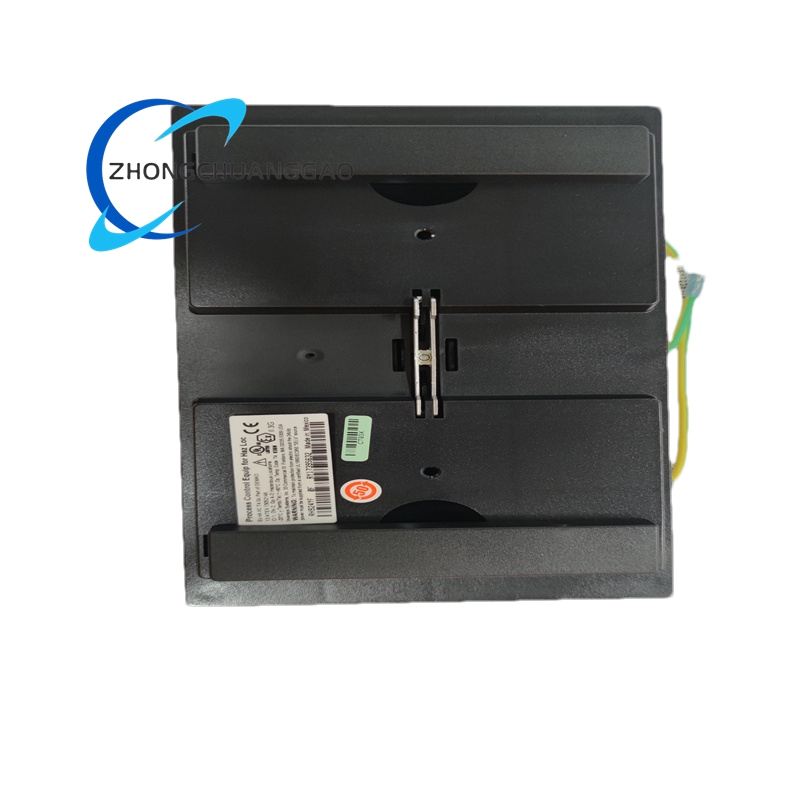
- The net weight of the module is 1.0 kilogram, and the shipping weight reaches 3 kilograms, with packaging dimensions of 17.8cm × 20.0cm × 5.8cm, which is compact enough for intensive layout in control cabinets.
- It adopts a die – cast aluminum shell, which enhances structural strength and is equipped with a DIN – rail mounting design that allows for quick and stable installation in standard control cabinets without complex custom mounting brackets.
Description
- Environmental Parameters
- The rugged aluminum housing enables it to adapt to Class G3 harsh industrial environments, and it can operate stably in dusty, vibrating and high – humidity on – site conditions.
- It maintains reliable performance within a wide ambient temperature range, which can meet the temperature requirements of most indoor control rooms and outdoor industrial sites, and is not easily affected by extreme temperature fluctuations.
Function Features
- Isolated Signal Transmission Ensures Data Accuracy
Its 8 input channels adopt independent isolation design, which can prevent mutual interference between different input signals and external electromagnetic interference. This design ensures that the temperature, pressure and flow signals collected from complex industrial environments can be transmitted to the controller without distortion, laying a foundation for the accurate operation of the control system.
- Dual Power Supply Ensures Continuous Operation
The compatibility with both low – voltage and high – voltage power input modes allows the module to adapt to different power supply configurations of various industrial sites. The dual power – related design avoids system downtime caused by the failure of a single power supply path, ensuring that the module and the connected devices can maintain continuous operation, which greatly improves the reliability of the entire control subsystem.
- Easy Installation and System Integration
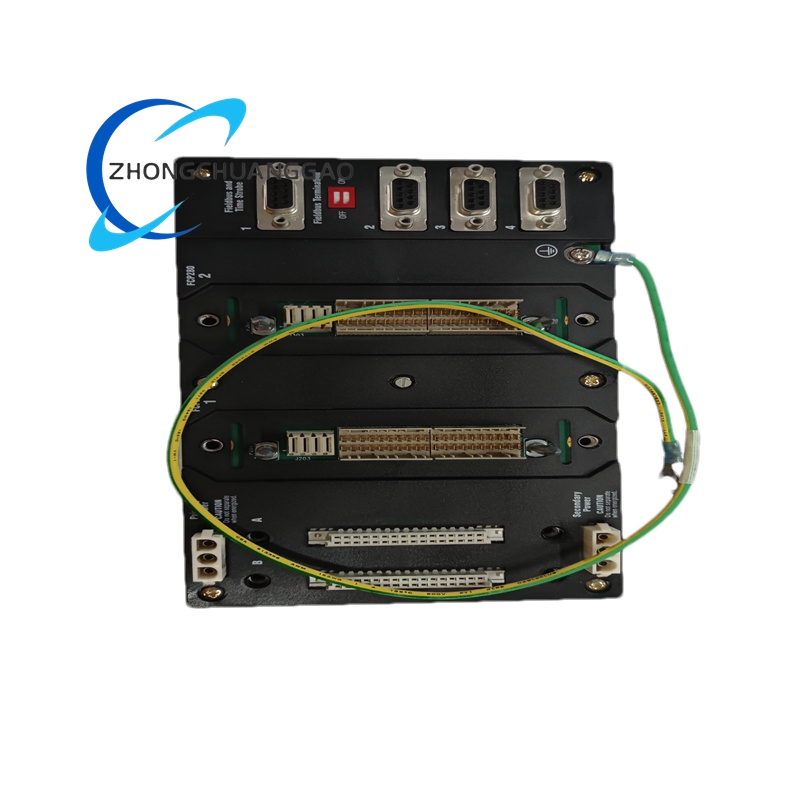
The DIN – rail mounting design simplifies the on – site installation process, enabling operators to complete the fixing and assembly of the module quickly. It can be seamlessly integrated with Foxboro’s FCP280 field control processor and FBM series fieldbus modules, and is compatible with PLC and DCS systems of multiple specifications. It does not require large – scale modification of the existing system during integration, reducing the difficulty and cost of system configuration.
- Integrated Multiple Core Control Functions
It integrates multiple functions such as data acquisition, alarm detection and remote control. It can collect real – time data of field equipment, and cooperate with the upper – level system to issue alarm signals in a timely manner when abnormal parameters are detected. It also supports the execution of remote control instructions, helping operators adjust the operation state of field equipment without going to the harsh on – site environment, improving the efficiency of operation and maintenance.
Application Scenarios
- Oil and Gas Industry
It is widely used in oil drilling platforms, refineries and long – distance oil and gas transmission pipelines. It connects with on – site pressure, temperature and flow meters through 8 isolated input channels, collects real – time data of the extraction, transportation and refining processes. It transmits the data to the central control system, which adjusts the opening of valves and the operation speed of pumps according to the data to ensure the safety and efficiency of the entire production and transportation process.
- Chemical Industry
It is installed in chemical production workshops, matching with reactor temperature sensors, material concentration detectors and other equipment. It realizes the isolated collection and transmission of key parameters in chemical reactions. It ensures that the control system can accurately grasp the reaction progress and adjust the feeding speed and reaction time in real time, thus avoiding safety accidents caused by parameter deviations and ensuring the stability of product quality.
- Power Industry
It is integrated into the DCS monitoring system of thermal power plants and hydropower stations. It is responsible for collecting operating data such as boiler temperature, steam turbine pressure and cooling water flow. It transmits the data to the central controller smoothly. The controller relies on these data to optimize the fuel injection volume and the operation parameters of the cooling system, maintaining the stable operation of power generation equipment and ensuring the continuous and stable supply of power to the power grid.
- Water Treatment Industry
It is applied in urban sewage treatment plants and tap water production systems. It connects with water quality detectors that monitor pH value, pollutant concentration and water flow. It collects and transmits water treatment process data in real time. It enables the control system to accurately control the operation of dosing pumps and filtration equipment, ensuring that the treated water meets the set discharge or supply standards.
- Food and Beverage Industry
It is used in automated production lines such as dairy pasteurization and beverage filling. It collects parameters such as sterilization temperature, ingredient mixing ratio and filling flow rate. It ensures that the data is transmitted to the control system without interference. The system adjusts the operation of production equipment in a timely manner according to the data, maintaining the consistency of product quality and complying with strict food safety production regulations.
Reviews
There are no reviews yet.