
Product Short Description
Technical Specifications
- Communication Parameters
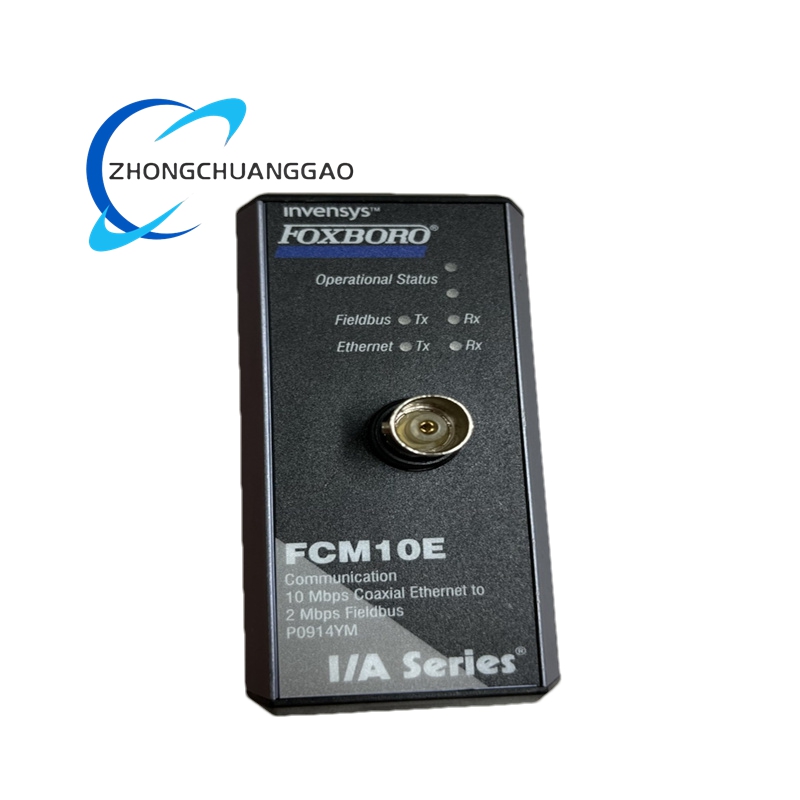
- It realizes bidirectional signal conversion between 10 Mbps Ethernet trunk fieldbus and 2 Mbps FBM fieldbus to match signal requirements of different system components.
- Each module pair provides support for up to 30 fieldbus modules to meet the connection needs of large – scale distributed control systems.
- Power Specifications
- It adopts a redundant 24 V DC power input, with a voltage tolerance range of +5% and -10%.
- The maximum power consumption is 7 watts when operating under the 24 V DC power supply, which has low power requirements and reduces overall energy consumption of the system.
- Physical Specifications
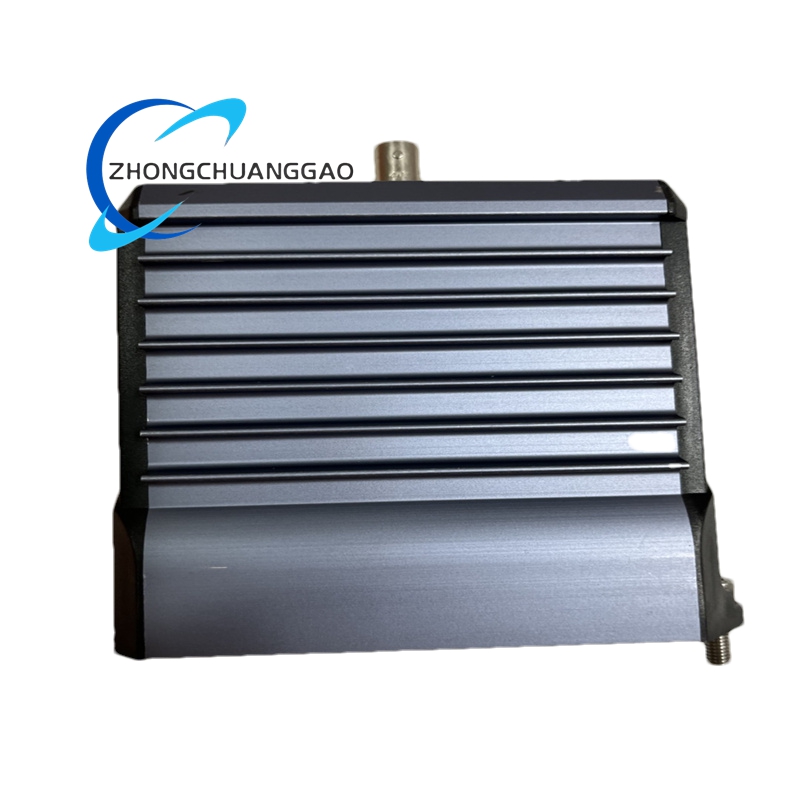
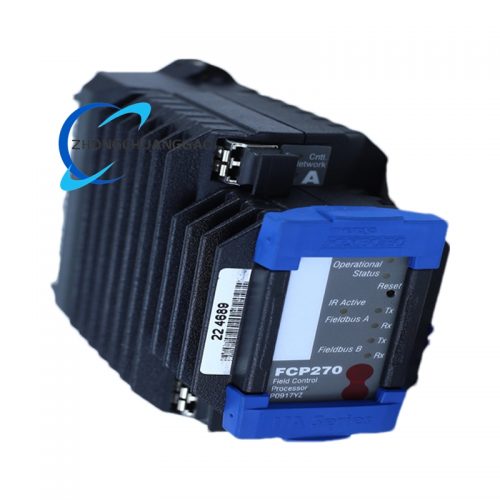
- The module has a height of 102 millimeters, extending to 114 millimeters when including the mounting lugs, a width of 45 millimeters, and a depth of 104 millimeters.
- It supports DIN rail mounting or rack – mounted baseplate installation, and one baseplate can hold up to eight fieldbus modules or a combination of fieldbus modules and FCM10E modules.
Description
- Environmental Specifications
- The operating temperature range is from -20 °C to +70 °C, and the storage temperature range is from -40 °C to +70 °C.
- It adapts to a relative humidity range of 5% – 95% without condensation, suitable for humid industrial environments.
- It can work normally at altitudes ranging from -300 meters to +3000 meters and can be stored at altitudes up to +12000 meters.
Function Features
- Dual – way Signal Conversion and Stable Communication
The module completes the bidirectional conversion between 10 Mbps Ethernet signals and 2 Mbps FBM fieldbus signals accurately and efficiently. This conversion capability solves the signal incompatibility problem between the upper – level control station and the on – site fieldbus modules, ensuring fast and lossless transmission of control commands and on – site data. The built – in high – performance processor enhances data processing speed, enabling real – time response to communication requests and maintaining stable communication links.
- Redundant Configuration for Fault Tolerance
It operates in paired redundant configurations. When one module malfunctions, the other module in the pair immediately takes over all communication tasks without any interruption to data transmission. This redundant design eliminates single points of failure in the communication link, greatly improving the fault tolerance and reliability of the entire control system, which is crucial for industrial processes that cannot tolerate operational downtime.
- Galvanic Isolation and Strong Anti – interference
The galvanic isolation design between the Ethernet trunk and the FBM fieldbus effectively isolates electrical noise and interference between the two bus systems. It prevents high – voltage surges or abnormal currents from spreading between different parts of the system, protecting both the module itself and connected fieldbus modules as well as control station components from damage. This feature ensures the integrity of signal transmission even in complex electromagnetic environments with multiple high – power devices.
- Hot – swapping and Easy Maintenance
The hot – swap function allows operators to remove and replace faulty modules during system operation without turning off the power supply of the entire system. This avoids production losses caused by system shutdowns for maintenance. The compact extruded aluminum housing not only provides good physical protection against collisions and dust but also facilitates installation in limited – space control cabinets, reducing installation and layout difficulties.
Application Scenarios
- Oil and Gas Industry
It is deployed in oil drilling platforms, oil refineries, and natural gas processing plants. It connects the I/A Series control stations with fieldbus modules that monitor pipeline pressure, flow rate, and valve status. The redundant configuration ensures continuous communication even in harsh marine or refinery environments where equipment is prone to failures. The anti – interference performance resists electromagnetic interference from drilling machinery and pumping equipment, ensuring accurate transmission of key data such as oil and gas flow and pressure, which is essential for safe and efficient extraction and processing.
- Chemical Industry
It is integrated into chemical production workshops involving reaction kettles, distillation columns, and chemical storage tanks. It enables communication between the central control station and fieldbus modules responsible for measuring temperature, pressure, and chemical concentration. When chemical reactions require precise parameter adjustments, the module ensures that control commands are quickly transmitted to on – site actuators. The galvanic isolation function prevents equipment malfunctions caused by chemical corrosion – induced electrical leaks, safeguarding the stability of continuous chemical production processes.
- Power Generation Industry
It is widely used in thermal power, nuclear power, and hydropower plants. In thermal power plants, it connects the turbine control system and boiler control system with fieldbus modules for monitoring steam pressure, temperature, and generator load. The redundant communication ensures that the control system can still receive real – time operating data of key equipment in case of module failures, avoiding power outages due to communication interruptions. It adapts to the high – temperature and high – electromagnetic – interference environment near generators and transformers, maintaining reliable data interaction.
- Water and Wastewater Treatment Industry
It is applied in water purification plants and sewage treatment facilities. It links the central control system to fieldbus modules that control water pumps, dosing valves, and filter equipment. It transmits commands for adjusting water flow rates and chemical dosing amounts, while feeding back real – time water quality data such as turbidity and pH value to the control station. The stable communication ensures the accuracy of water treatment processes, helping to meet water quality standards and improving the efficiency of water resource utilization and sewage purification.
- Pharmaceutical Industry
It is installed in sterile pharmaceutical production lines and drug packaging workshops. It connects control stations with fieldbus modules that regulate mixing equipment, filling machines, and temperature – controlled storage units. In the drug synthesis process, it ensures that parameters such as temperature and mixing speed are accurately transmitted between the control system and on – site equipment. The reliable communication and stable performance of the module help pharmaceutical production comply with GMP standards, ensuring consistent drug quality and avoiding batch – related quality problems caused by communication errors.
Reviews
There are no reviews yet.