
Product Short Description
- Product Name
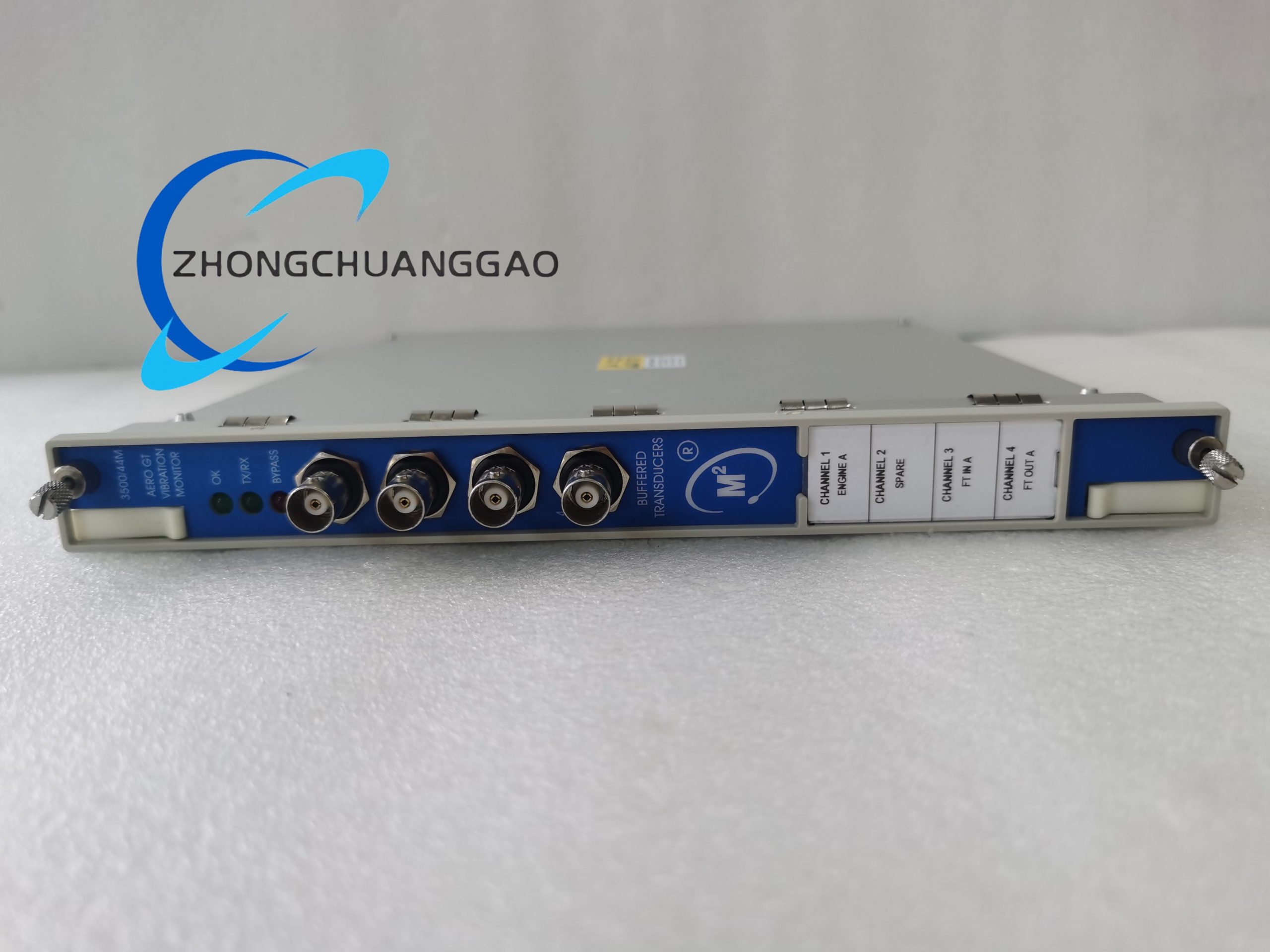
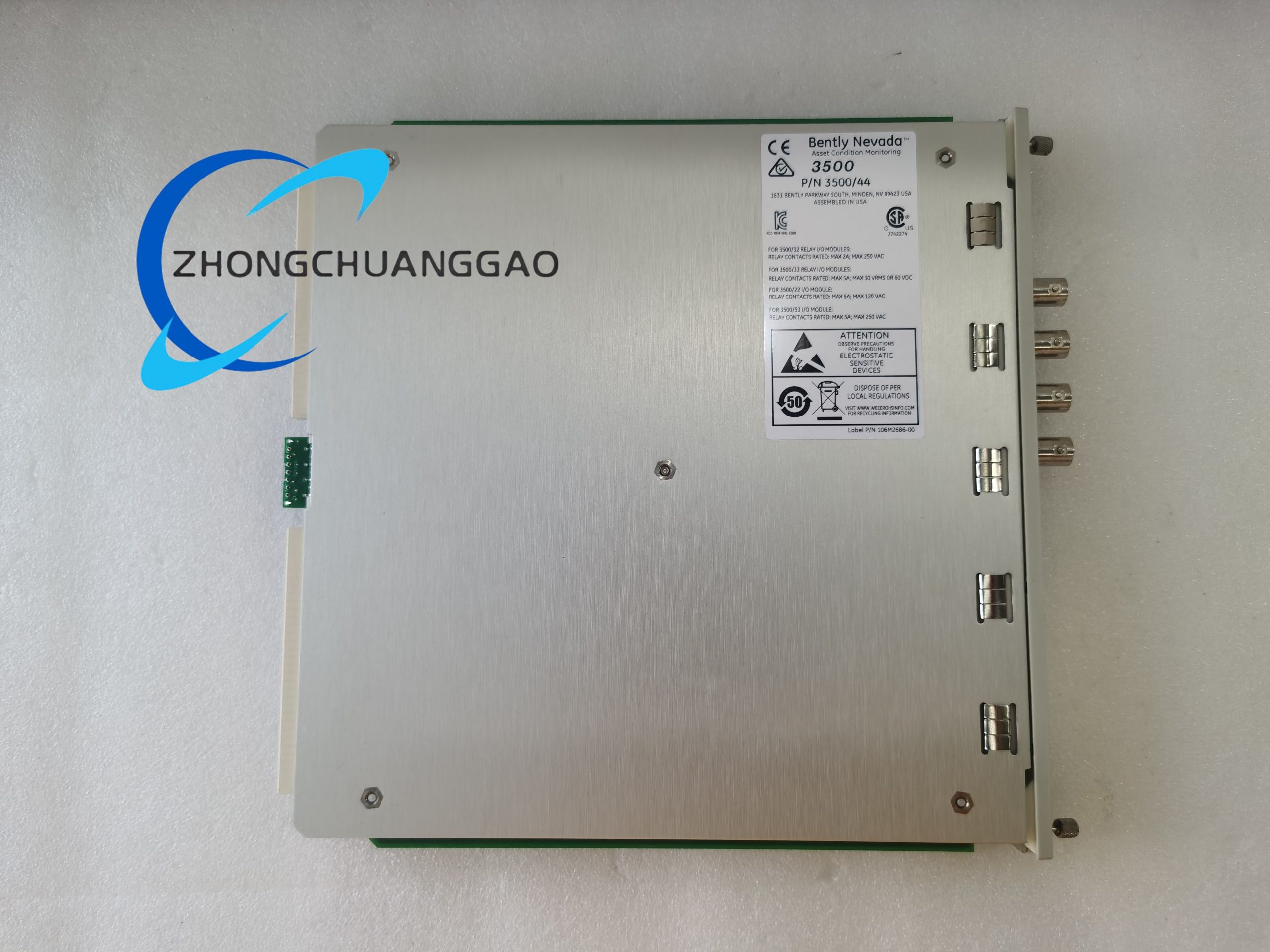
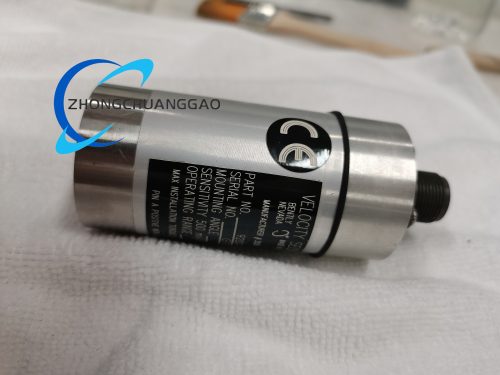
- Four-Channel Proximitor Monitor Module for Bently Nevada 3500 Series Machinery Protection System
- Product Introduction
This module is a core four-channel proximitor monitoring component belonging to the Bently Nevada 3500 series machinery protection system. It is specifically designed to connect with Bently Nevada proximity transducers, undertaking the critical task of real-time monitoring of rotating machinery’s key operational parameters. It receives raw signals from transducers, conducts professional conditioning to convert them into measurable vibration and position data, including radial vibration, shaft eccentricity, thrust position and differential expansion. It then compares the processed data with user-programmed alarm thresholds to trigger timely alerts. It serves as a vital bridge between on-site sensors and upper-level control systems, supporting seamless data transmission via standard industrial protocols. Its robust structural design enables stable operation in extreme temperature environments and harsh industrial settings. It provides operational and maintenance personnel with critical equipment health data, which is essential for predictive maintenance, effectively extending the service life of machinery and reducing unplanned production downtime across multiple key industries.
Description
- Technical Specifications
- Channel and Sensor Compatibility: Equipped with four independent input channels that exclusively accept input signals from Bently Nevada proximity transducers. The standard input impedance is 10 kΩ, and the impedance for the triple modular redundancy I/O configuration is 50 kΩ.
- Measurement Performance: The radial vibration sensitivity is available in two specifications, 3.94 mV/μm and 7.87 mV/μm. The measurement frequency range covers 0.1 Hz to 10 kHz with a resolution of 0.01 Hz, and the signal response time is no more than 500 μs.
- Power and Power Consumption: It adopts AC/DC dual-power input mode, with a standard power supply of 24 VDC. The typical current consumption is 15 mA when operating at 12 VDC, realizing low-energy operation.
- Communication and Output: It supports the RS – 485 communication protocol for seamless real-time data transmission. It is configured with four relay outputs for alarm triggering and is also compatible with 4 – 20 mA analog output to match different upper-level control system requirements.
- Physical and Environmental Indicators: It uses an M12 connector for easy connection. The external dimensions are Φ19.1×50.8mm and the weight is approximately 3kg. It operates within a temperature range of -40°C to +85°C and has an IP65 protection level, which can resist dust and moisture erosion.
- Function Features
- Multi-parameter Comprehensive Monitoring: It can simultaneously monitor multiple key parameters of rotating machinery, such as radial vibration that detects shaft misalignment and bearing wear, and eccentricity measurement that identifies rotor defects. It also supports REBAM functions to evaluate bearing conditions and detect early bearing wear signs.
- User-defined Alarm Mechanism: Users can independently program alarm thresholds based on different equipment operating standards and application scenarios. The module continuously compares the real-time measured data with the set thresholds and activates relay alarms promptly when parameters exceed the limits, avoiding delayed fault handling.
- Easy Integration and Installation: With a compact modular design and M12 connector, the module can be quickly installed and integrated into existing industrial control systems. The compatibility with RS – 485 communication protocol eliminates obstacles in data connection with various DCS and SCADA systems.
- High Precision and Stability: It adopts high-quality electronic components and undergoes strict production and calibration processes. It maintains high measurement accuracy even in harsh environments with large temperature fluctuations and strong electromagnetic interference, ensuring the reliability of the output data.
- Application Scenarios
- Power Generation Industry: It is widely used in monitoring generators, steam turbines and auxiliary feedwater pumps in thermal, hydroelectric and other power plants. It tracks shaft vibration and thrust position to detect problems such as rotor imbalance and bearing degradation early, preventing large-scale power outages caused by equipment failures.
- Petrochemical Industry: It is installed on compressors, pumps and fans in refineries and chemical plants. It adapts to corrosive and high-pressure working environments, monitors the vibration and position parameters of equipment in the production and transportation processes of chemical raw materials, and avoids production accidents due to equipment leakage or blockage.
- Aerospace Industry: It is applied to the vibration analysis of engines and turbine components of aerospace equipment. Its high-precision measurement capability can detect tiny abnormal vibrations of key components, providing data support for the safety detection and maintenance of aerospace machinery.
- Paper and Metallurgical Industries: In paper mills, it monitors the vibration of paper machines and blowers to ensure the stability of the paper production process and avoid paper quality defects caused by equipment jitter. In steel mills, it is used for monitoring rolling mill equipment to detect shaft misalignment problems in time and ensure continuous operation of the metallurgical production line.
- General Manufacturing Industry: It is deployed on motors, centrifuges and various industrial pumps in manufacturing workshops. It provides real-time data on the operating status of rotating equipment, guiding maintenance personnel to carry out targeted maintenance, reducing equipment maintenance costs and improving overall production efficiency.
Reviews
There are no reviews yet.