
Product Short Description
Product Overview
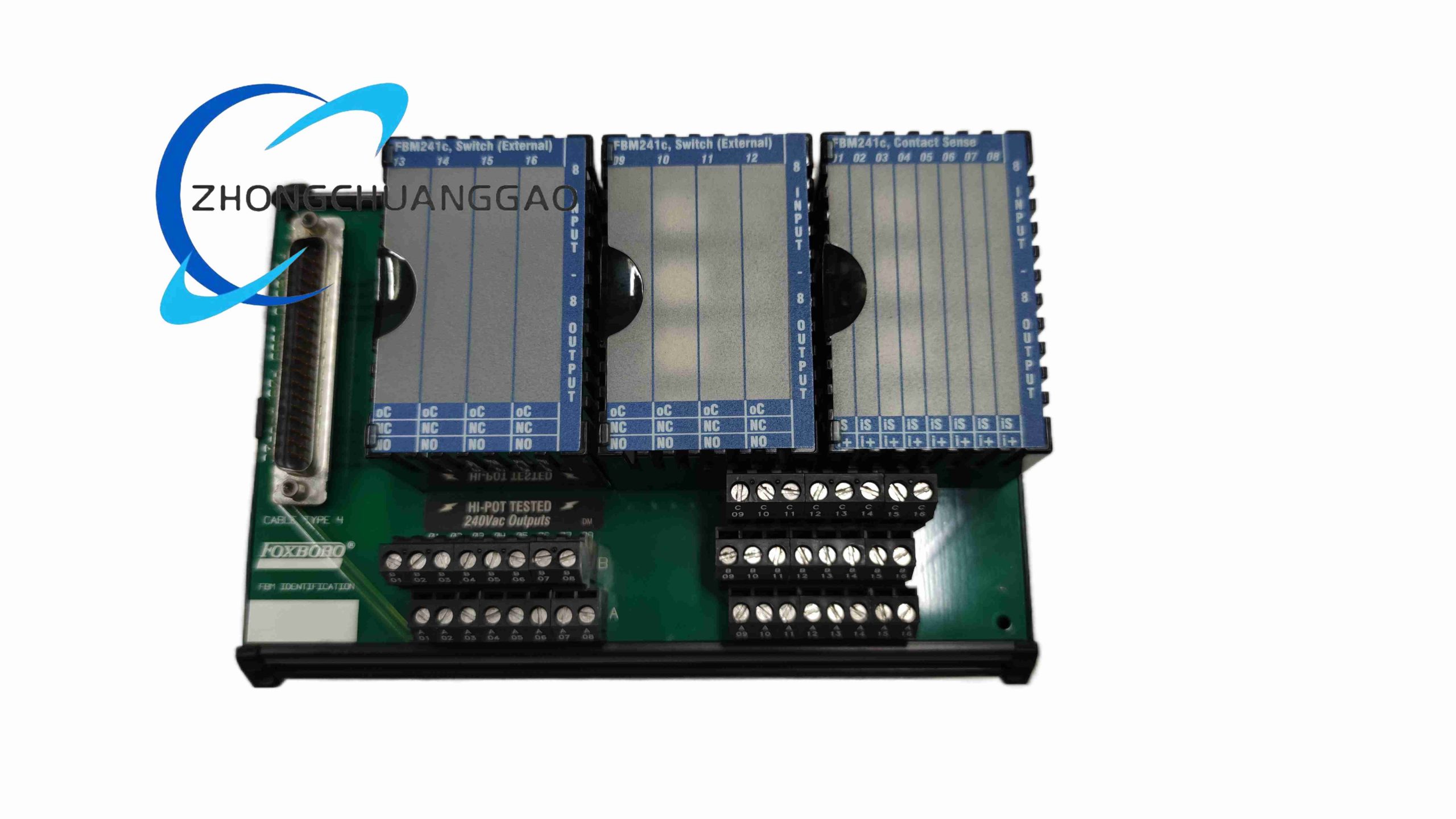
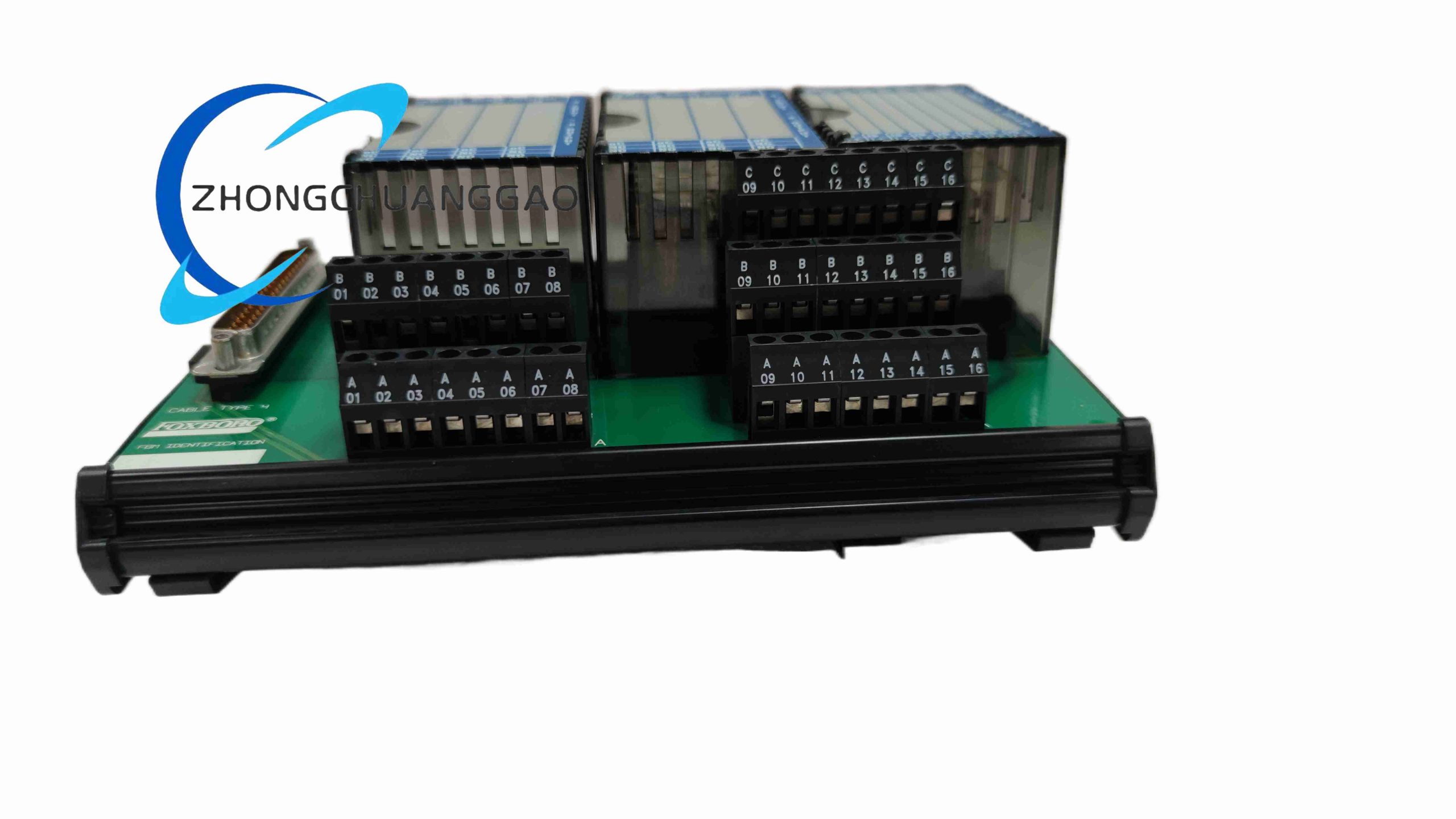
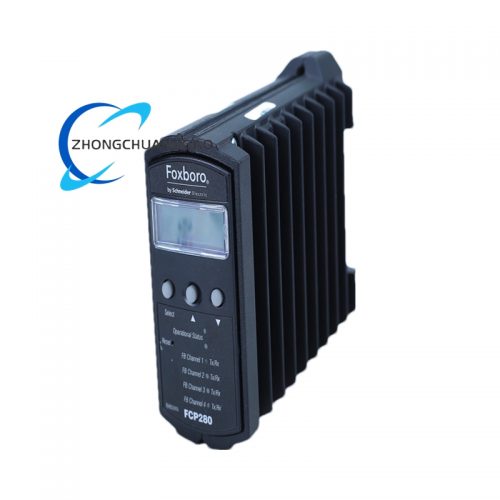
The P0916AW is a 24-point contact input termination module for Foxboro I/A Series discrete I/O systems. It works with FBM241 and FBM241c fieldbus modules, providing 8 discrete input and 8 discrete output channels for on-off signal processing. The module adopts compression-style screw terminals and robust housing design, suitable for harsh industrial environments.
Description
Technical Specifications
- Compatible FBM modules: FBM241, FBM241c
- Channel configuration: 8 discrete inputs, 8 discrete outputs
- Termination type: Compression-style screw terminals
- Maximum voltage: 120 V AC / 125 V DC (up to 240 V AC with specific loop configuration)
- Environmental rating: Class G3 harsh environments per ISA S71.04
- Weight: 0.3 kg
- Origin: USA
Functional Features
- High-density 24-point contact interface saves cabinet space
- Screw compression terminals provide reliable vibration-resistant connections
- Supports both AC and DC discrete signals
- Wide voltage tolerance adapts to various field devices
- Robust housing withstands harsh industrial conditions
Application Scenarios
- Discrete device status monitoring
- Motor start/stop control and feedback
- Valve position indication and control
- Conveyor system logic control
- Factory automation discrete I/O integration
Material & Structure
- Housing: Polyamide engineering plastic with flame retardant rating
- Contact terminals: High-conductivity copper alloy with nickel plating
- Mounting base: Metal-reinforced DIN rail adapter
- Internal wiring: Tinned copper conductors
Working Principle
The module distributes discrete input signals from field sensors and switches to the FBM input channels, and transmits output control signals from the FBM to field actuators. The screw terminals provide mechanical fixation and electrical connection for field wiring, ensuring stable signal transmission under vibration conditions.
Installation Requirements
- Install on standard DIN rail in control cabinet
- Separate AC and DC wiring to avoid interference
- Use appropriate wire gauge for current requirements
- Ensure proper grounding for shielded cables
- Leave sufficient space for wiring operation
Usage Notes
- Confirm signal type (AC/DC) before wiring
- Do not exceed maximum voltage rating per channel
- Tighten terminals to recommended torque
- Regularly inspect for loose connections in vibrating environments
- Replace damaged terminal blocks promptly to prevent faults
Reviews
There are no reviews yet.