
Product Short Description
Product Overview
COOPER GHG122 is an explosion-proof industrial gas detection transmitter engineered for Zone 0/1/2 explosive hazardous environments, monitoring combustible hydrocarbon gases, toxic H₂S, CO, and greenhouse gas concentrations in real time. It integrates electrochemical and catalytic bead sensor technology, with full ATEX/IECEx explosion safety certification for petrochemical, offshore platform, refinery, and chemical plant gas safety monitoring.

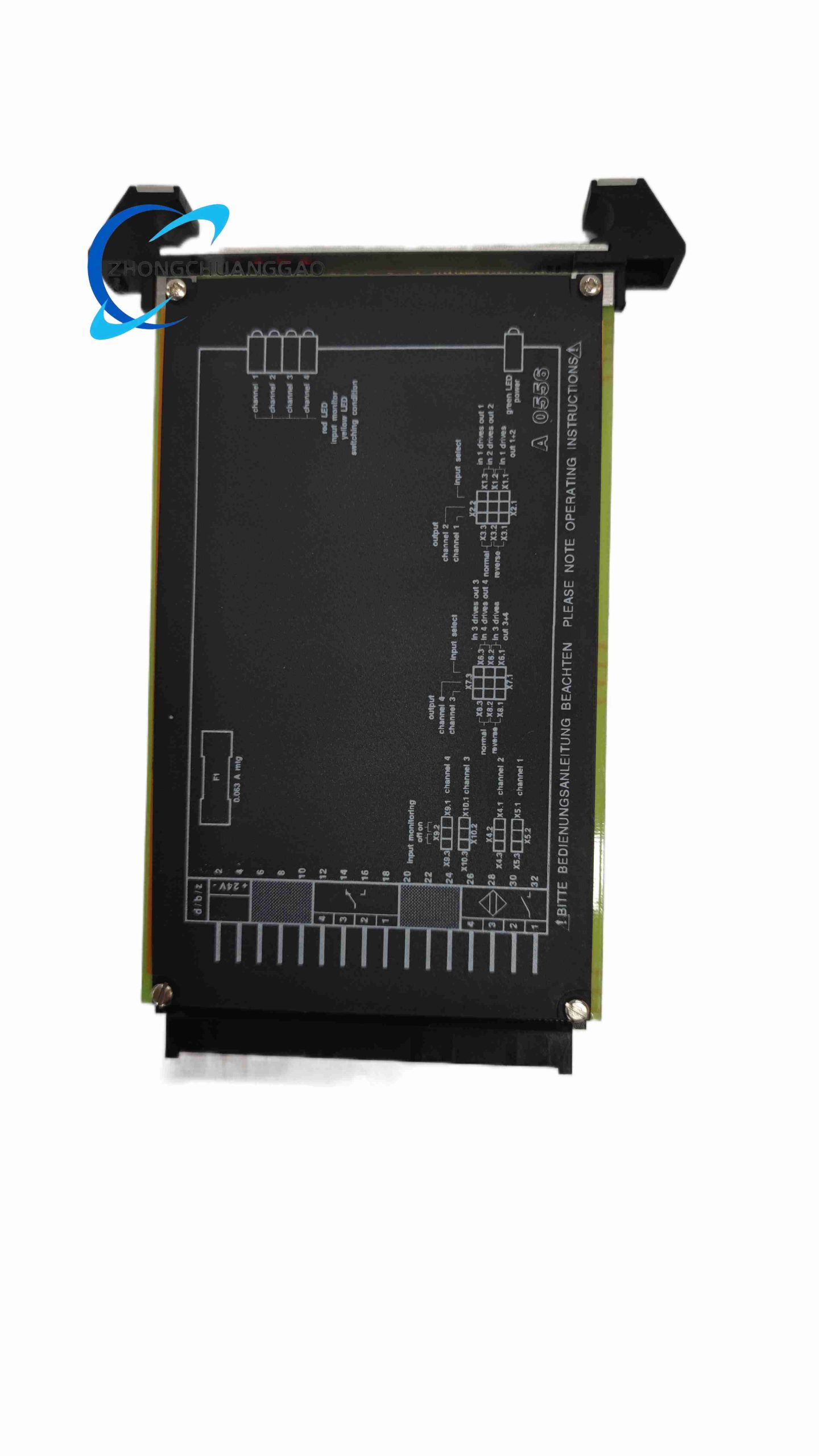
Description
Core Technical Specifications
- Supported Gas Types: Combustible gas (0–100% LEL), H₂S (0–100ppm), CO (0–500ppm), CO₂/CH₄ greenhouse gas
- Sensor Lifespan: Catalytic bead sensor 5 years; electrochemical toxic gas sensor 2–3 years
- Power Supply: 12–30VDC 2-wire loop power; maximum power consumption 2.5W
- Output Signals: Standard 4–20mA analog loop; optional HART digital communication protocol
- Response Performance: T90 response time ≤15 seconds; detection repeatability ±2% full scale
- Explosion Certification: ATEX II 1G Ex ia IIC T6, IECEx Zone 0 intrinsic safety; UL Class I Div 1 certified
- Protection Grade: IP66/IP67 full enclosure dust and high-pressure water jet resistance
- Environmental Range: Operating -40°C ~ +70°C; humidity 10–95% RH non-condensing
- Physical Parameters: 150mm outer diameter cylindrical enclosure, height 120mm; weight 1.8kg
Function Features
- Built-in automatic sensor zero drift compensation algorithm to reduce monthly calibration frequency
- Local digital LCD display with backlight showing real-time gas concentration and fault code
- Self-diagnosis function for sensor failure, circuit open-circuit, over-range gas concentration
- Configurable two-stage alarm threshold (pre-alarm and critical trip alarm) with relay contact output
- Remote parameter calibration and zero adjustment via HART handheld communicator without unit disassembly
- Vibration-resistant internal sensor mounting bracket for offshore marine platform installation
- Corrosion-resistant enclosure suitable for salt-spray coastal and offshore industrial environments
Working Principle
- Ambient gas penetrates the stainless steel flame arrestor filter into the internal sensing chamber
- Catalytic bead sensor oxidizes combustible gas molecules to generate resistance change proportional to gas concentration; electrochemical sensor produces ion current for toxic gas detection
- Internal signal conditioning circuit converts sensor micro-signal into linear 4–20mA analog output corresponding to gas concentration range
- Onboard microcontroller continuously executes self-test to detect sensor aging, blockage, or circuit faults
- When gas concentration exceeds preset threshold, trigger dry contact relay output to activate audible/visual alarm or shut down process equipment
- HART digital bus transmits sensor health status, calibration records, and real-time concentration data to gas safety PLC system
Material & Structural Characteristics
- Main Explosion-Proof Housing: 316L stainless steel casting with polyester anti-corrosion coating, anti-salt spray
- Flame Arrestor: Multi-layer sintered stainless steel mesh to prevent internal combustion flame propagation outward
- Sensor Chamber: PTFE inert plastic to avoid chemical adsorption interference with gas measurement
- Terminal Junction Box: Separate isolated wiring cavity, fully sealed EPDM rubber cable gland for cable entry
- Display Window: Toughened borosilicate explosion-proof glass with anti-fog coating
Installation Requirements
- Mount combustible gas detectors 30–50cm above ground level (heavy-than-air gases); toxic gas detectors at human breathing height (1.5m elevation)
- Install near valve flanges, storage tank discharge ports, pump seals, and ventilation exhaust outlets where gas leakage concentrates
- Secure unit via M4 stainless steel mounting bracket; tighten cable gland to full compression for IP67 sealing
- Run 2-core shielded twisted pair cable from control room 4–20mA gas monitoring panel; maximum transmission distance 1000m
- All wiring inside hazardous area must comply with intrinsic safety Ex ia circuit wiring standards
Usage Precautions
- Perform full gas calibration with certified standard calibration gas every 6 months; replace expired sensors immediately
- Avoid installation locations with direct continuous solvent spray or heavy oil mist contamination
- Prevent mechanical impact or dropping of the unit to avoid cracking explosion-proof stainless steel housing
- Do not disassemble explosion-proof enclosure under live power in hazardous classified zones
- Clean flame arrestor mesh filter monthly with compressed dry air to remove dust blockage slowing gas response

Reviews
There are no reviews yet.