
Product Short Description
Product Introduction
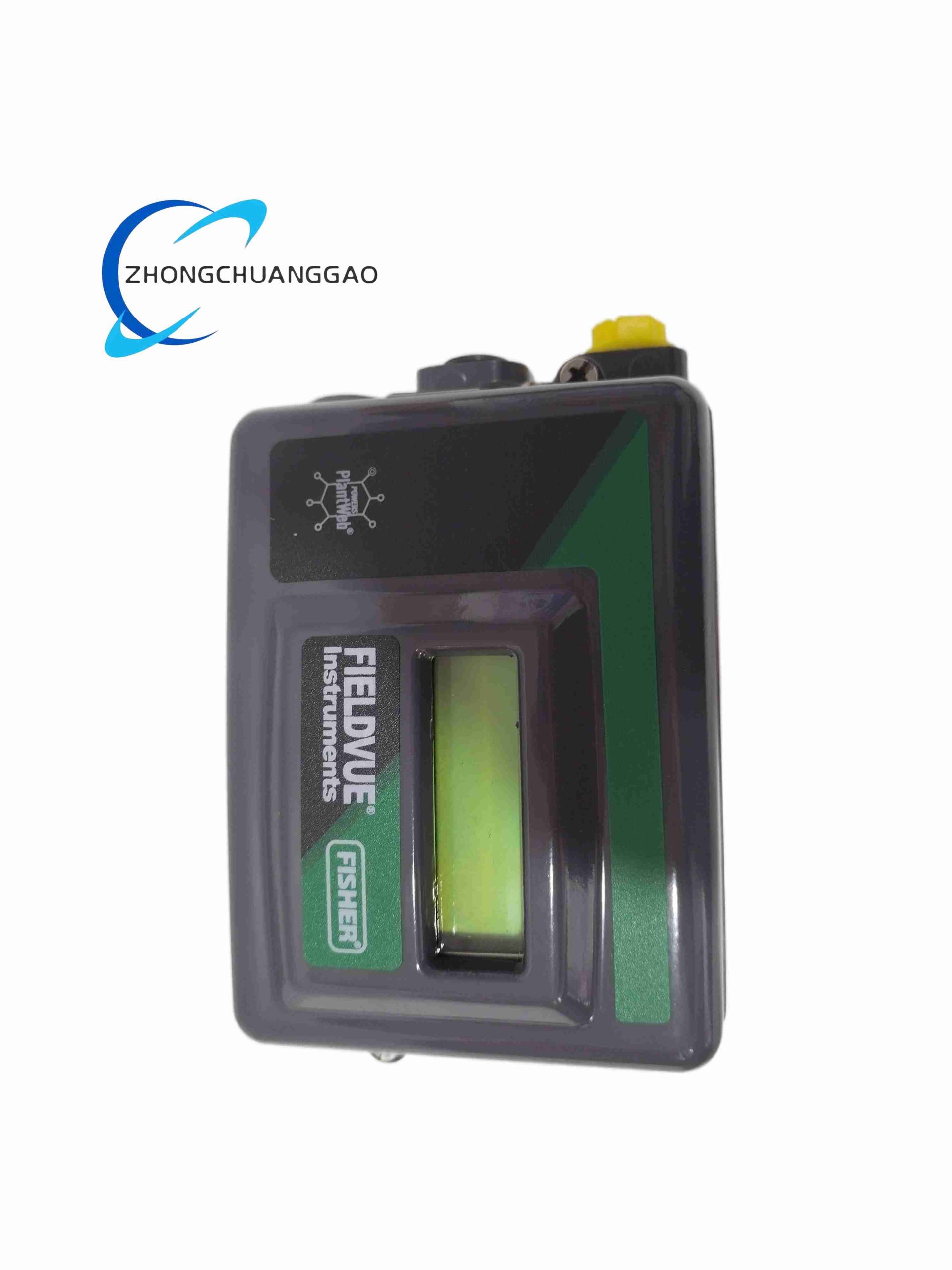
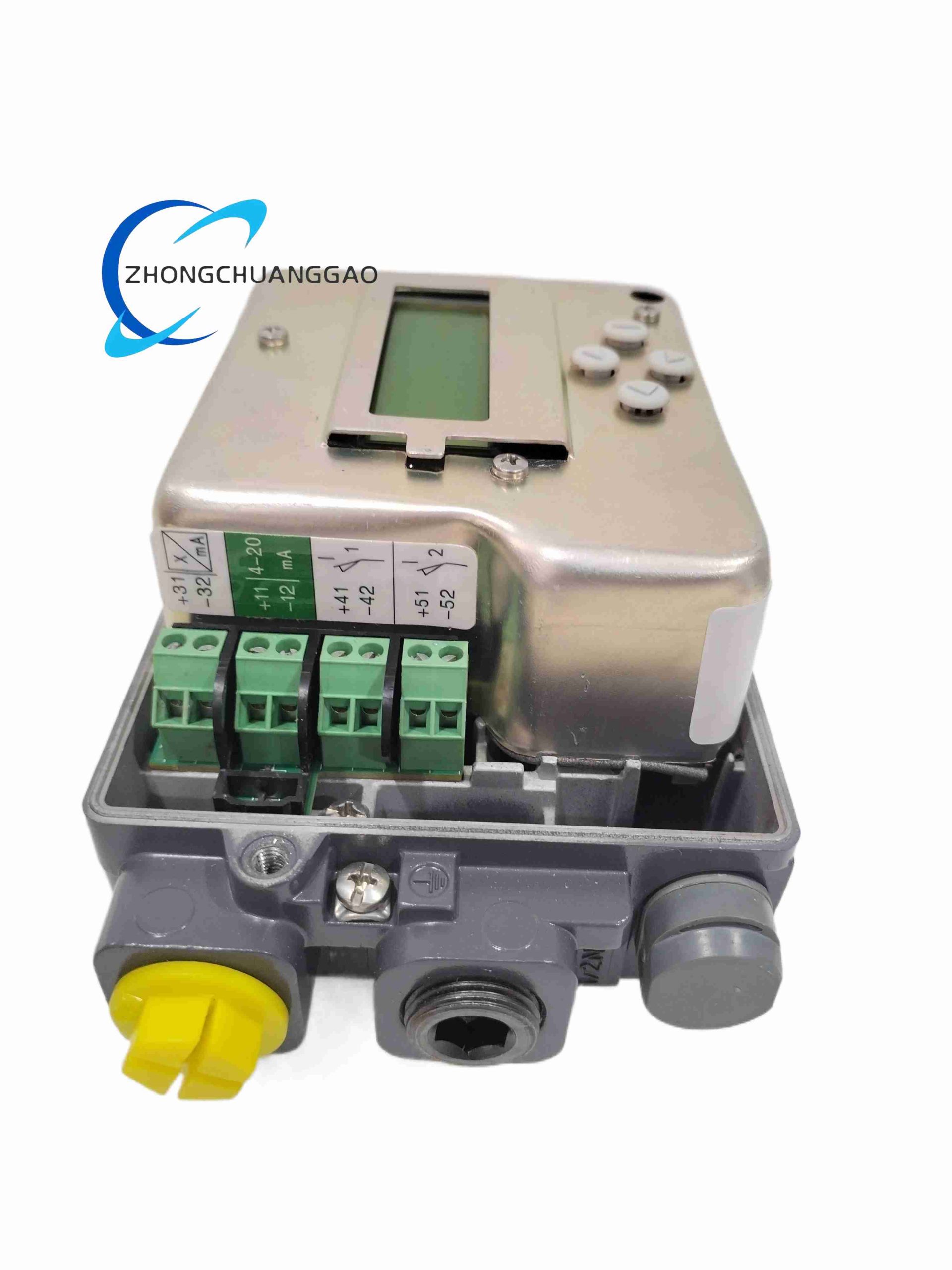
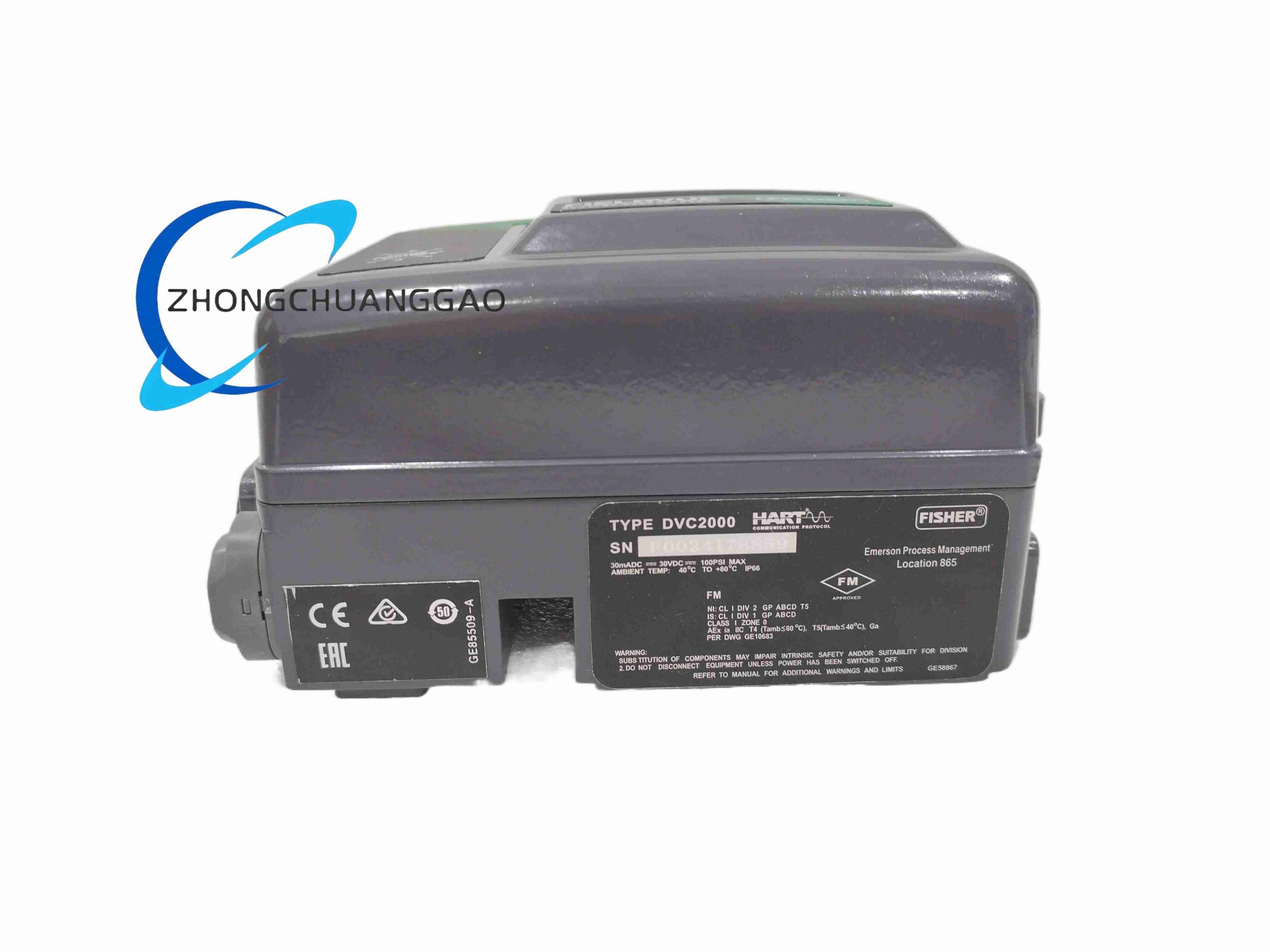
Two-stage pneumatic digital valve positioner designed for industrial pneumatic control actuators, integrates microprocessor control, HART digital communication and on-site LCD operation interface. Realizes closed-loop precise valve stroke adjustment, built-in full set of valve performance diagnostic functions, supports non-stop online valve health monitoring and predictive maintenance, widely matched with Fisher single-acting pneumatic linear/rotary actuators and third-party standard actuators complying with VDI/VDE 3845 standardEmerson.
Description
Technical Specifications
- Electrical Signal Parameters
- Standard Analog Input Signal: 4–20 mA DC (split-range configurable)
- Minimum Operating Loop Voltage: 8.5 V DC (local LCD operation); 9.0 V DC (HART communication)
- Maximum Input Terminal Voltage: 30 V DC
- Reverse Polarity Protection: Built-in, no hardware damage under reverse wiring
- Overcurrent Protection: Input circuit current limiting self-protection
- Communication Protocol: HART 5 / HART 7 digital superimposed communication
- Pneumatic Performance
- Supply Air Pressure Operating Range: 1.5–7 bar (22–101 psig)
- Minimum Control Span: 0.5 bar (7 psig)
- Maximum Control Span: 7 bar (101 psig)
- Air Consumption (Static): 0.06 Nm³/h @1.5 bar supply; 0.12 Nm³/h @4 bar supply
- Supported Actuator Travel: Linear stroke ≤50 mm (2 inch); 90° quarter-turn rotary actuator
- Single-acting standard output; double-acting operation requires external pneumatic reversing relay
- Environmental & Temperature
- Operating Temperature Range: -40°C to +80°C (-40°F to 176°F); LCD display unreadable below -20°C
- Storage Temperature: -50°C to +90°C
- Protection Enclosure Grade: IP66, NEMA 4X
- Mechanical Connection Standards
- Electrical Conduit Port: M20 internal thread / 1/2 NPT internal thread dual standard
- Pneumatic Air Port: G1/4 internal thread / 1/4 NPT internal thread dual standard
- Mounting Standard: IEC 60534-6-1, IEC 60534-6-2, VDI/VDE 3845, NAMUR
- Hazardous Area Certifications
- Intrinsically Safe: CSA, FM, ATEX, IECEx, NEPSI, INMETRO, CUTR, PED, KGS, ANZEx
- Classification: Class I Division 1 / Zone 0, Ex ia IIC T6
Material Composition
- Main Enclosure: Die-cast low copper aluminum alloy, electrostatic anti-corrosion coating
- Internal Pneumatic Valve Components: Stainless steel + engineering PTFE sealing spool
- Feedback Stroke Rod: 316L stainless steel
- LCD Window: Impact-resistant tempered polycarbonate
- Internal Circuit Board Base: FR4 high-temperature flame retardant PCB
- Pneumatic Sealing Rings: Viton fluororubber (standard); EPDM optional for neutral media
Structural Features
- Two-stage pneumatic amplification internal structure, high response sensitivity to tiny input signal changes
- Linkage-free non-contact stroke feedback sensor, eliminates mechanical linkage wear failure
- Integrated local operation panel: Multi-language LCD screen + four physical push buttons
- Optional integrated I/O expansion module with two independent limit switches + stem position transmitter
- 3-point fixed mounting interface for direct installation on Fisher GX, 657, 667 series actuators without extra brackets
- Internal integrated air flow channel on actuator yoke leg, eliminates external air tubing for air-to-open configuration
- Cage clamp type wiring terminals, tool-free fast cable connection
Working Principle
- Control system transmits 4–20 mA analog setpoint signal to positioner input terminal;
- Internal microprocessor collects real-time valve stroke feedback signal from non-contact displacement sensor;
- MCU compares setpoint stroke value with actual feedback stroke value, calculates deviation error;
- Two-stage pneumatic amplifier adjusts output air pressure to pneumatic actuator diaphragm/cylinder to push valve stem movement;
- Closed-loop real-time correction until actual stroke matches target setpoint;
- HART bus superimposes digital diagnostic data on 4–20 mA analog loop, realizes remote reading of valve friction, dead band, air leakage and actuator health status.
Function Features
- Real-time closed-loop stroke control with high repeatability and linearity
- Full set of online valve diagnostic functions supported by ValveLink PC software
- Local on-site calibration, parameter setting and stroke adjustment without external handheld communicator
- 7-language built-in LCD interface (English, Chinese, German, French, Italian, Spanish, Japanese)
- Split-range signal configuration for dual-valve cascade control loops
- Built-in anti-vibration filtering algorithm for stable operation on high-vibration pipeline equipment
- Over-temperature, over-pressure, short-circuit automatic fault alarm output
Performance Advantages
- Linkage-free feedback design reduces mechanical failure rate by 70% compared with traditional mechanical positioners;
- Two-stage pneumatic structure achieves ultra-fast response time ≤150 ms for small signal changes;
- Non-disruptive online diagnostic test without stopping production process;
- Compact overall size adapts to narrow installation space of small control valves;
- Full global explosion-proof certifications applicable to petroleum, chemical flammable hazardous working conditions;
- Low static air consumption reduces plant compressed air operation cost.
Applicable Industries
Petroleum refining, natural gas transmission, chemical processing, power plant thermal control, pharmaceutical production, food & beverage manufacturing, water treatment, pulp & paper, HVAC industrial process control.
Installation Requirements
- Mounting surface flatness meets VDI/VDE 3845 standard, mounting screw torque controlled at 8 N·m;
- Compressed air supply must be filtered to Class 3 clean air standard (particle ≤5 μm, dew point ≤-40°C);
- Electrical wiring must use shielded twisted pair cable, cable shielding single-end grounded at control cabinet side;
- Pneumatic tubing connection must use PTFE sealing tape, avoid excessive thread winding blocking air passage;
- Stroke feedback rod must maintain coaxial alignment with valve stem, maximum allowable offset ≤0.5 mm;
- For explosion-proof zone installation, strictly follow national hazardous area wiring specification for conduit sealing.
Usage Precautions
- Forbid supply air containing oil, water or solid particles, internal pneumatic spool will jam and lose control function;
- Do not disassemble sealed main enclosure in hazardous explosion-proof zones; disassembly voids explosion-proof certification;
- Electrostatic discharge protection wristband must be worn when opening electrical terminal cover; static electricity triggers random valve stroke fluctuation;
- LCD display function fails continuously below -20°C ambient temperature; heat insulation protective cover required for low-temperature outdoor installation;
- Do not exceed 30 V DC loop input voltage, overvoltage burns internal main control circuit board;
- Regularly execute ValveLink diagnostic test every 3 months to detect early actuator packing friction wear.
-500x500.jpg)
Reviews
There are no reviews yet.