
Product Short Description
Product Brief Introduction
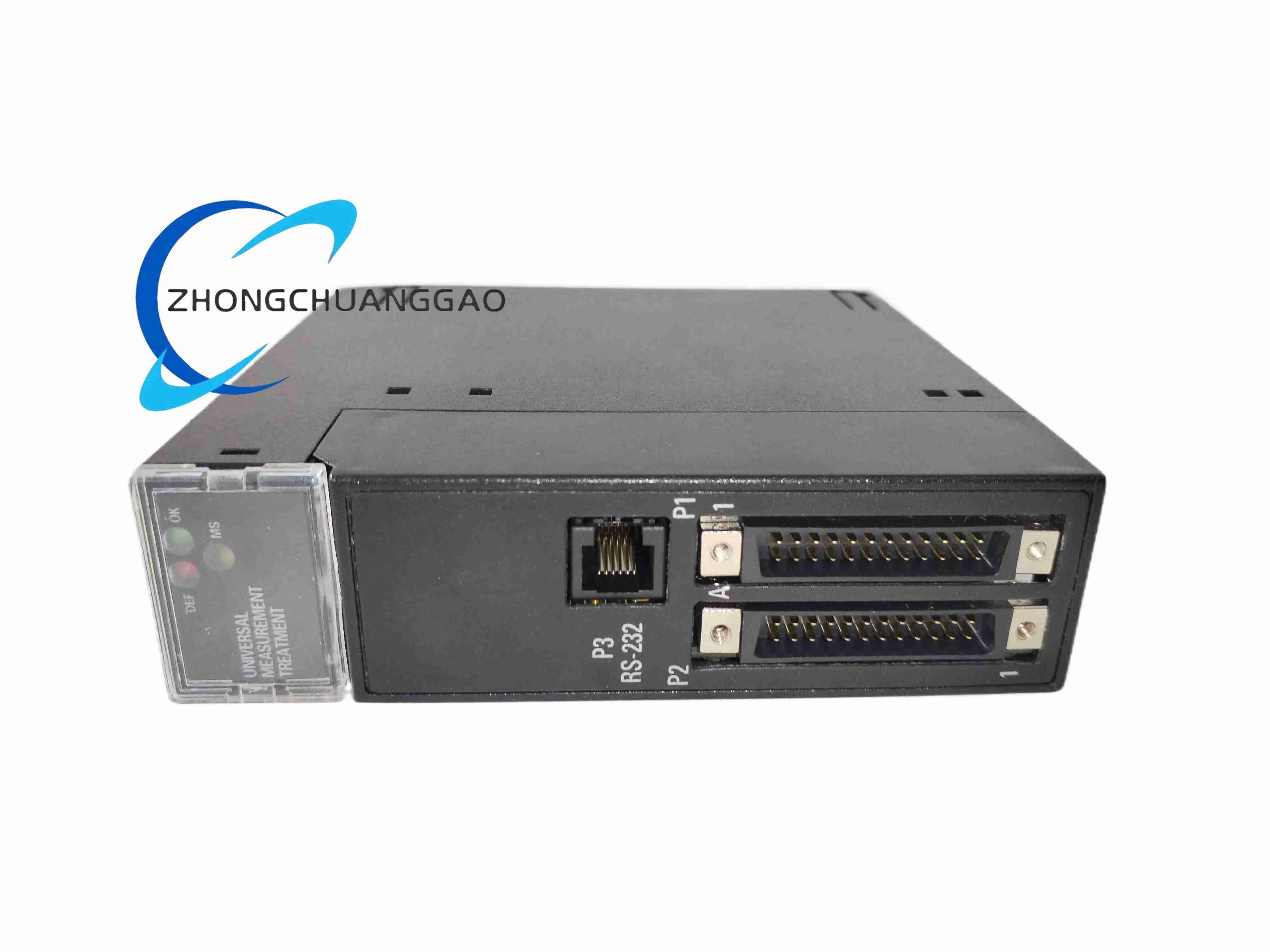
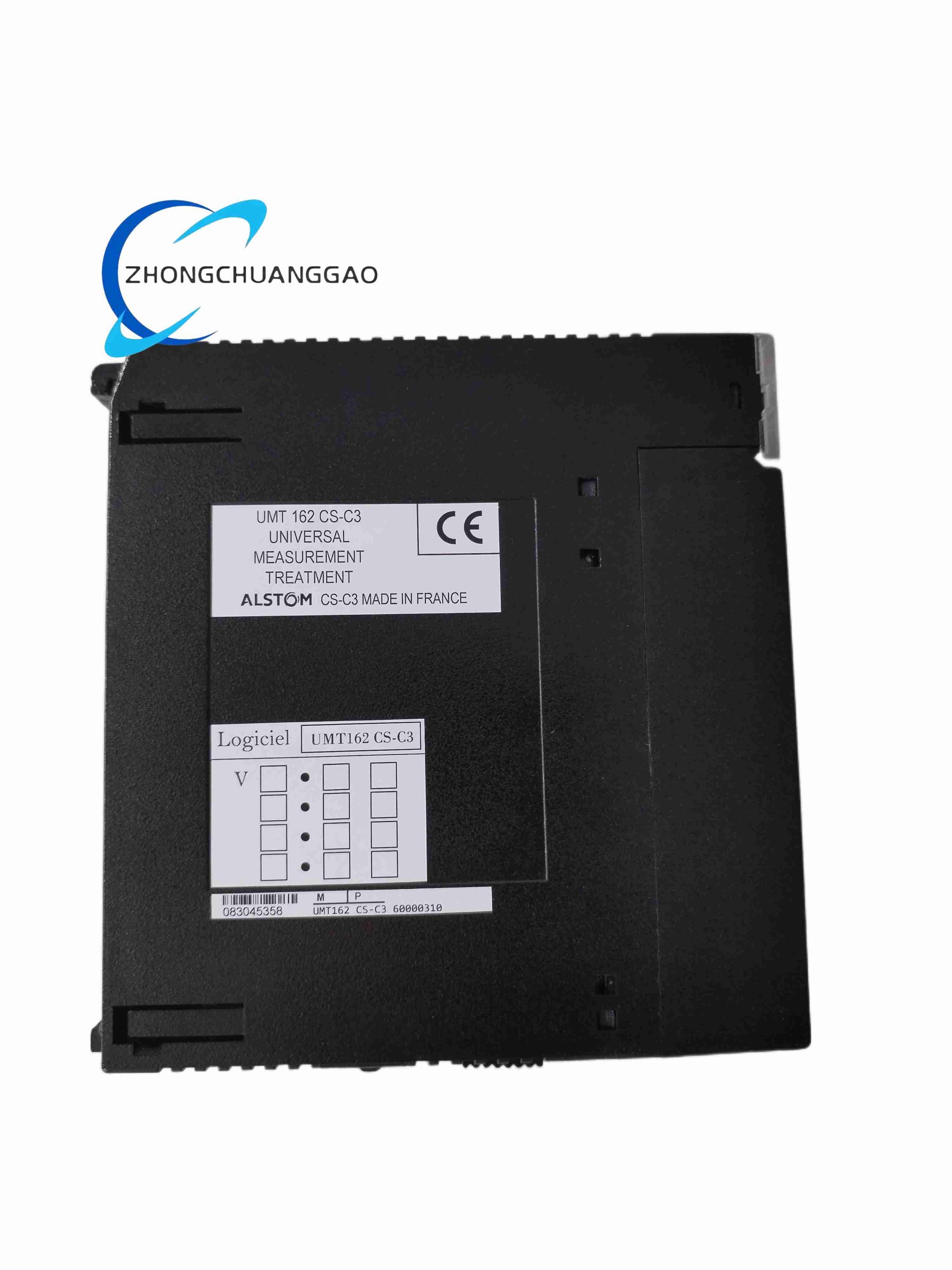
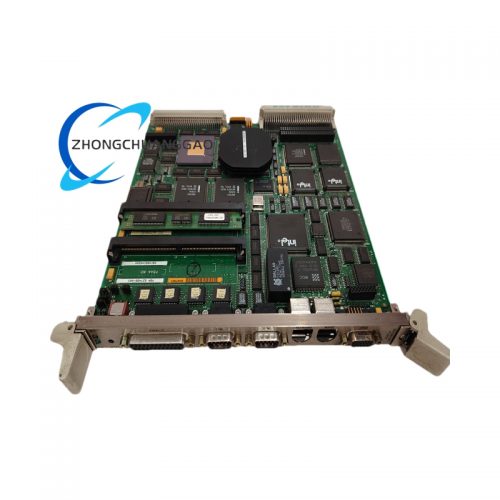
UMT162 CS-C3 is a rack-mounted multi-channel centralized vibration monitoring module designed by ALSTOM for large-scale rotating machinery cluster monitoring systems. The CS-C3 variant features extended fault logic and redundant power input, supporting simultaneous signal collection from up to 16 vibration sensors per unit. It processes all vibration data locally, stores historical trend logs and transmits digital measurement data via industrial fieldbus to central DCS supervisory systems, while driving hard-wired relay alarm outputs for safety interlock protection on critical equipment.
Description
Core Technical Performance Parameters
- Channel Capacity: 16 independent isolated vibration input channels
- Supported Sensor Types: Eddy current displacement probes, velocity transducers, piezoelectric accelerometers
- Digital Communication Interface: RS485 Modbus RTU, ALSTOM proprietary fieldbus dual communication ports
- Alarm Output Relays: 8 programmable SPDT potential-free relay contacts, 250VAC / 5A contact rating
- Data Storage: 128MB on-board flash memory for 12-month vibration trend historical log storage
- Power Supply: Dual redundant 24VDC input (primary + backup), automatic seamless power switching
- Channel Isolation: Each input channel 2500VDC galvanically isolated
- Operating Temperature Range: -10°C to +70°C
- Rack Standard: 19-inch standard rack 3U height module
- Dimensions: 440mm width × 130mm height × 220mm depth
- Net Weight: 4.8 kg
- Certifications: CE, ATEX Zone 2, IEC 61508 SIL 2 functional safety compliance
Function Features
- 16-channel parallel synchronous signal sampling without channel data delay mismatch
- Dual redundant power input eliminates single power supply point of failure
- Independent configurable high/low vibration alarm thresholds and time delay filtering per channel to suppress transient false alarms
- On-board real-time FFT spectrum analysis for early detection of bearing wear, rotor imbalance and gear mesh faults
- Built-in fault self-diagnosis covering sensor breakage, short circuit, power loss and internal circuit failure
- Dual communication ports support redundant data transmission to central control system
- Non-volatile flash memory retains all configuration parameters and historical vibration data after full power loss
Working Principle
16 channels of raw vibration sensor signals enter independent isolated conditioning circuits on the backplane of UMT162 CS-C3. High-speed ADC chips synchronously sample all analog signals, which are then processed by the on-board 32-bit industrial microprocessor to calculate RMS velocity, peak-to-peak displacement and acceleration crest factor values. Embedded FFT algorithm modules decompose vibration waveforms into frequency spectrum data for mechanical fault diagnosis. Measurement results and spectrum data are cached in flash memory and transmitted to upper-level DCS via Modbus RTU fieldbus. When vibration readings exceed user-configured threshold values, corresponding relay contacts actuate to trigger equipment trip interlock or audible/visual alarm systems. Dual power input circuits continuously monitor primary supply; upon primary power failure, the backup power circuit takes over operation within 10ms without data loss.
Material Composition & Structural Characteristics
- Rack Chassis: Cold-rolled steel sheet frame with electrostatic anti-corrosion black paint coating
- Front Panel: Anodized aluminum alloy with LCD status display, channel fault LED indicators and physical calibration buttons
- Backplane PCB: Multi-layer heavy copper FR4 board with conformal moisture-proof coating
- Internal Processing Board: Industrial-grade multi-layer PCB with gold-plated signal traces
- Connectors: Rear-mounted heavy-duty screw terminal blocks for sensor wiring, circular aviation connectors for fieldbus communication
- Cooling Structure: Natural convection ventilation grille design on top and bottom chassis panels; optional plug-in cooling fan for high-temperature cabinet environments
Installation Requirements
- Install in standard 19-inch industrial control rack with minimum 2U vertical empty space above and below for airflow
- Run all field sensor cables as shielded twisted pairs; separate signal wiring from 380V high-power motor cables by ≥40cm
- Connect dual redundant 24VDC power supply from two independent power distribution circuits to eliminate single power source failure
- Chassis protective earth wire cross-section ≥2.5mm², connected to cabinet unified grounding busbar
- All rear terminal block wiring torque controlled at 1.2–1.5 N·m to resist long-term vibration loosening
Application Scenarios
- Large combined-cycle power plant turbine/generator cluster centralized monitoring
- Refinery multi-unit centrifugal compressor safety supervision system
- Mining plant large primary fan and mill rotating equipment group monitoring
- Marine power generation vessel turbo-generator vibration protection
- Paper mill high-speed dryer roll and pump fleet condition monitoring
Operation & Maintenance Precautions
- Avoid installation in environments with high oil vapor, corrosive sulfur gas or continuous condensation
- Execute quarterly channel function self-test via front panel calibration menu to verify sensor circuit integrity
- Do not open chassis housing during powered operation; internal high-voltage circuits present electric shock hazard
- Clear ventilation grille dust accumulation every 6 months to prevent overheating-induced measurement drift
- When replacing internal processing boards, power off both redundant power inputs first and wear certified ESD anti-static wrist strap
Reviews
There are no reviews yet.