
Product Short Description
Product Introduction
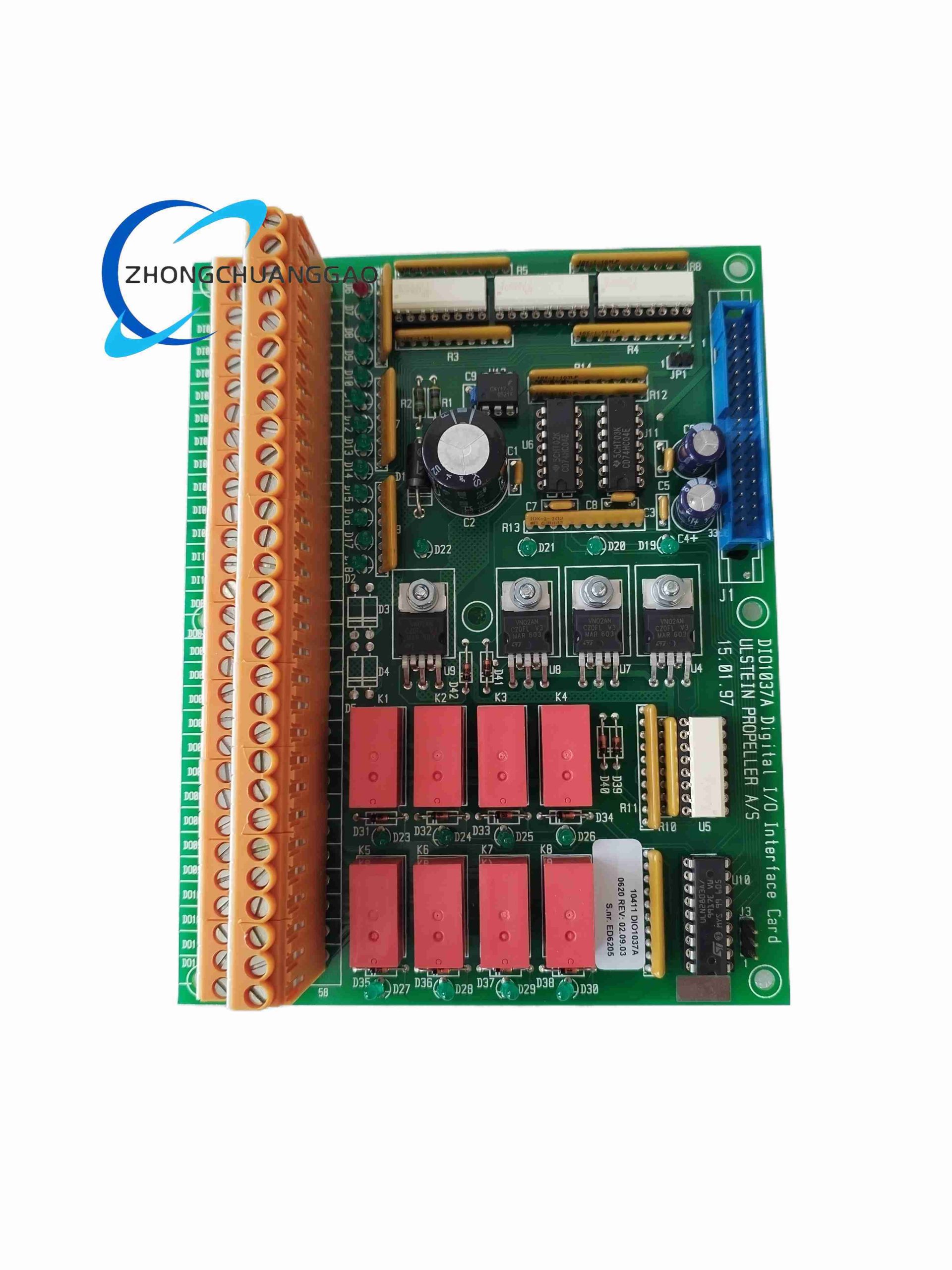
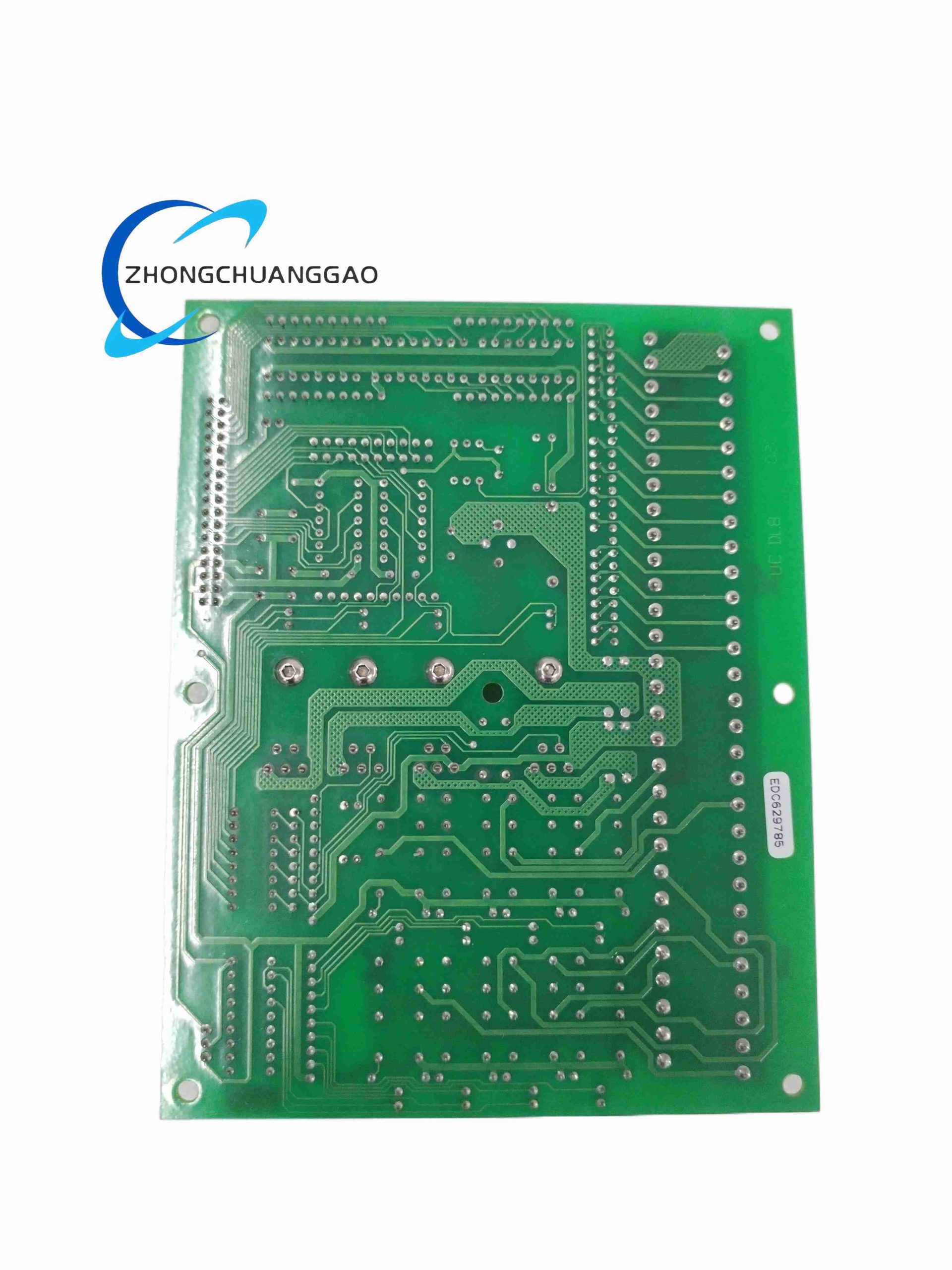
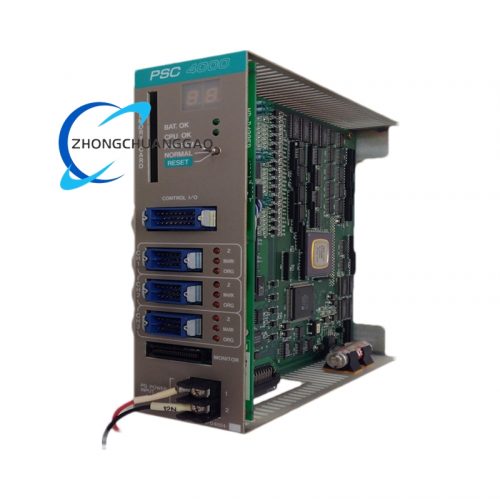
Marine type-approved dedicated digital I/O control module exclusively designed for Ulstein vessel azimuth thruster and controllable pitch propeller propulsion system, processing thruster hydraulic valve logic, position feedback and interlock safety signals on board commercial and offshore vessels.
Description
Technical Specifications
- Channel Configuration: 16 isolated digital input channels, 12 transistor digital output channels
- DI Input Standard: 24 VDC marine dry contact signal, opto-isolated 2500 VDC per channel
- DO Output Rating: 24 VDC sinking transistor output, 0.5 A maximum single channel load
- Marine Communication Bus: Isolated RS485 Modbus RTU for propulsion control network
- Power Supply Input: 24 VDC marine shipboard power, 16 VDC ~ 32 VDC continuous operating range
- Marine Operating Temperature: -15 °C ~ +65 °C engine room environment
- Vibration Standard: IEC 60068-2-6 Class 3 marine heavy vibration certification
- Enclosure Protection Grade: IP32 against engine room dust and light water splash
Functional Features
- Collect propeller pitch position limit switch, thruster azimuth angle limit safety signals
- Drive hydraulic proportional valve solenoid coils for propeller pitch adjustment logic
- Hardware safety interlock circuit for emergency stop and propulsion overload protection
- Real-time transmission of all thruster I/O status to bridge propulsion control console via Modbus
- Built-in channel open-circuit and short-circuit self-diagnosis with fault code output
- Non-volatile memory stores propulsion system fault event logs for maintenance analysis
Performance Parameters
- Digital input signal sampling frequency: 20 Hz synchronous per channel
- Digital output switching response time: ≤ 1 ms solenoid drive signal output
- Fault log storage capacity: 800 timestamped propulsion system fault records
- Module full-load power consumption: 8.7 W continuous operation
- Channel isolation withstand voltage: 2500 VDC between field circuit and control logic circuit
Material Composition
- Main enclosure: Marine aluminum alloy die casting with salt fog resistant passivation film
- Circuit board: Conformal coated FR4 PCB anti-salt mist, anti-humidity marine grade coating
- Wiring terminals: Tin-plated brass marine heavy-duty screw terminals resistant to corrosion
- Drive output components: Industrial power MOSFET transistors with overcurrent self-protection
Structural Characteristics
- Vertical wall mounting enclosure with four stainless steel anti-corrosion fixing brackets
- Front panel layout: DI/DO channel LED fault indicators, Modbus communication status lamp, module power indicator
- Rear compartment integrated sealed cable glands for engine room multi-core signal cable entry
- Internal partition separates high-current solenoid drive circuit and low voltage input signal circuit
Working Principle
Safety limit switch feedback signals from thruster mechanical components enter isolated digital input channels, internal marine-grade MCU processes interlock and pitch control logic, transistor digital output channels drive hydraulic valve solenoids to adjust propeller blade angle and thruster azimuth direction. All channel status and fault data are encapsulated into Modbus RTU frames and transmitted to vessel bridge main propulsion controller through isolated RS485 marine bus.
Advantage Highlights
- Full marine classification society type approval for engine room heavy vibration installation
- Conformal coated circuit board withstands continuous engine room salt fog and high humidity
- Integrated hardware emergency stop interlock logic independent of upper control system power
- Dedicated matched hardware for Ulstein azimuth thruster and CPP propulsion systems with native protocol compatibility
- Wide marine power voltage tolerance adapts to vessel generator load fluctuation
Applicable Industries
Offshore wind service vessels, platform supply vessels, yacht azimuth propulsion systems, coastal cargo ships equipped with Ulstein controllable pitch propellers
Installation Requirements
- Mount module inside ventilated thruster control cabinet, avoid direct contact with hot hydraulic piping
- Separate solenoid drive output cables from bridge communication signal cables with dedicated wiring duct
- Connect module earth terminal to vessel engine room protective earth copper bar
- Use marine shielded twisted cable for Modbus RS485 propulsion network wiring
Operation Precautions
- Do not install module below hydraulic oil piping prone to oil leakage contamination
- Disconnect 24 VDC power before detaching any thruster sensor or solenoid wiring terminals
- Perform full channel self-diagnosis test after overhauling thruster mechanical limit switches
- Limit single digital output channel load current below rated 0.5 A to prevent MOSFET burnout
- Clean dust and oil residue from enclosure interior every six months during vessel dry dock maintenance
Reviews
There are no reviews yet.