
Product Short Description
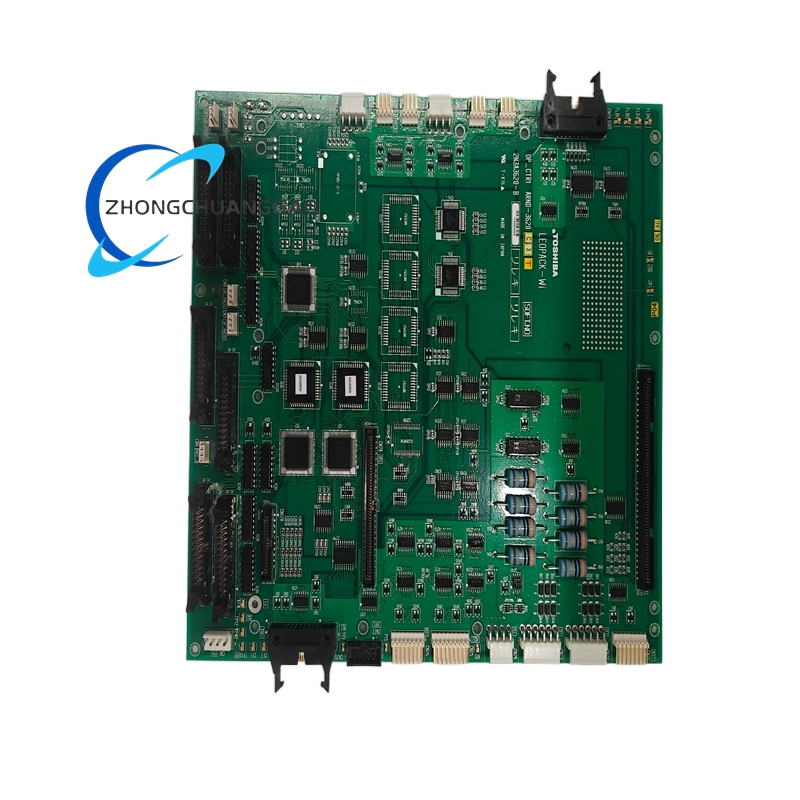
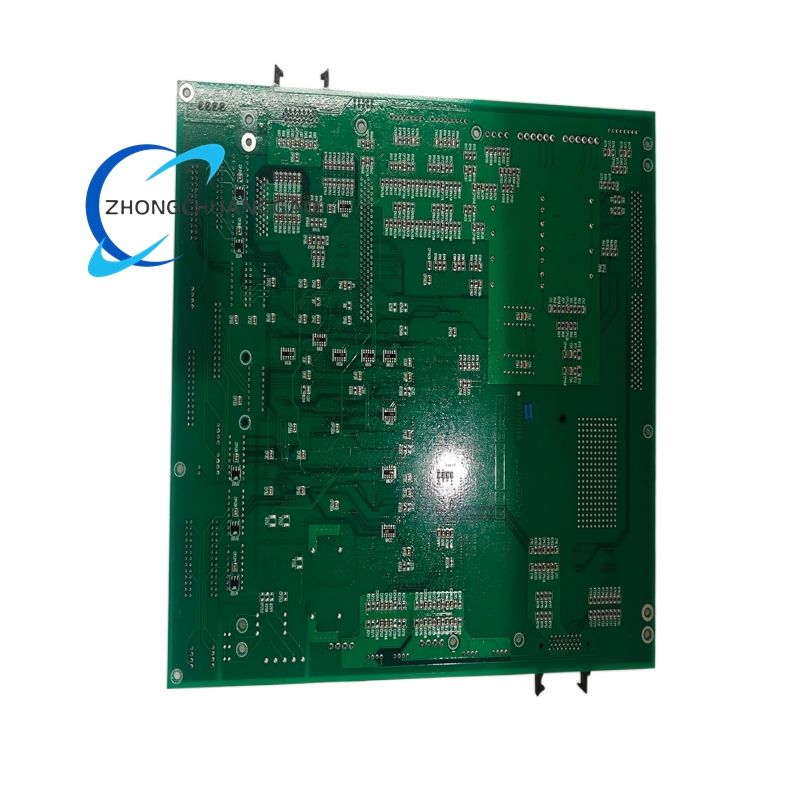
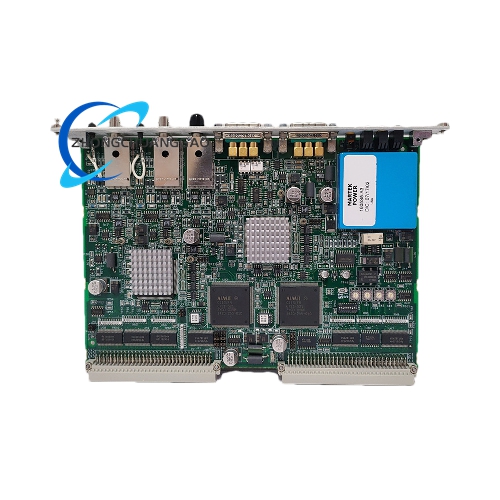
Product Name: TMEICA ARND-3620 — Static Excitation Controller / Thyristor Bridge Controller
Product Overview: The TMEICA ARND-3620 is a static excitation controller designed for generators equipped with slip rings and brushes (static excitation system as opposed to brushless). It controls a thyristor bridge that supplies DC current to the generator field winding through slip rings.
Description
Technical Specifications:
- Model: ARND-3620
- Type: Static Excitation Controller — Thyristor Bridge Controller
- Application: Slip-ring (static) excitation for synchronous generators
- Input Signals: Generator PT voltage, generator CT current, field current (shunt), field voltage, frequency, start/stop
- Output: Firing pulses for 6-pulse or 12-pulse thyristor bridge
- Voltage Regulation Accuracy: ±0.5% (steady state)
- Response Time: < 30 ms
- Field Current Range: 0–6000 A (external thyristor bridge rating determines max — controller itself handles up to 2000 A field via 6-pulse)
- Firing Angle Range: 0°–150° (limited vs. brushless due to field time constant)
- Communication: RS-485 Modbus RTU, optional Ethernet
- Power Supply: 110/220 VAC, 50/60 Hz, or 24 VDC
- Operating Temperature: -10°C to +50°C
- Dimensions: 1/4 DIN or panel-mount
- Weight: Approximately 2.0 kg
- Compliance: IEC 60034, IEEE 421.5
Functional Features:
- Field current feedback control (closes the loop on actual field current, not just terminal voltage)
- Field flash protection: detects loss of field and initiates emergency flash from auxiliary source
- Overvoltage protection:crowbar circuit coordination
- Underexcitation limiter (UEL) with adaptive settings
- Stator current limiter (SCL)
- Soft starter function for controlled field buildup
- Field discharge resistor control
Structural Characteristics:
- Enclosure: Metal panel-mount or DIN-rail, IP20
- Terminals: Screw terminals for all I/O, shunt input for field current (mV range)
- PCB: 4-layer, conformal coated
- Display: 4-digit LED for setpoint and actual field current
Working Principle: The ARND-3620 regulates the generator terminal voltage by controlling the DC field current. It measures terminal voltage (PT) and compares it to the setpoint. The error is processed by a PI controller. The controller output sets the firing angle of the thyristor bridge. The thyristor bridge rectifies AC power and delivers controlled DC current to the field winding via slip rings. A field current shunt (mV signal) provides closed-loop feedback on actual field current, ensuring accurate regulation even with varying field resistance (temperature-dependent). The field flash function uses a separate auxiliary thyristor bridge to rapidly discharge the field winding in case of excitation failure, preventing loss of synchronism.
Advantages:
- Field current feedback provides superior regulation accuracy compared to open-loop brushless systems
- Compatible with existing slip-ring generators — no need to convert to brushless
- Built-in field flash eliminates need for separate flash protection relay
- Proven technology in hydro generators with slip rings worldwide
Applicable Industries: Hydroelectric generators (large Francis/Kaplan turbines with slip rings), thermal generators with static excitation, industrial synchronous motors, synchronous condensers
Installation Requirements:
- Field current shunt: installed on field circuit, rated for max field current, mV output (typically 75 mV or 50 mV full scale)
- PT and CT: same as brushless systems
- Firing pulse cables to thyristor bridge: shielded, max 50 m
- Crowbar circuit: must be coordinated with ARND-3620 protection settings — contact TMEIC for coordination study
- Ground: < 1 Ohm
Usage Precautions:
- Field flash coordination is critical — incorrect crowbar settings can destroy the thyristor bridge
- Verify field current shunt polarity before energizing — reverse polarity causes uncontrolled field current
- Slip ring maintenance schedule must be followed — carbon dust can cause field ground faults
- Do not exceed 150° firing angle — this is the maximum for safe commutation in static excitation
- Annual calibration of field current shunt required (drift affects regulation accuracy)
Reviews
There are no reviews yet.