
Product Short Description
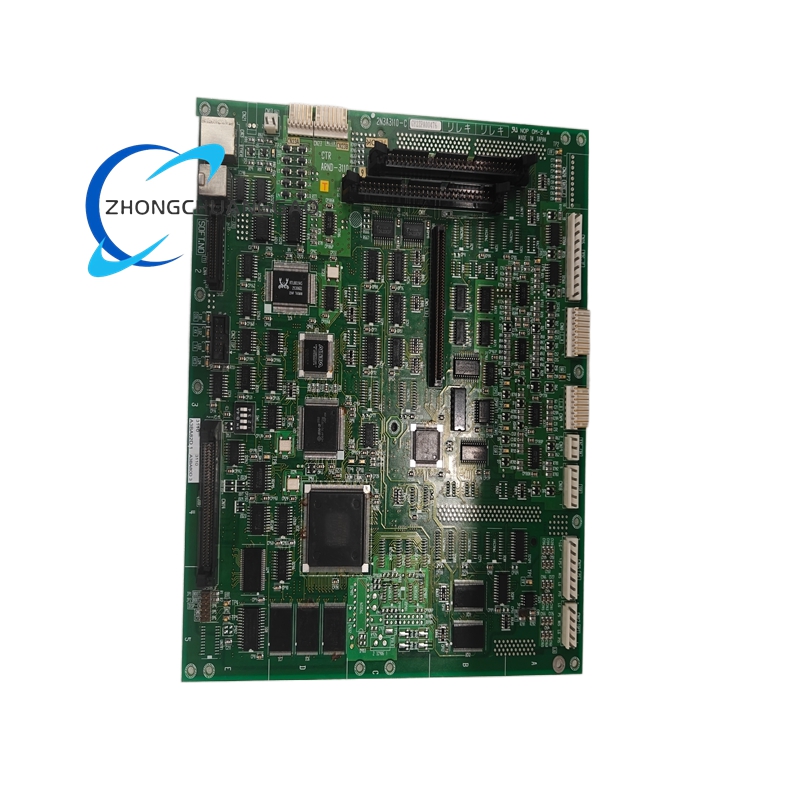
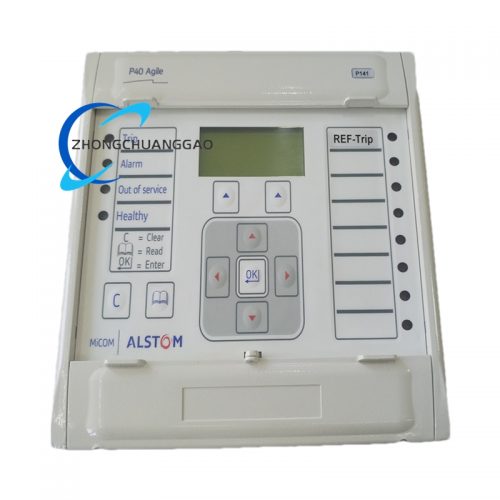
Product Name: TMEICA ARND-3110 — AC Excitation Controller / Automatic Voltage Regulator Module
Product Overview: The TMEICA ARND-3110 is a digital automatic voltage regulator (AVR) excitation controller manufactured by TMEIC (Toshiba Mitsubishi-Electric Industrial Systems Corporation, now part of TMEIC/Toshiba). It is designed for brushless excitation systems on synchronous generators.
Description
Technical Specifications:
- Model: ARND-3110
- Type: Digital AVR — Automatic Voltage Regulator
- Application: Brushless excitation system for synchronous generators
- Input Signals: Generator voltage (PT), generator current (CT), system frequency, start/stop commands
- Output: Firing pulses for rotating rectifier (SCR or thyristor bridge)
- Voltage Regulation Range: ±5% of nominal (adjustable)
- Voltage Regulation Accuracy: ±0.5% (steady state)
- Response Time: < 20 ms (voltage dip response)
- Firing Angle Range: 0°–180°
- Pulse Output: 6-pulse or 12-pulse configurable
- Power Supply: 110/220 VAC or 24 VDC (internal)
- Communication: RS-485, Modbus RTU, optional Ethernet
- Operating Temperature: -10°C to +50°C
- Dimensions: Standard 1/4 DIN or panel-mount enclosure (varies by variant)
- Weight: Approximately 1.5 kg
- Compliance: IEC 60034, IEEE 421.5
Functional Features:
- Digital PID control algorithm with adaptive gain scheduling
- Soft starter function for controlled voltage buildup
- Under-voltage and over-voltage protection with adjustable thresholds
- Overexcitation limiter (OEL) and underexcitation limiter (UEL)
- Stator current limiter (SCL)
- Power system stabilizer (PSS) input for damping oscillation
- LED indicators: Run, Fault, Firing
Structural Characteristics:
- Enclosure: Metal DIN-rail or panel-mount, IP20
- Terminals: Screw terminals for all I/O, 2.5 mm² max wire
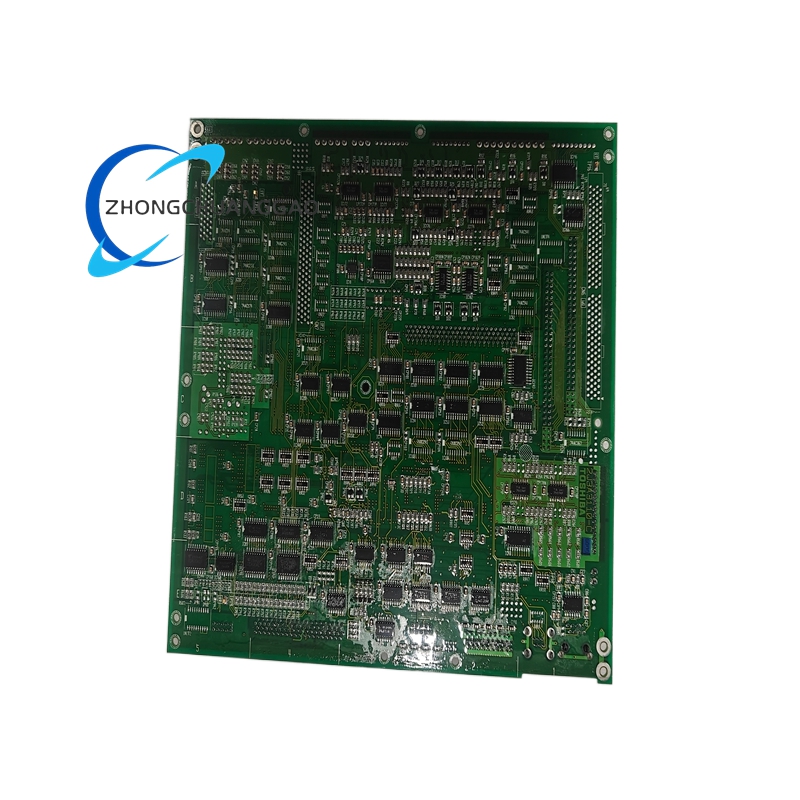
- PCB: 4-layer, conformally coated
- Display: 4-digit LED for voltage setpoint and actual voltage
Working Principle: The ARND-3110 samples the generator terminal voltage via a potential transformer (PT) and compares it to the user-set reference voltage. The error signal is processed by a digital PID controller. The controller output determines the firing angle of the SCR bridge that supplies the rotating rectifier on the generator shaft. The rotating rectifier converts AC to DC to energize the main generator field winding. The AVR continuously adjusts the firing angle to maintain terminal voltage at the setpoint despite load changes.
Advantages:
- Fully digital — no drift, no potentiometer adjustment needed
- Integrated protection functions eliminate need for separate relays
- PSS input improves power system stability
- Proven in hydro, thermal, and gas turbine generators
Applicable Industries: Power generation (hydroelectric, thermal, gas turbine), industrial cogeneration, marine propulsion
Installation Requirements:
- Mount in control panel with adequate ventilation
- PT input: rated for generator voltage (typically 110 VAC or 110/√3 VAC)
- CT input: rated 5 A secondary
- Firing pulse cables: shielded, maximum 50 m from AVR to SCR bridge
- Earth ground: < 1 Ohm to plant ground
Usage Precautions:
- Never adjust potentiometers with power on — use front panel buttons/display
- Verify PT and CT polarity before energizing — reverse polarity causes instability
- Firing pulse cables must be shielded and routed away from power cables
- Annual calibration check recommended
Reviews
There are no reviews yet.