
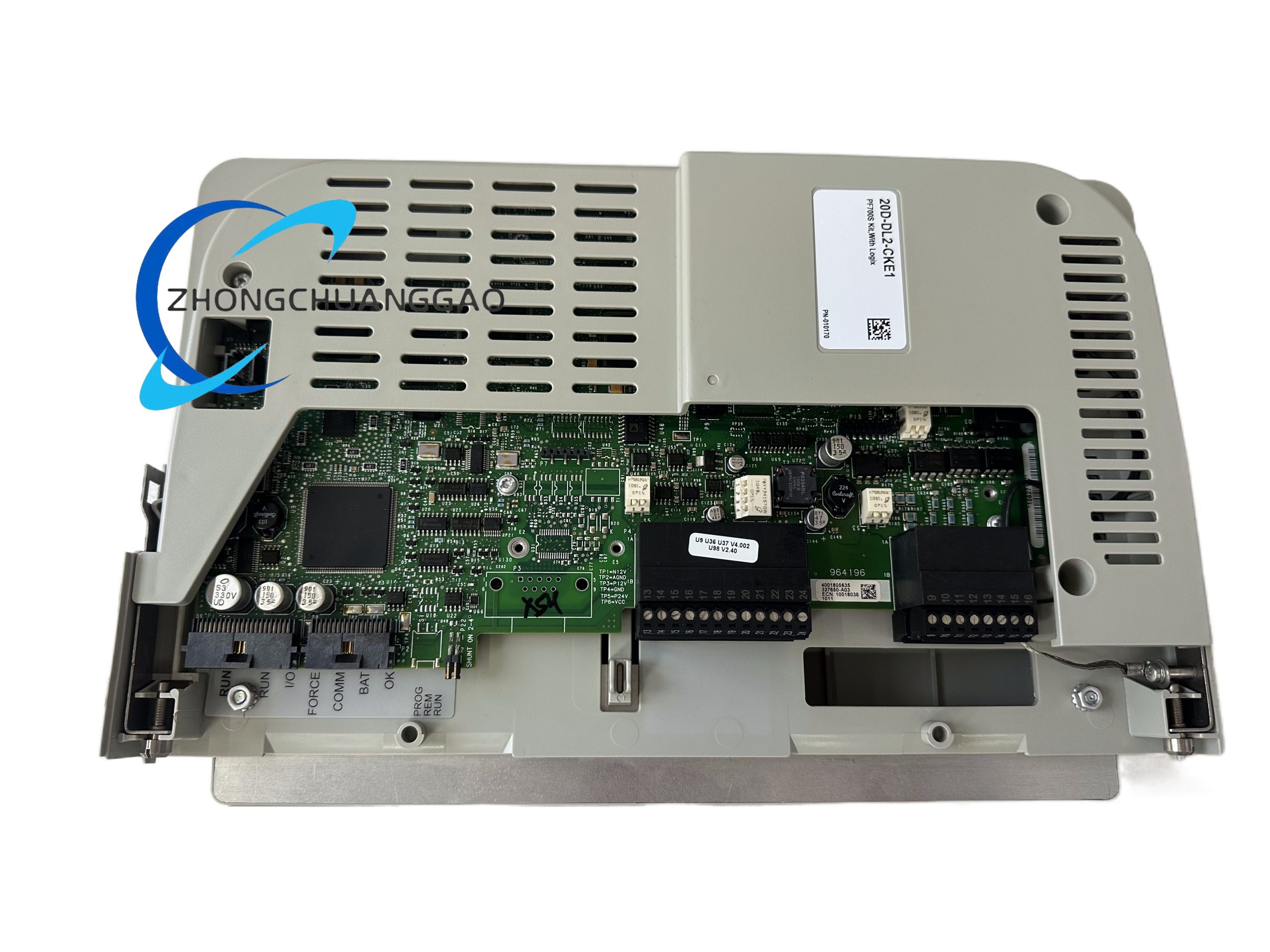
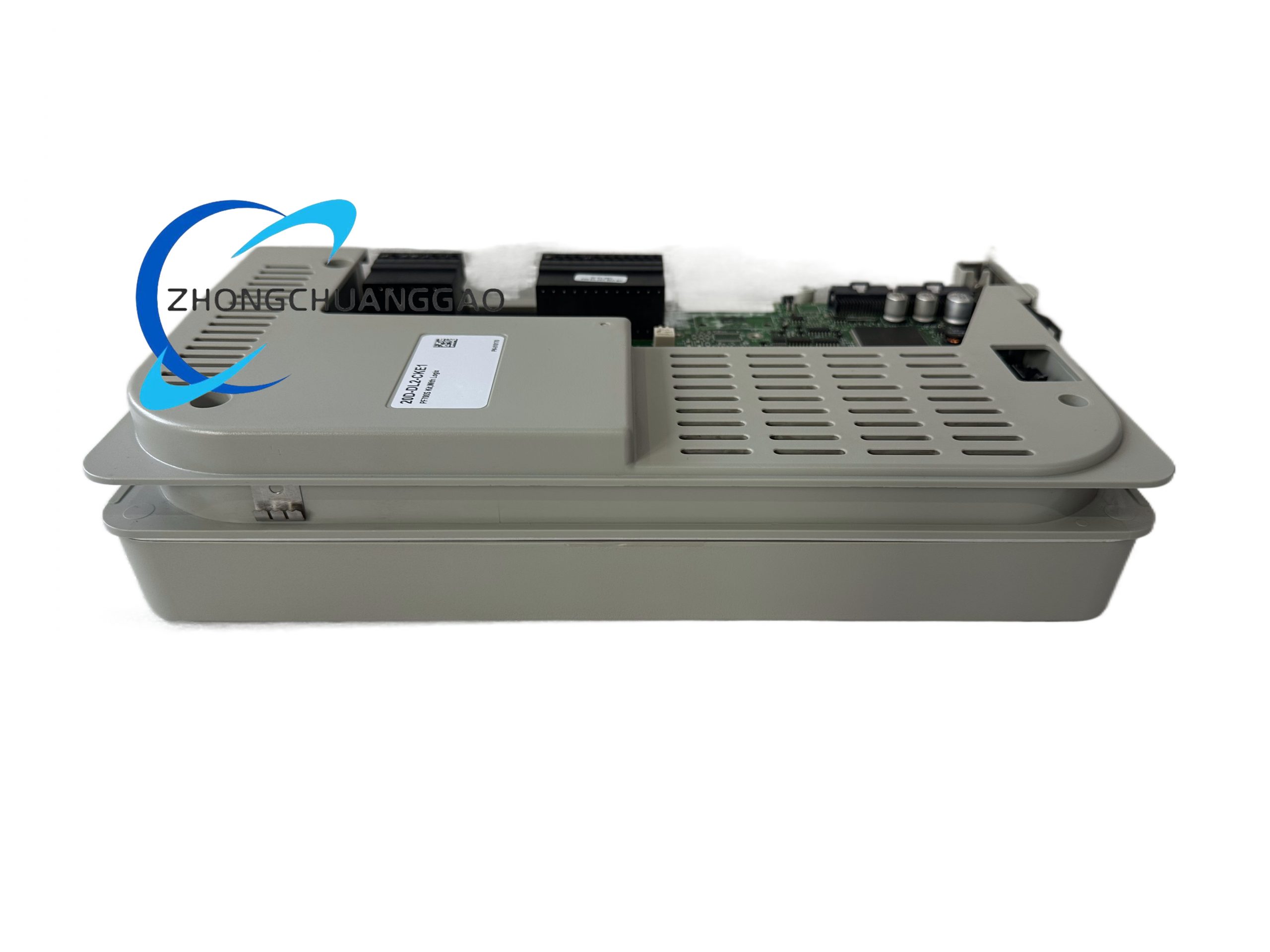
Description
Technical Specifications
- Rated Operating Voltage: 24 V DC
- Operating Temperature Range: -10 °C ~ +60 °C
- Storage Temperature Range: -25 °C ~ +70 °C
- Protection Class: IP20
- Signal Type: Digital Logic Signal
- Dimension (L×W×H): 120 mm × 45 mm × 30 mm
- Weight: 0.18 kg
Structural Features
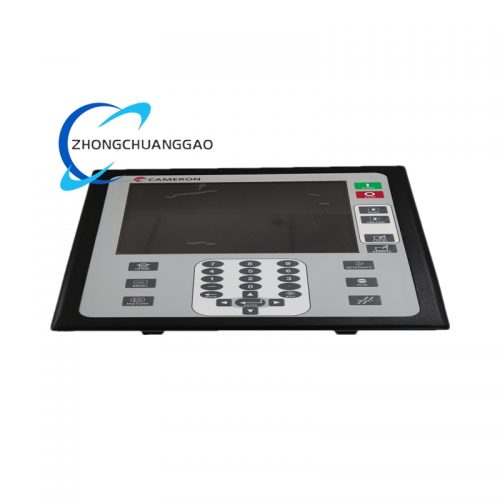
Integrated compact modular structure, standard DIN rail mounting base, terminal block type wiring interface, integrated circuit board with reinforced anti-vibration coating, metal shielding shell for internal circuit.
Functional Characteristics
Responsible for digital signal transmission, signal conversion and logic control between main drive unit and peripheral equipment; supports bidirectional signal input and output, real-time signal feedback.
Working Principle
Collect digital switching signals from field equipment, convert signals to standard logic level and transmit to the main controller; receive control commands from the main controller and output corresponding switching signals to drive on-site actuators.
Material Composition
Main body: Engineering flame-retardant ABS plastic; Internal circuit: FR-4 high-temperature resistant PCB, industrial-grade semiconductor chips, copper wiring terminals; Shell: Cold-rolled steel sheet with anti-rust coating.
Advantages & Highlights
High signal transmission stability, strong anti-electromagnetic interference capability, fast signal response speed, long service life, plug-and-play design for easy replacement, compatible with full range of 20D series drives.
Applicable Industries
Industrial automation, manufacturing machinery, packaging equipment, conveyor systems, textile machinery, metallurgical automation.
Installation Requirements
- Install on standard 35 mm DIN rail vertically.
- Keep 20 mm ventilation gap around the module for heat dissipation.
- Wiring strictly follows terminal definition, avoid reversed polarity connection.
- Install in dry indoor control cabinet, away from heat sources and strong electromagnetic field equipment.
Usage Notes
- Do not operate under overvoltage or undervoltage conditions.
- Cut off power supply before disassembly, assembly and wiring.
- Avoid mechanical impact, extrusion and dust accumulation on the surface.
- Regularly check terminal tightness to prevent poor contact.
Reviews
There are no reviews yet.